Why do so many home improvement projects turn into a second job?
What starts as a simple fix often spirals into budget creep, missed weekends, and a lingering sense of regret. Part of the problem is the assumption that improvement means overhaul, which is why working with a trusted professional like am general contractor can help keep projects realistic and manageable. The push to renovate like a reality show crew fuels the idea that if you’re not gutting something, you’re falling behind. In this blog, we will share how to improve your home without overcomplicating the process.
Don’t Romanticize DIY
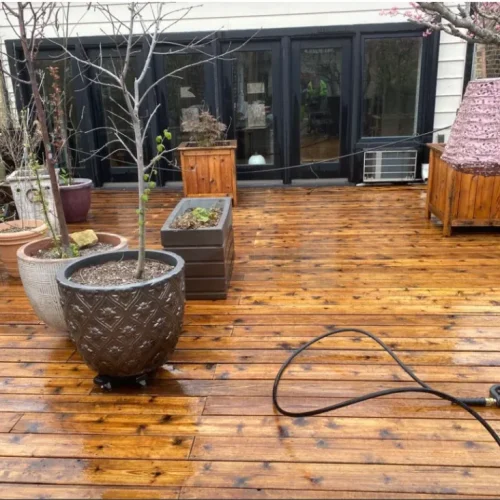
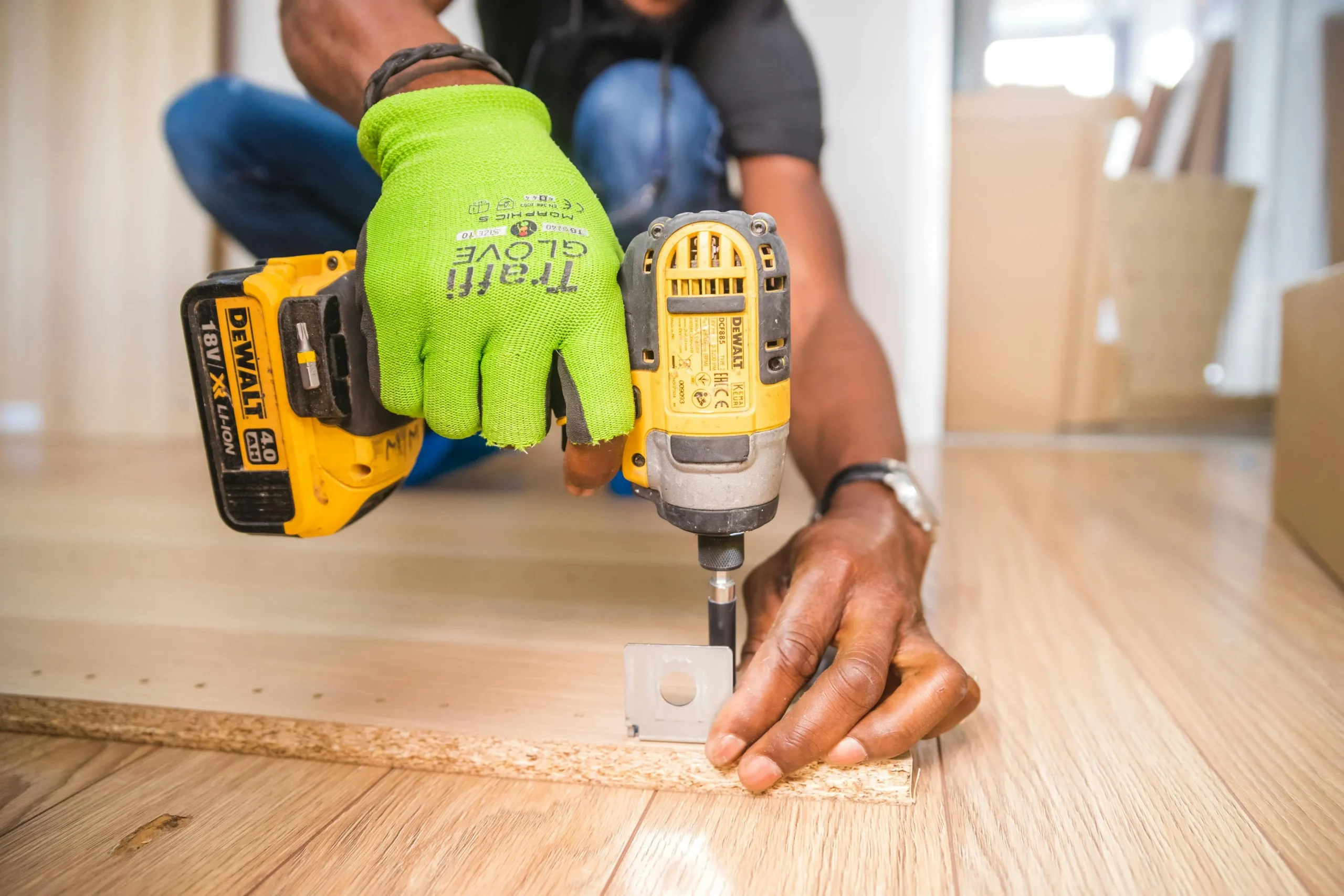
The internet made it easy to think you can handle anything with a YouTube tutorial and some borrowed tools. But the lie behind every perfect DIY video is the part they skip — the cost of failed attempts. Sure, you can build your own patio, but you’ll spend three weekends figuring out how to fix the slope because you didn’t measure drainage. And you’ll be sore. Not metaphorically sore, either. Knees, back, hands — all ruined for days.
Doing it yourself is only worth it if you’ve got time, patience, and a buffer for the unexpected. If that buffer doesn’t exist, hiring a pro is not selling out. It’s called knowing your limits. This doesn’t mean outsourcing everything. It just means picking your battles. Replace cabinet handles? Go for it. Wire up recessed lighting with no experience? Bad idea.
Start Small, Stay Smart
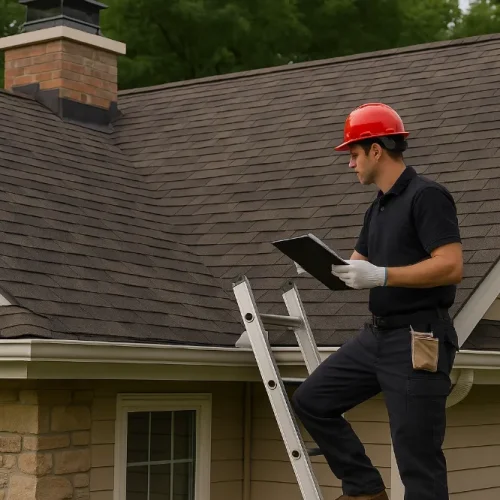
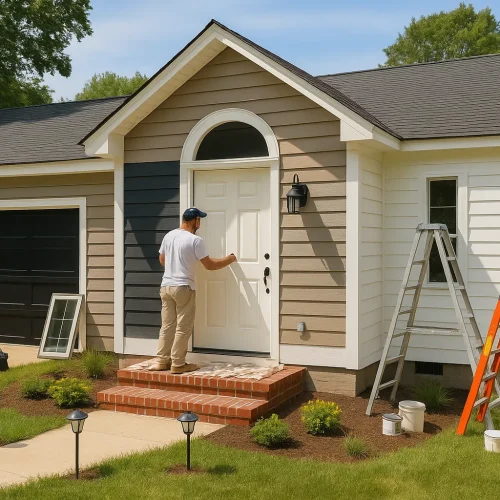
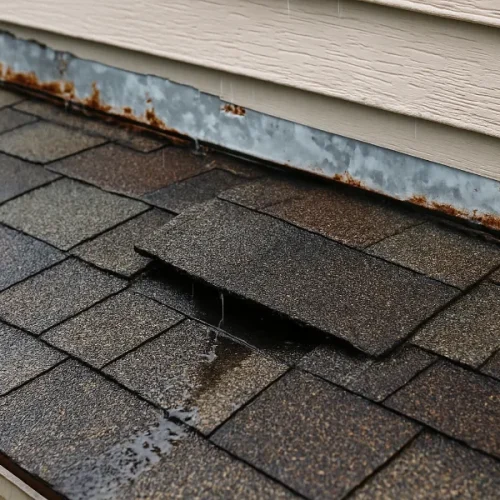
Bigger isn’t always better, especially when you’re paying for labor, materials, and the time it takes to correct mistakes. The most effective upgrades often begin with restraint. Paint touch-ups, lighting swaps, weatherproofing — these are unglamorous fixes that have a measurable impact. Not every improvement needs to be aesthetic. Some are about friction: how fast your door locks, how loud the floor creaks, how well your AC holds up when it hits 90 degrees.
Case in point: replacing your overhead door might not seem like a front-page renovation, but it’s one of the most practical moves a homeowner can make. The thing takes a beating year-round, it guards your tools, your car, your off-season gear, and it’s one of the first things people see.
This shift in focus — from flashy to functional — matters more than ever. Especially now, when real wages are lagging inflation, and most folks are trying to stretch their dollars while keeping their homes livable. The market for home repair exploded during the pandemic when everyone was stuck indoors, but that frenzy left behind a mess of half-finished plans and bloated expectations. The smarter trend now is doing less, but doing it better.
Materials That Don’t Suck
The obsession with finishes leads to some terrible decisions. A common trap is choosing style over durability. That matte black faucet looks great online, but starts chipping in six months. Reclaimed wood sounds rustic until it warps in your bathroom. Trends age fast. What’s trendy now might scream 2023 in less than five years. Go with what holds up.
The best rule of thumb? Buy what feels heavy. Cheap fixtures feel light. Bad handles feel hollow. Tiles that chip during installation will crack under foot traffic. Door hinges that squeak on week one will snap before year two. You can spot quality just by how it resists your grip.
Also, be wary of the word “composite.” Sometimes it’s code for “compressed junk wrapped in glue.” You want hardwood, stainless steel, ceramic — not a weird plastic blend trying to pass as wood. That goes for flooring, cabinets, and especially anything touching water.
Energy Is Money Now
This isn’t just about solar panels or fancy thermostats. Even basic energy tweaks can cut your bills and improve comfort. Sealing windows, adding insulation, switching to LED bulbs — none of these are sexy. But they shrink your utility bill and boost your resale value. They also make your house more livable in extreme weather, which matters a lot more now than it did ten years ago.
Climate extremes aren’t abstract anymore. Wildfires, heat waves, polar snaps — they’re here. And utility companies are passing on the cost. So fixing your home to work better in harsh conditions is just common sense. You don’t need a green roof or a Tesla battery wall. You need a tight envelope, smart shading, and maybe some attic work.
That said, if you’ve got the money and you’re already redoing a roof or siding, investing in high-efficiency options can pay off in under a decade. And some cities offer rebates, so check before you buy. Just don’t get sold on “eco-friendly” marketing unless the product specs back it up.
Permits Are Not Optional
A lot of headaches start when people ignore permits. It’s tempting to think, “It’s my house, I’ll do what I want.” But building codes exist for a reason. They’re not just bureaucratic tape — they’re guardrails that stop your staircase from collapsing or your shed from catching fire. If you build without one and get caught, you’ll pay twice: once in fines and again to fix the job to code.
More importantly, when you sell your home, any unpermitted work can tank your appraisal or blow up the deal entirely. No one wants to buy a place with mystery wiring behind the walls. So talk to your city or county. Yes, the process is boring. Yes, you’ll deal with paperwork. But it’s cheaper than undoing a bad job.
The Sweet Spot Is Enough
Not perfect. Not photo-ready. Just enough to make your space function better and feel like it belongs to you. The idea isn’t to live inside a catalog. It’s to make your home feel less frustrating. Fewer things that stick. Fewer tools left out. Fewer sighs when you open the closet. Small wins.
That’s what actual improvement looks like. Not sweeping renovations. Just less friction, more utility, and small upgrades that hold up. All without turning your house into a construction zone.
Forget the noise. Fix what breaks. Add what’s missing. Leave the rest.
They spiral when homeowners assume improvement requires major renovations instead of focusing on small, practical fixes.
No—DIY only makes sense if you have the time, skills, and tolerance for mistakes; otherwise, hiring a professional can cost less in the long run.
Low-risk tasks like replacing hardware, painting touch-ups, or minor cosmetic updates are usually safe DIY choices.
Smaller improvements reduce costs, limit mistakes, and often deliver the biggest functional gains with less disruption.
It means prioritizing durability, comfort, and usability rather than trendy designs that may age poorly or fail quickly.
Quality materials usually feel heavier, sturdier, and more solid, while cheap options tend to feel light or hollow.
They lower utility bills, improve comfort during extreme weather, and often increase long-term home value.
Yes—skipping permits can lead to fines, safety issues, and major problems when selling your home.
No—even simple steps like sealing windows or switching to LED bulbs can deliver noticeable savings.
The goal is making your home work better—not perfect—by reducing everyday friction without overcomplicating the process.