Designing an elegant tiny home is about more than reducing square footage. It is about creating a space that feels calm, refined, and intentional while still meeting everyday needs. When done well, a tiny home can feel just as comfortable and beautiful as a larger house, sometimes even more so. Elegance comes from thoughtful choices, not excess.
This guide walks through the key principles of designing an elegant tiny home, from layout and materials to lighting and storage. With careful planning, small spaces can feel open, warm, and timeless.
Start With a Clear Design Vision
Every elegant tiny home begins with a clear vision. Before choosing furniture or finishes, decide how you want the space to feel. Some people prefer a modern look with clean lines and minimal decor. Others lean toward a warm, natural style with wood textures and soft colors.
Creating a simple mood board can help guide decisions. Choose a small palette of colors, materials, and textures and stick with them throughout the home. A consistent style keeps the space from feeling busy or cluttered. Elegance often comes from restraint.
Design a Smart and Comfortable Layout
Layout is one of the most important elements of tiny home design. A well planned layout makes a small space feel easy to live in. Poor layout choices can make even a beautifully decorated home feel cramped.
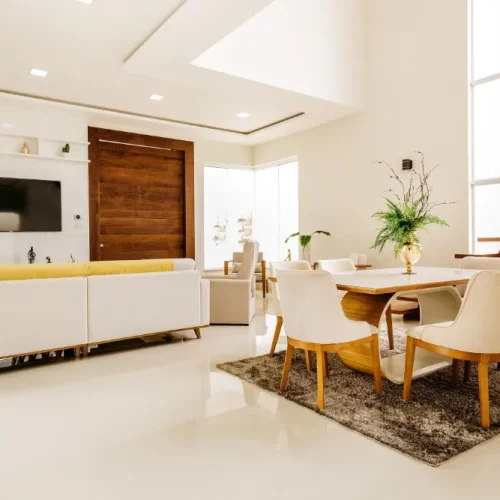
Open layouts usually work best. Combining the kitchen, dining, and living areas creates a sense of openness. Sleeping areas can feel more private with clever placement, lofts, or partial walls. Vertical space should be used thoughtfully, especially for storage or sleeping. Flow matters. Walking from one area to another should feel natural and unobstructed. When furniture and pathways are well arranged, the home feels larger and more refined.
Choose a Refined Color Palette
Color plays a huge role in how a tiny home feels. Light, neutral colors help spaces feel open and airy. Whites, soft grays, warm beiges, and gentle earth tones are common in elegant tiny homes.
That does not mean the space must feel bland. Subtle contrast adds depth. This can come from darker wood tones, matte black fixtures, or muted accent colors. Limiting the number of colors keeps the space cohesive and visually calm. Using the same palette throughout the home helps create a sense of unity, which is essential in small spaces.
Invest in Quality Materials and Finishes
Elegance is often defined by the quality of materials rather than the quantity. In a tiny home, every surface matters because everything is visible. Choosing durable, attractive materials pays off over time.
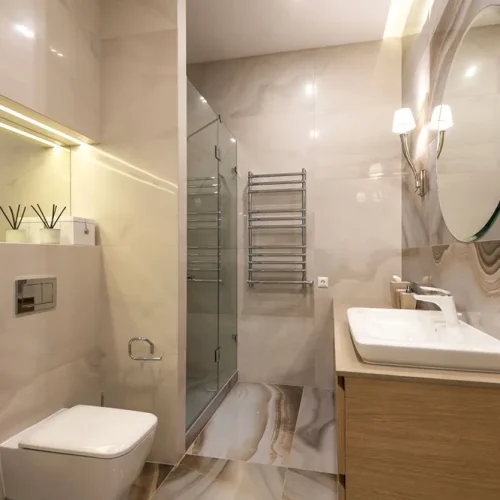
Natural materials like wood, stone, and metal add warmth and character. Solid wood cabinetry, stone countertops, or well chosen tile can elevate the entire space. Simple finishes with clean lines tend to age better and feel more timeless. It is often better to choose fewer materials and use them consistently. This creates a polished and intentional look.
Use Built In and Multifunctional Furniture
Furniture in a tiny home should work hard without dominating the space. Built-in furniture is one of the best ways to achieve this. Built in benches, beds, and shelving blend into the structure of the home and reduce visual clutter.
Multifunctional furniture also plays a key role. A dining table that folds away, a sofa with storage underneath, or a bed that converts into seating can make daily life easier. The most elegant tiny homes are those where furniture feels integrated rather than added on. Visually light furniture with clean profiles helps maintain a sense of openness.
Maximize Natural Light
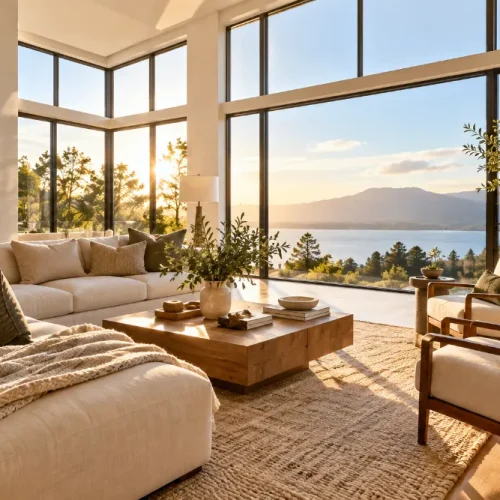
Natural light instantly makes a space feel larger and more inviting. Large windows, glass doors, and skylights can dramatically change how a tiny home feels. 20ft and 40ft shipping containers especially benefit from multiple light sources rather than one large window.
Window placement matters as much as size. Position windows to frame views and bring in light from different angles. This adds depth and visual interest. Mirrors can also be used to reflect light and make rooms feel brighter. When used sparingly, they add both function and elegance.
Keep Storage Seamless and Hidden
Clutter is the enemy of elegance. In a tiny home, smart storage is essential. The goal is to keep everyday items accessible while keeping them out of sight. Built in cabinetry that blends into walls works well. Under bed storage, hidden drawers in stairs, and floor to ceiling cabinets maximize space without overwhelming the room. Closed storage usually looks more refined than open shelving, especially in small spaces. When storage solutions are thoughtfully integrated, the home feels calm and uncluttered.
Layer Lighting for Warmth and Style
Lighting should be both functional and atmospheric. Elegant tiny homes use layers of light rather than relying on one overhead fixture. Ambient lighting provides general illumination. Task lighting is useful in kitchens, bathrooms, and work areas. Accent lighting highlights architectural details or adds softness to living spaces. Warm light temperatures create a cozy and inviting feel. Simple fixtures with timeless designs tend to work best. A single statement light can add character without overpowering the space.
Add Details That Elevate the Space
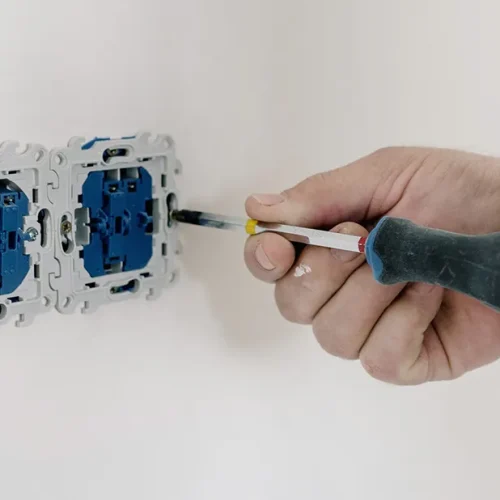
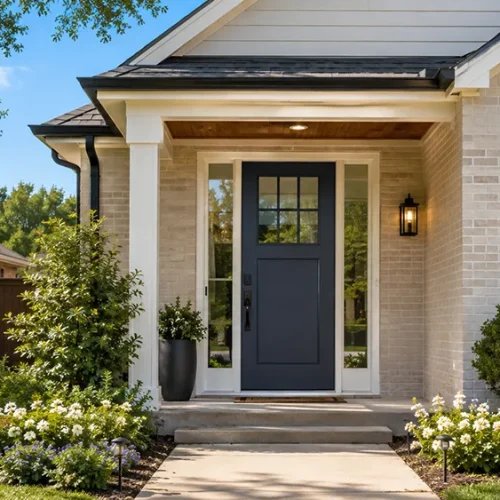
Small details make a big difference. Hardware, faucets, switches, and trim should be chosen with care. Consistency in finishes helps create a cohesive look. Textiles also add elegance. Soft curtains, area rugs, and well chosen upholstery introduce texture and warmth. Decor should be minimal but meaningful. A few well placed pieces often feel more refined than many small items. Elegance comes from intention, not decoration.
Using a Shipping Container as a Base for a Tiny Home
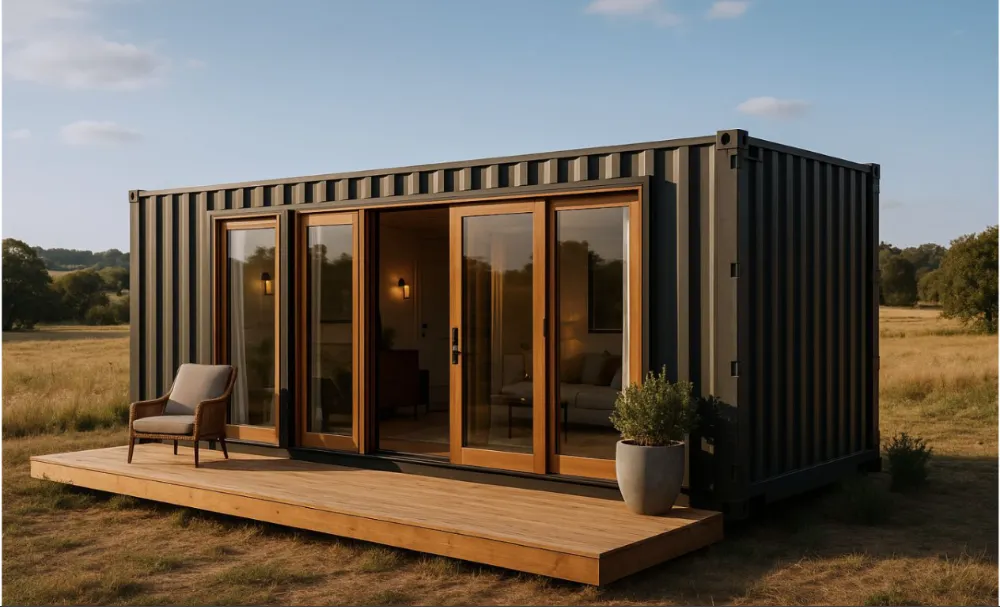
One increasingly popular option for tiny home construction is using a shipping container as the structural base. Shipping containers offer a strong steel frame, clean lines, and a modern aesthetic that fits well with elegant design. A container based tiny home can be customized in many ways. Windows, doors, and insulation can be added to create a comfortable living space. Interior finishes soften the industrial shell and make the home feel warm and inviting.
Larger shipping containers provide more flexibility for layout and room separation. With thoughtful design, the container structure disappears behind refined finishes and smart spatial planning. When considering this option, it is important to research the overall shipping container price along with modification and transport costs. While containers can be cost effective, the real value comes from how well the space is designed and finished.
Bring the Outdoors Into the Design
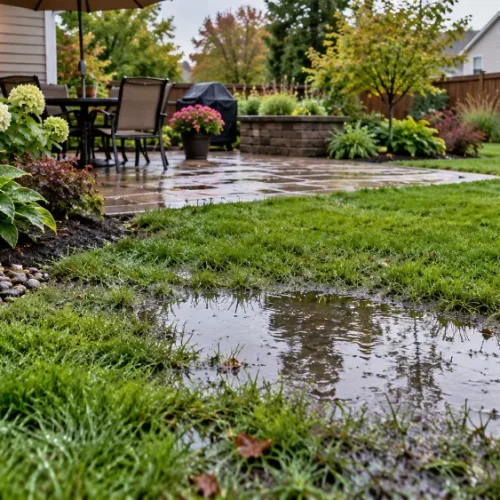
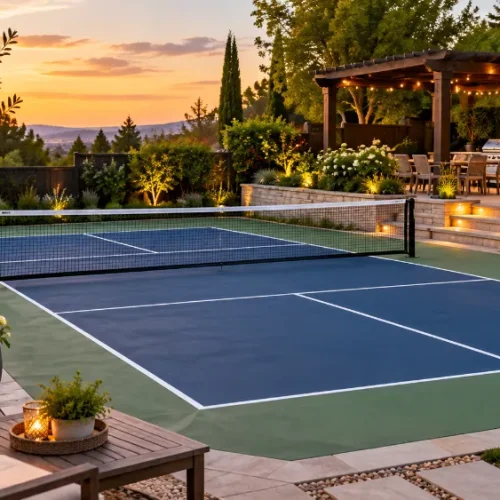
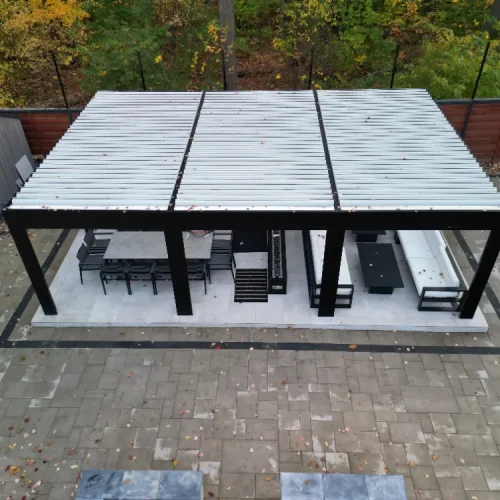
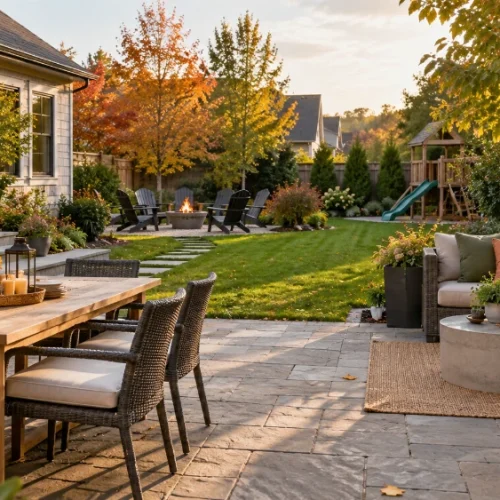
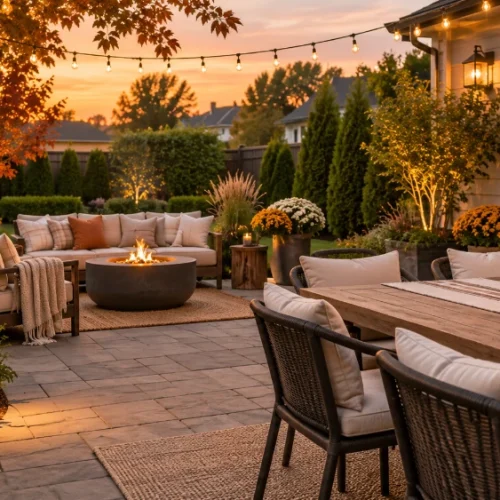
Connecting the tiny home to its surroundings enhances both comfort and elegance. Large windows, sliding doors, or covered outdoor spaces extend the living area beyond the walls. Natural materials and plants help bridge the indoor and outdoor environments. Even a small deck or patio can make the home feel larger and more luxurious. Views should be considered part of the design. Position seating or windows to highlight natural scenery whenever possible.
Final Thoughts
Designing an elegant tiny home is about thoughtful choices, not sacrificing comfort or beauty. With a clear vision, smart layout, quality materials, and intentional details, small spaces can feel refined and welcoming. Whether built traditionally or using alternative structures, elegance comes from simplicity, balance, and care. When every element has a purpose, a tiny home can feel expansive, peaceful, and truly luxurious in its own way.
FAQs
Elegance comes from intentional layouts, restrained color palettes, quality materials, and minimizing visual clutter.
Minimalist, modern, and warm natural styles work well because they emphasize simplicity, clean lines, and cohesive materials.
Light neutrals like white, beige, and soft gray create openness, while subtle contrasts add depth without overwhelming the space.
Built-in furniture is highly effective because it saves space, reduces clutter, and creates a seamless, custom look.
Hidden, closed storage integrated into walls, stairs, and furniture keeps the home visually calm and organized.
Yes, natural light makes small spaces feel larger, warmer, and more refined, especially when windows are thoughtfully placed.
Natural materials like wood, stone, and metal add warmth, texture, and timeless appeal when used consistently.
Layered lighting is essential, combining ambient, task, and accent lighting to create both function and atmosphere.
Absolutely, with proper insulation, finishes, and layout, shipping container homes can feel modern, warm, and refined.
Focus on a few meaningful decor pieces, consistent finishes, and functional design choices rather than excess accessories.