Most garage door problems are preventable if you follow a short routine that focuses on safety checks and basic upkeep. A quick monthly pass and a seasonal tune-up keep the door quiet, reliable, and weather-tight without special tools. In Chicago, constant freeze-thaw cycles and road salt batter hardware and seals, so local homeowners benefit from winter habits that limit corrosion and sticking.
You will get a 20-minute monthly checklist, a 60-minute quarterly tune-up, and clear signs for when to call a professional. I will walk you through the steps that actually keep your door running smoothly.
Safety First Before You Touch Anything
High-tension parts on your door can cause serious injury if you try to adjust them yourself. Never try to change torsion or extension springs, lift cables, or the bottom bracket. These are professional-only items under current safety guidance.

High-Tension Parts to Avoid
- Torsion springs above the door store a lot of energy and can snap with force
- Lift cables and bottom brackets stay under load whenever the door is down
- If a cable is frayed or a spring shows a visible gap, stop using the door right away
Key Safety Standards
Since January 1993, all openers sold in the United States must include entrapment protection that meets UL 325, such as photo-eye sensors. The Consumer Product Safety Commission recommends testing reversing features every month and stopping use immediately if a test fails. Never idle a vehicle in the garage, because carbon monoxide can build to dangerous levels even when the door is open.
Winterizing for Chicago Conditions
Smart winter habits prevent frozen parts from tearing seals or burning out the opener. Keep the threshold clear of snow and ice and avoid forcing a stuck door.
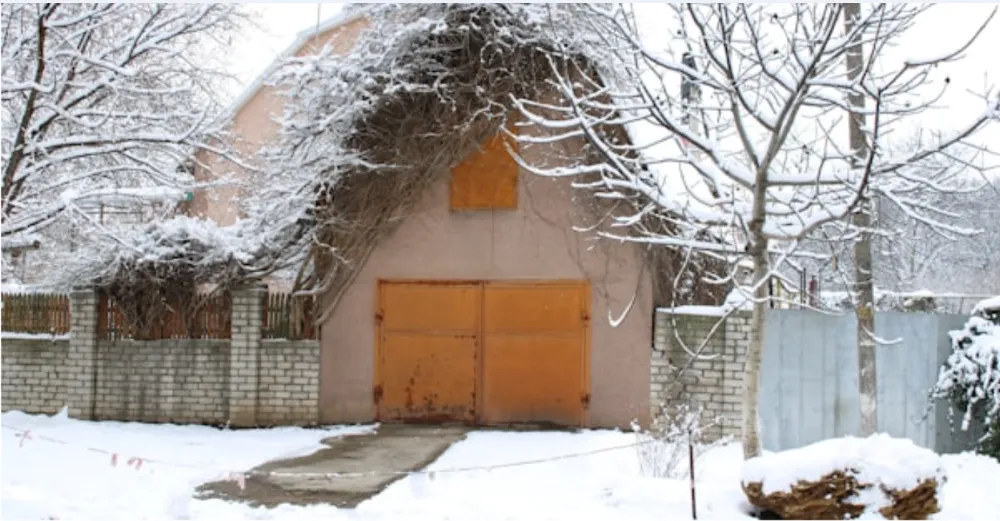
Prevent Freeze-Ups
- Brush away snow from the bottom of the door before closing
- If the door is frozen to the floor, release the opener and free the seal with warm water
- After everything thaws, run the reversal test and photo-eye test again
Salt Corrosion Care
Rinse tracks, rollers, and the lower panel area to remove slush and salty film. Dry metal parts thoroughly and reapply lubricant to springs and bearings. Check fasteners for rust and replace hardware that is badly corroded.
When a Professional Should Take Over
Call a professional for any work on springs, lift cables, bottom brackets, track replacement, or doors that have jumped off the track. If your door is cracked, the frame is sagging, or the opener fails modern safety tests even after basic checks, replacement may cost less than ongoing repairs.
Tasks for Pros Only
- Any spring winding, cable replacement, or bottom bracket work
- Bent or twisted tracks or severe panel damage
- Opener limit and force problems that remain after you try basic tests
When Repair Stops Making Sense
In some cases, professional replacement is the best option. Cracked panels, delaminating wood, or a sagging frame that no longer seals usually mean it is time for replacement. Repeated failure of reversal tests, even with sensors aligned, also signals deeper issues. Chicago homeowners who choose replacement as the safer path can compare options and book same-week service for garage door installation chicago from Chicago Garage Door, with a technician handling removal and code-compliant setup.
Your 20-Minute Monthly Check
This quick pass focuses on safety systems, visible wear, and light lubrication so the door runs smoothly. Keep a soft cloth, silicone spray, and a short 2×4 handy to move through the steps efficiently.
Scan Hardware and Tracks
- Look for frayed cables, loose hinge screws, or bent track sections
- Tighten accessible hinge screws while keeping your hands clear of moving parts
- Do not loosen spring set screws or bottom bracket hardware
Verify Safety Sensors
Both sensor LEDs should glow steadily when the door is ready to close. Gently clean the lenses with a soft cloth and make sure the brackets are solid, not flexing. Manufacturers require sensors be installed no higher than 6 inches above the floor.
Run the Reversal Test
Place a flat 2×4 on the floor under the door, then close the door on it. The door must reverse as soon as it touches the board. If it fails, check the sensors and travel settings in the opener manual and stop using the door until the issue is fixed.
Check Door Balance
Pull the red release cord with the door down to disengage the opener, then lift the door by hand to about halfway. A balanced door stays roughly in place. Drifting up or down points to spring tension problems that require professional service.
Lubricate Correctly
- Apply silicone spray to hinge pins, steel roller bearings, and spring coils
- Do not lubricate nylon roller tires or the tracks
- Wipe away extra lubricant so it does not drip on the floor
Your 60-Minute Seasonal Tune-Up
A deeper quarterly routine catches vibration-related loosening and salt buildup before they become bigger problems. Chicago’s long, cold winters make this tune-up especially important for reliability.
Tighten and Clean
Snug hinge and track bracket bolts to the tightness in the manufacturer guide, without forcing them. Wipe tracks with a damp rag to lift dust and road grit, then dry them well. Clean door panels to remove salty film that speeds up rust.
Revisit Seals
Inspect the bottom seal and side weatherstripping for daylight or obvious gaps. Replace pieces that are cracked, stiff, or torn. Consider a threshold kit if the slab is uneven and water tracks under the door.
FAQs
Run both the photo-eye obstruction test and the contact reversal test every month, following CPSC and opener manual guidance. Also repeat both tests after any adjustment or major cold snap.
Use silicone spray or white lithium grease on hinge pins, steel roller bearings, torsion spring coils, and bearing plates. Do not lubricate the tracks or the nylon tires on the rollers.
If the door fails the balance test, feels heavy, or shows a visible gap in a torsion spring, call a professional right away. Standard springs are usually rated for about 10,000 open-and-close cycles.
Replace a cracked bottom seal and adjust or install a threshold to close remaining gaps. ENERGY STAR notes that air sealing upgrades can cut typical energy bills by roughly 10 percent.
A quick visual and safety check once a month is ideal, with a deeper tune-up every three to four months.
Springs, lift cables, bottom brackets, and track realignment should always be handled by professionals due to high tension and injury risk.
Cold temperatures thicken old lubricants and cause metal to contract, increasing noise and friction.
Yes, salt accelerates corrosion on tracks, rollers, and lower panels if not rinsed and dried regularly.
Place a flat 2×4 under the door and close it; the door should reverse immediately upon contact.
This usually indicates worn or unbalanced springs, which require professional replacement.