Water damage ranks among the most expensive and frustrating problems homeowners face. Unlike sudden pipe bursts, hidden leaks work silently behind walls, under floors, and within ceilings. By the time visible signs appear, thousands of dollars in damage may have already occurred. Understanding where hidden leaks develop and how to spot early warning signs can save considerable money and stress.
Why Hidden Leaks Are So Destructive
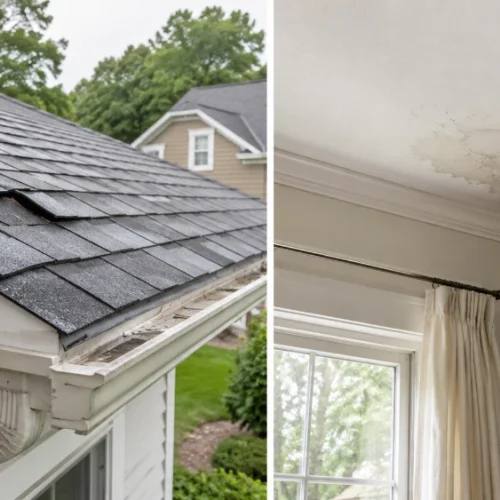
Hidden leaks operate differently from obvious plumbing failures. A dripping tap wastes water, but concealed leaks destroy structural elements before anyone notices. Water travels along unexpected paths through homes. Moisture from a leaking shower on the second floor might appear as ceiling stains in a ground-floor room.
This delayed discovery gives water time to saturate timber frames, rot floor joists, and compromise foundations. Furthermore, persistent moisture creates ideal conditions for mould growth. Once mould establishes itself within wall cavities, remediation becomes complicated and expensive.
Common Sources of Hidden Leaks
Several plumbing connections are particularly prone to developing concealed leaks over time.
Shower and Bath Areas
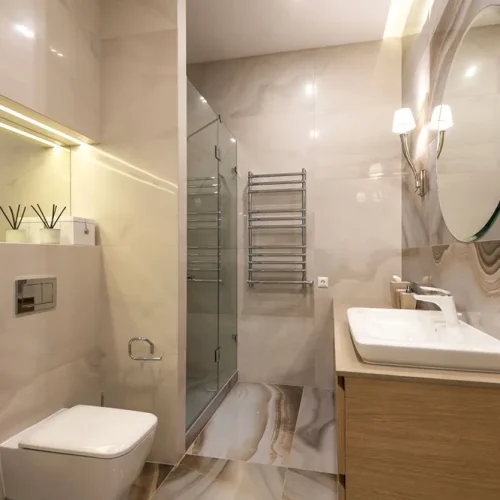
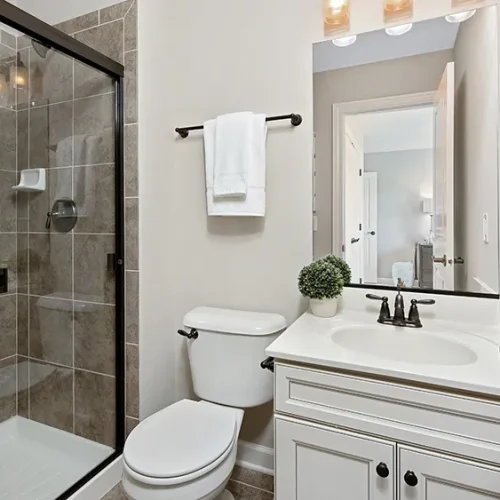
Deteriorated waterproof membranes in showers are among the most common hidden sources of leaks. Grout and silicone break down gradually, allowing water to seep through tiles into wall cavities. Flexible hoses connecting taps can fail without warning. These braided hoses have limited lifespans, and when they rupture, water floods spaces hidden behind vanity units. What causes leaking showers often relates to failed seals and deteriorated materials that homeowners cannot easily inspect.
Behind Walls and Under Floors
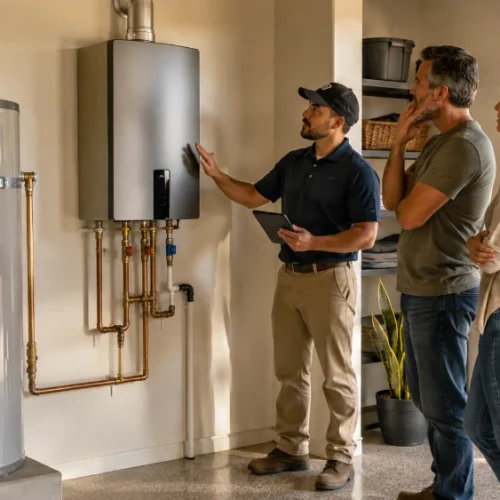
Pipe connections within walls slowly corrode. Copper pipes develop pinhole leaks at solder joints. Older galvanized pipes rust from the inside out, reducing water pressure while creating small breaches. Hot water systems installed in ceiling spaces pose significant risks. When inner tanks rust and fail, stored water disperses throughout ceiling cavities before dripping becomes visible.
Kitchen and Laundry Connections
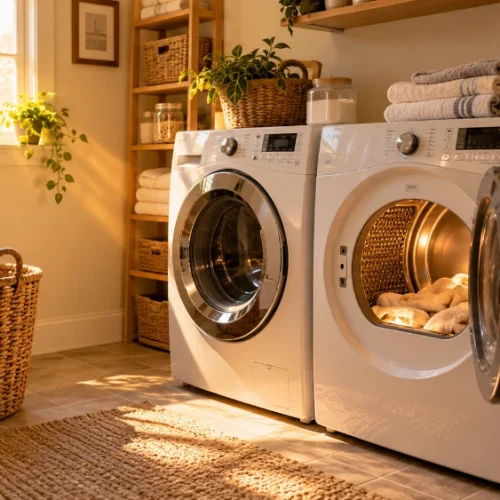
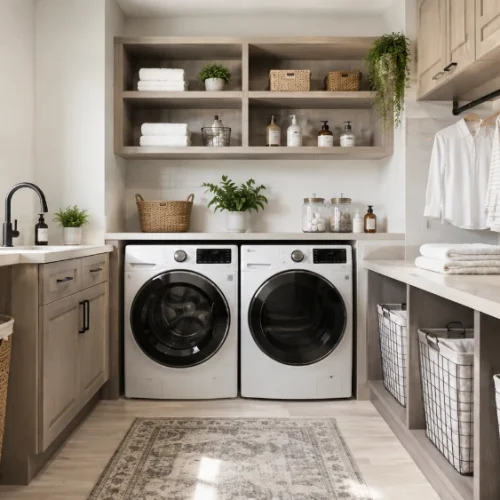
Waste traps under sinks gradually deteriorate. Rubber seals perish over time, allowing wastewater to drip into cupboards. This moisture warps cabinetry and creates musty odours. Dishwasher and washing machine hoses can develop slow leaks at connection points. Because these appliances sit against walls or under benchtops, small drips remain undetected until significant damage accumulates.
Warning Signs to Watch For
Catching hidden leaks early requires paying attention to subtle indicators that homeowners often overlook. Unexplained increases in water bills suggest continuous water flow somewhere in the system. Even modest bill jumps deserve investigation. Musty odors signal trapped moisture. If cupboards, bathrooms, or laundry areas develop persistent damp smells, water is likely accumulating in hidden spaces.
Visual changes to walls and ceilings provide crucial clues:
- Discolouration or water staining
- Bubbling or peeling paint
- Warping plasterboard
- Swelling skirting boards
- Separating cornice
- Lifting or buckling floor tiles
Unusually green or lush patches in yards might indicate leaks in underground water lines. Grass thrives on the constant moisture, creating obvious wet spots even during dry periods. Sounds can also reveal problems. Running water sounds when taps are off or when toilet cisterns refill periodically without being flushed indicate leaks requiring immediate attention.
How to Detect Hidden Leaks
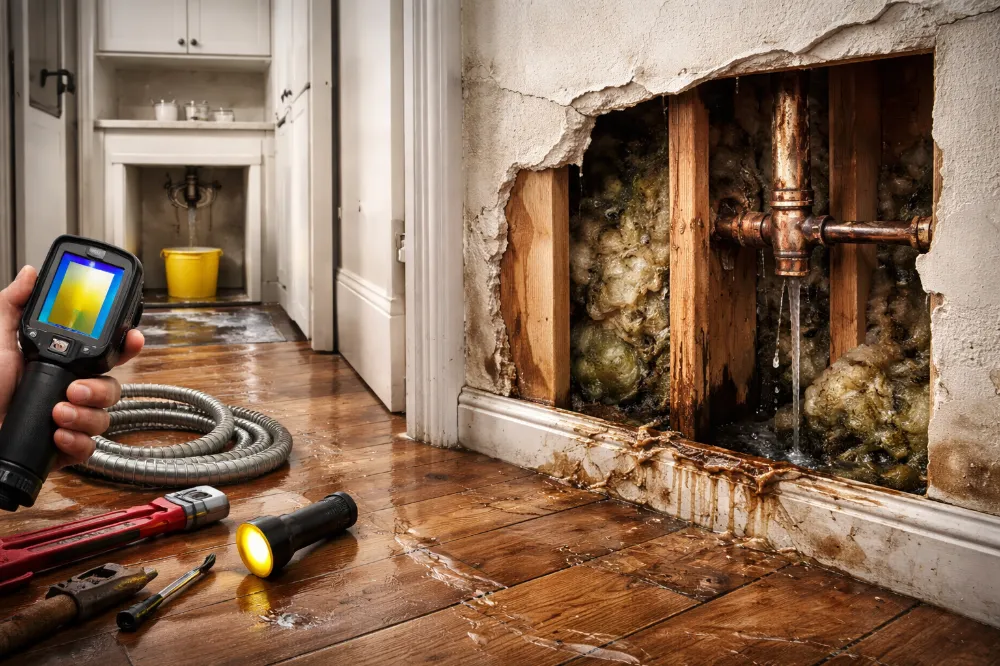
Several methods help identify concealed water problems before major damage occurs. Start with a simple water meter test. Turn off all water-using appliances and fixtures. Check the water meter, then wait an hour without using any water. If the meter shows movement, water is escaping somewhere. Licensed plumbers use specialized equipment for pinpointing leak locations. Thermal imaging cameras detect temperature differences caused by water behind walls.
Acoustic leak detection equipment detects the sound of water escaping from pipes within concrete slabs or wall cavities. Regular inspections of accessible areas help catch problems early. Check under sinks for dampness, examine hot water units for rust or moisture, and inspect toilet cistern components annually.
Financial Impact of Water Damage
Water damage creates cascading costs that extend far beyond simple pipe repairs. Structural repairs can run into tens of thousands of dollars when timber frames need replacement. Foundations weakened by persistent moisture require expensive underpinning. Mould remediation adds substantial costs. Professionals must remove contaminated materials, treat affected areas, and replace damaged plasterboard, insulation, and flooring.
Soft furnishings, carpets, and personal belongings are often irreparably damaged once water-damaged. Replacement costs add up quickly, particularly when flooding affects multiple rooms. Beyond direct repair expenses, hidden leak damage can impact property values. Disclosure requirements require sellers to disclose past water damage, potentially deterring buyers or reducing sale prices.
Insurance Considerations
Understanding what home insurance covers regarding hidden leaks prevents unpleasant surprises during claims. Most policies have specific exclusions around gradual damage. Leaks developing slowly over months or years might not be covered, particularly if homeowners could have reasonably discovered them through regular maintenance.
Some insurers exclude certain types of leaks entirely. What are gradual water leaks explains how these slow, persistent leaks differ from sudden bursts, which affect coverage eligibility. Documentation matters significantly. Maintaining records of plumbing inspections, repairs, and maintenance demonstrates responsible homeownership and can support claims. Taking proactive steps to protect homes from water damage makes good sense both for property protection and potential insurance considerations. Homeowners looking to ensure their belongings and property are adequately protected should get a contents insurance quote online with NRMA to understand their coverage options.
Prevention Strategies
Preventing hidden leaks requires combining regular maintenance with smart upgrades during renovations. Replace ageing flexible hoses before they fail. Plumbers recommend changing braided hoses every five years, even if they appear functional.
Install isolation valves on all water supply lines. These allow quick shutoff during emergencies without needing to locate and turn off the mains supply. When renovating bathrooms, kitchens, or laundries, replace pipes within walls and floors. Although this adds upfront costs, preventing future hidden leaks behind new finishes saves money in the long term.
Schedule professional plumbing inspections every two years. Plumbers can identify early warning signs homeowners miss, such as corroded connections or deteriorating seals. Consider relocating hot water systems from ceiling cavities to outdoor locations. This simple change during renovations eliminates one of the highest-risk sources of catastrophic hidden leaks.
When to Call Professionals
Some leak investigations require professional expertise and equipment. Attempting DIY detection of concealed leaks often leads to unnecessary property damage. If water stains appear on ceilings or walls, professionals should investigate before cutting exploratory holes. Thermal imaging might pinpoint issues without invasive investigation. Pressure testing water lines requires specialized equipment and knowledge. Plumbers can isolate system sections to identify which pipes are leaking.
Always use licensed plumbers for repairs. Beyond being legally required in Australia, proper repairs protect property values and ensure insurance coverage remains valid. Underground leaks demand professional attention immediately. Water escaping near foundations can undermine structural integrity remarkably quickly.
Taking Action Now
Hidden leaks won’t announce themselves conveniently. They work silently, accumulating damage that becomes increasingly expensive to repair. Starting today, homeowners can take several protective steps. Walk through the home checking for warning signs. Schedule that overdue plumbing inspection. Replace ageing flexible hoses before they fail. Small investments in prevention and early detection save substantial amounts compared to repairing extensive water damage. Most importantly, regular attention to plumbing systems provides peace of mind knowing hidden leaks won’t silently destroy what you’ve worked hard to build.
FAQs
A hidden leak occurs inside walls, ceilings, floors, or underground pipes where water escapes without obvious visible signs.
They cause long-term damage to structures, insulation, and finishes before detection, increasing repair and restoration costs.
Showers, flexible hoses, pipe joints in walls, hot water systems, and appliance connections are frequent sources.
Warning signs include higher water bills, musty smells, wall stains, bubbling paint, warped floors, or unexplained water sounds.
Yes, constant moisture creates ideal conditions for mould growth, often inside wall cavities where it spreads unnoticed.
Many policies exclude gradual damage, so long-term hidden leaks may not be covered unless detected and addressed early.
They use tools like thermal imaging, acoustic detection, pressure testing, and water meter tests to locate leaks accurately.
Yes, past water damage must often be disclosed and can reduce buyer confidence or lower sale prices.
Regular inspections, replacing ageing hoses, installing isolation valves, and proactive plumbing maintenance help prevent issues.
Call immediately if you notice water stains, mould smells, unexplained water use, or suspect leaks in walls or underground.