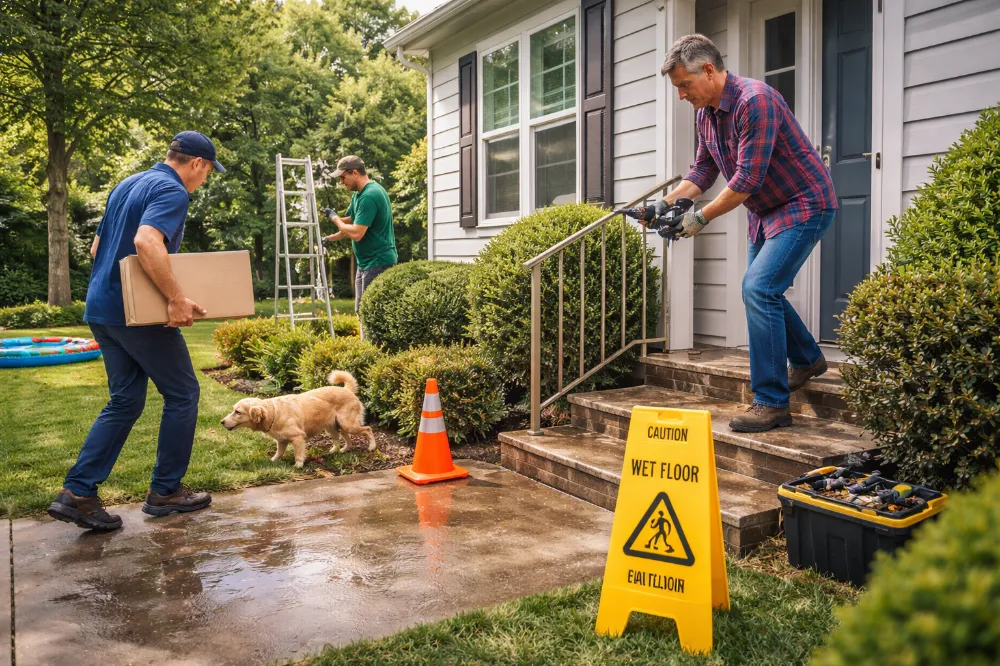
Your responsibilities as a homeowner extend well beyond basic property maintenance. The law holds you financially accountable for accidents that happen on your property. When someone steps onto your property, whether as a guest or a service provider, you have a legal duty to keep them safe.
The law categorizes visitors into three groups: licensees, invitees, and trespassers. Invitees deserve the highest duty of care, which means you must take reasonable steps to ensure their safety. On top of that, hazards like snow buildup, slippery floors, and poor lighting aren’t just inconveniences – they could trigger personal injury claims.
In this piece, you’ll learn about your legal duties as a property owner. We’ll break down the different types of visitors and what you owe them. We’ll also discuss how insurance and legal protections help keep you and your visitors safe. Everything in homeowner liability matters – it protects your financial future.
Understanding Your Legal Duty as a Homeowner
Your property becomes an extension of your legal responsibility under the law. Premises liability holds you, as a homeowner, accountable for keeping your property safe for visitors. This legal concept protects public safety and provides a way to compensate people injured due to negligence. Your duty of care focuses on preventing foreseeable harm. You become negligent when you don’t maintain safe premises or warn others about known dangers. Courts get into whether you knew about hazards and took reasonable steps to fix them.
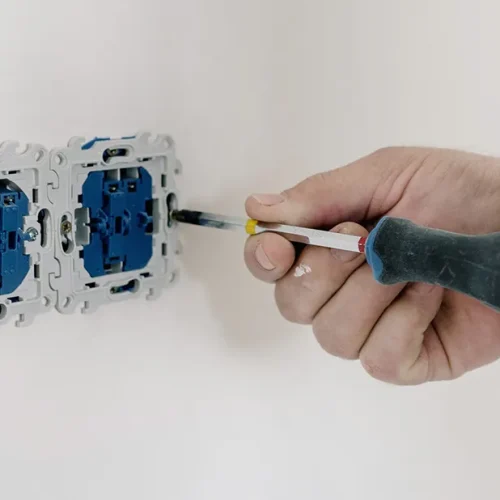
Homeowner liability often arises from dangerous conditions such as wet floors, poor lighting, broken stairs, ice buildup, faulty wiring, unsecured pools, and pets running loose. For example, slip-and-fall accidents sent 8.5 million people to emergency rooms in 2023.
In spite of that, your legal duty changes based on who visits your property. Invitees such as delivery workers require the highest standard of care with regular property checks. Social guests need warnings about known hazards. Trespassers receive basic protection, except when children and “attractive nuisances” are involved. Regular maintenance, quick repairs, proper warnings, and good insurance coverage are the foundations of your defense against premises liability claims that could lead to serious financial risks.
Who’s on Your Property? Visitor Types and Your Responsibility
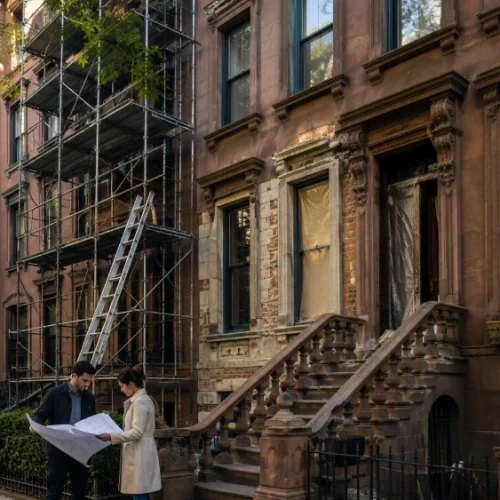
Legal categories define your responsibilities when people visit your property. A homeowner’s liability risks depend on understanding these classifications. People who visit your property for business reasons are invitees. Delivery personnel, contractors, and utility workers fall into this group. You must take extra care with these visitors. Your property requires regular inspections to identify hazards, and you should address dangerous conditions immediately. Your social guests and friends are licensees who visit for non-business reasons. You don’t need to inspect your property while they are actively on site, but you should inform them of any hazards they might not notice.
Trespassers who enter without permission generally have minimal protection. You cannot deliberately create dangerous conditions that harm them. The “attractive nuisance” doctrine applies differently to children who trespass. This means you need to secure features that might attract children, such as swimming pools, construction sites, or equipment. Your homeowner’s insurance usually covers injuries on your property. Coverage limits across policies can vary widely. Insurance alone isn’t enough – taking preventive steps gives you the best protection against premises liability claims that could exceed your coverage. While insurance plays a role, ConsumerShield offers resources to help you understand the legal landscape of premises liability and reduce the chance of costly disputes.
How Insurance and Legal Rules Protect You
Most homeowners’ insurance policies provide personal liability coverage of $100,000. However, experts recommend securing $300,000 to $500,000 to protect your assets. This coverage helps pay medical expenses, legal defense costs, and settlements when someone gets injured on your property. Your insurance needs may extend beyond the basics. A personal umbrella policy adds extra protection when your potential liability exceeds standard limits. These policies offer $1 million or more in coverage at affordable annual premiums between $150 and $300.
It’s worth mentioning that standard homeowners’ policies have limitations. To cite an instance, your insurance won’t cover claims from uninsured contractors who get hurt on your property. You should always verify that contractors carry their own insurance, including workers’ compensation and general liability coverage. Comparative negligence laws can significantly affect your liability. These laws may reduce your liability for the visitor’s own careless actions. Some states prevent injured parties from recovering non-economic damages if they are more than 50% responsible for the incident. Premises liability protects you when injuries happen on your property. General liability provides broader coverage for incidents arising from your actions, both on and off your property.
Conclusion
Home protection goes way beyond physical security-it’s equally about knowing and managing your legal responsibilities. Many property owners don’t think about their liability risks until they face a lawsuit. You need to understand the different types of visitors and your duties toward them as your first line of defense. Safety shouldn’t be left to chance. Regular property inspections are essential, along with prompt remediation of hazardous conditions and clear warnings about potential risks to guests. Your insurance coverage needs yearly reviews to match your specific situation. Standard policies provide simple liability protection. Higher coverage limits or umbrella policies will give you better protection against major claims.
A balanced approach to hospitality and safety creates the best environment for you and your visitors. No one thinks their property will be where someone gets hurt, but accidents happen without warning. Taking preventive steps now will help you avoid stress, money problems, and legal issues later. Learning about premises liability strengthens your ability to manage property maintenance, visitor management, and insurance needs. Your legal duties as a homeowner protect not just others-they safeguard everything you’ve worked for.
FAQs
Premises liability is the legal responsibility homeowners have to keep their property reasonably safe for people who enter it.
Invitees are people who enter your property for business purposes, such as delivery drivers, contractors, or utility workers.
You must warn social guests about known hazards that are not obvious, even if you are not required to inspect the property continuously.
Generally, liability is limited, but you cannot intentionally harm trespassers or ignore dangerous conditions that could seriously injure them.
An attractive nuisance is a feature like a pool or construction area that may draw children, requiring homeowners to take extra safety measures.
Yes, slip-and-fall incidents are one of the most common causes of personal injury claims against homeowners.
Most policies include personal liability coverage, but limits vary and may not cover all situations.
Experts often suggest $300,000 to $500,000, with an umbrella policy for additional protection.
Injuries to uninsured contractors may not be covered, so verifying their insurance is critical.
Regular inspections, prompt repairs, clear warnings, and adequate insurance coverage significantly reduce liability risks.