As summer approaches, the desire to keep your home comfortable increases. The reliance on air conditioning units often escalates during these warmer months, leading to higher energy bills and potential wear on the system. However, it’s entirely possible to stay cool without overburdening your air conditioning unit. By implementing some clever strategies and understanding how heat interacts with your home, you can maintain a pleasant environment while also being mindful of energy consumption.
Understanding Heat Flow
Before we dive into solutions, it’s crucial to comprehend how heat enters your home. Heat naturally flows from areas of higher temperature to those of lower temperature. As a result, during hot weather, the heat from outside can easily seep into your house, making your cooling systems work overtime. Whether through poor insulation, unshaded windows, or even inadequate roofing, several factors contribute to how hot your home can get.
Improving Insulation
One effective way to keep your home cool is through effective insulation. Insulation helps maintain a consistent indoor temperature by reducing the amount of heat exchange between your home’s interior and the outside environment. This is particularly relevant for attics, which can become unbearably hot if not properly insulated.
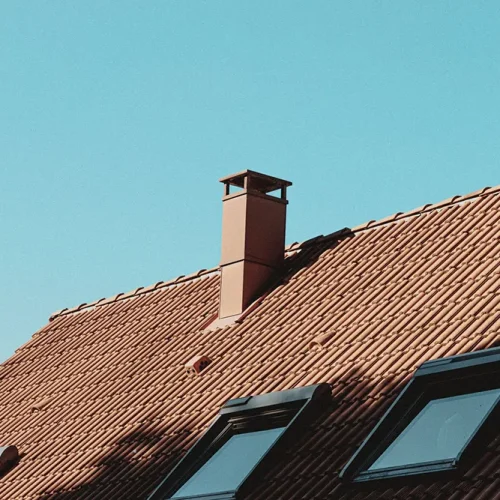
One solution to improve your attic’s insulation is to use products like AtticFoil, which can significantly reduce heat transfer. This radiant barrier works by reflecting heat away in the summer and can be a great enhancement to traditional insulation methods. By addressing heat flow in your attic, not only do you create a cooler upper story, but you can also reduce the workload on your air conditioning system.
Ventilation Techniques
Natural Ventilation
Utilising natural ventilation techniques can contribute to keeping your home cool without straining your air conditioning. You might not always be able to control the weather, but strategic management of airflow inside your home can make a large difference.
- Open windows early and late: The cool air in the early hours of the morning and late at night can help lower indoor temperatures. Open windows to create a cross-breeze, helping displace hot air trapped indoors.
- Use ceiling fans: You can coordinate the use of ceiling fans with your windows to enhance airflow. Set your fans to rotate counter-clockwise in the summer to create a wind-chill effect.
Exhaust Ventilation
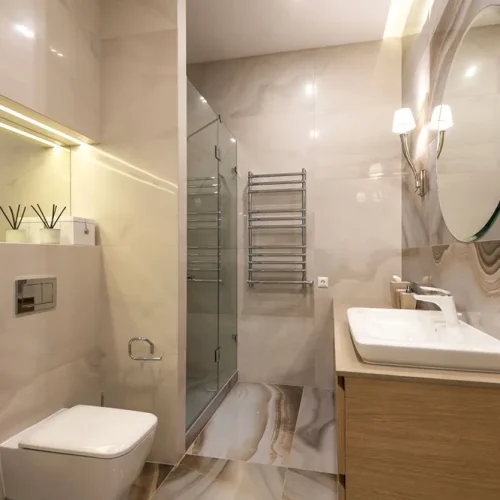
For mechanics, exhaust fans can also be an effective tool. Installing exhaust fans in areas like kitchens and bathrooms helps to expel hot air that naturally accumulates during cooking or showering. Make it a habit to run these fans after using these spaces to aid in keeping your home cooler.
Shading Your Home
Window Treatments
Windows are a significant entry point for heat. By employing shading strategies, you can reduce the amount of heat that enters your home during the hottest months. Some options include:
- Use reflective window films: These films can reduce heat gain while still allowing light to enter your home.
- Heavy curtains or thermal blinds: A layer of fabric can create an additional barrier against outdoor heat. Ideally, choose light colours that reflect heat and close these during the day.
Shade Trees and Awnings
External shading, such as planting trees to block sunlight or installing awnings over windows, can also lower indoor temperatures. Natural shade not only enhances your home’s curb appeal but also provides relief on a hot summer’s day.
DIY Hacks to Keep Cool
Cold Water in the Air
Sometimes the simplest solutions are the most effective. Place bowls of cold water in front of floor fans. As the fan blows air over the water, it creates a chilling effect that cools the surrounding air. You can also try hanging wet sheets in open windows; as the wind passes through the sheets, it can reduce the room’s temperature.
Limit Heat-Generating Appliances
Small adjustments around the home can make a significant difference. Consider using:
- LED lighting: These generate less heat than traditional bulbs.
- Limit oven use: Try to prepare meals that require no heat or opt for the microwave instead on those particularly hot days.
The Role of Your Air Conditioning Unit
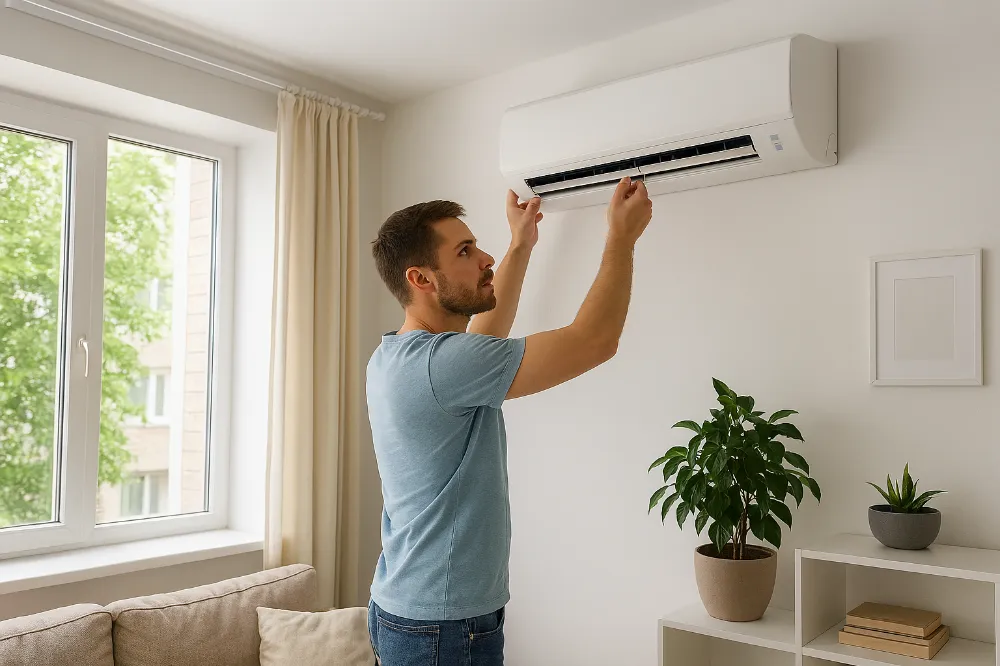
While there are ways to stay cool without overworking your air conditioning, it’s essential to ensure that your system is functioning efficiently when you do need it. Regular maintenance, such as changing air filters, checking coolant levels, and ensuring proper airflow, can improve its lifespan and efficacy.
Optimising Your Air Conditioning
- Set a programmable thermostat: This will allow your AC to work less when you’re not at home. You can set it to begin cooling before you return, so you walk into a comfortable house.
- Regular inspections: Schedule annual inspections with a professional to ensure everything is working as it should.
Conclusion
As the temperatures climb, it’s crucial to establish a plan for keeping your home cool without overworking your air conditioning unit. Through a combination of enhancing your insulation, using natural ventilation, implementing shading strategies, and optimising your AC’s performance, you can create a comfortable living space while being energy smart. The goal is to create a home that remains cool and inviting, encouraging a healthier and more sustainable lifestyle. By applying these strategies, you’re not just saving energy; you’re also investing in the comfort and longevity of your home.
FAQs
You can rely on better insulation, strategic ventilation, window shading, and fans to lower indoor temperatures naturally.
Yes, proper insulation slows heat transfer, which helps maintain cooler indoor temperatures and reduces AC workload.
Open windows early in the morning and late at night when outdoor temperatures are lower to create natural airflow.
Ceiling fans don’t lower the temperature, but they create a wind-chill effect that makes rooms feel cooler.
Thermal curtains, blinds, and reflective films block sunlight and limit heat entering through windows.
Yes, exhaust fans in kitchens and bathrooms remove trapped heat and humidity, improving overall comfort.
Radiant barriers, especially in attics, reflect heat away from your home and can noticeably reduce indoor temperatures.
Cooking with ovens, using incandescent bulbs, and running heat-producing appliances all raise indoor temperatures.
Use a programmable thermostat, change filters regularly, and schedule professional maintenance to improve efficiency.
Simple methods like using fans with cold water or limiting heat-generating activities can provide noticeable relief during hot days.