This post contains affiliate links. As an Amazon Associate, I earn from qualifying purchases, at no extra cost to you. See our disclosure policy.
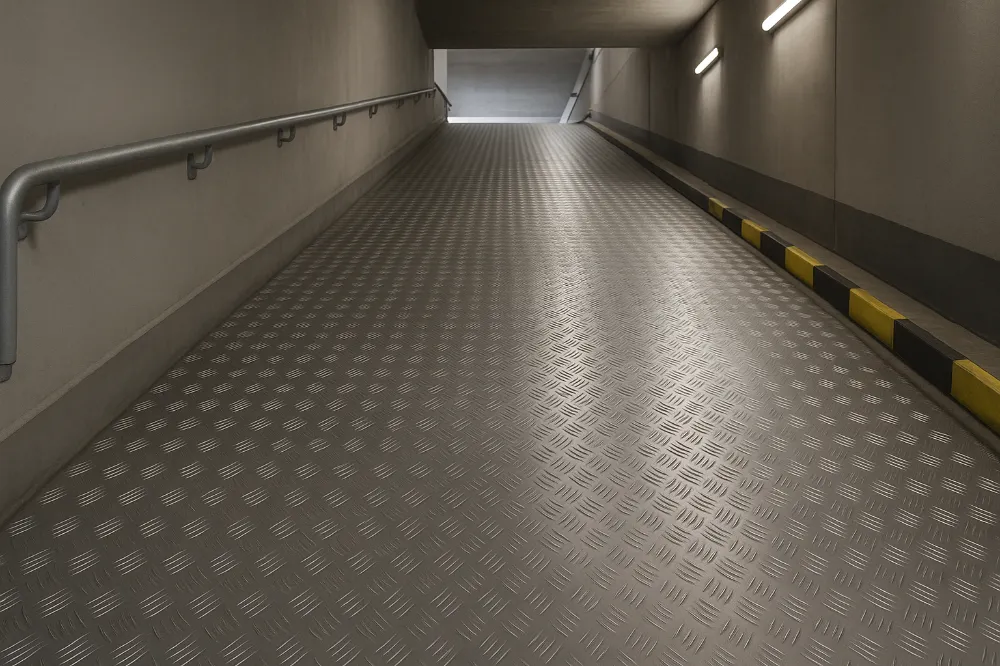
Most people don’t think much about the ramps they drive on until one feels slippery, uneven, or loud enough to rattle the whole car. For property managers, builders, and facility teams, ramp surfaces can become a constant headache: worn concrete, chipped resin coatings, or surfaces that just don’t handle moisture well. That’s why more projects are turning to aluminum checker plate to upgrade garage and car-parking ramp treads. It’s practical, long-lasting, and noticeably safer for both vehicles and pedestrians.
Why Ramps Wear Out Faster Than Expected
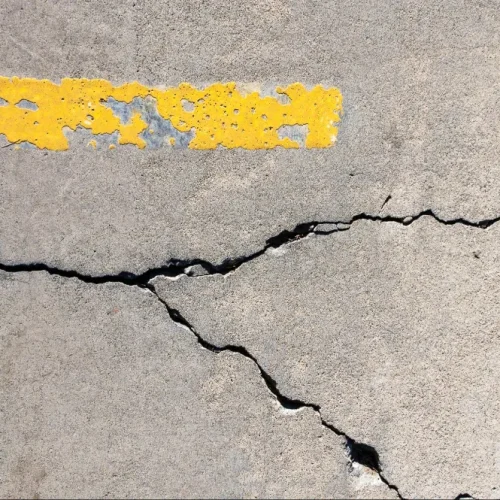
Ramps deal with far more stress than flat flooring. The angle alone puts extra pressure on tires and surfacing. Add in weather exposure, water runoff, and the weight of modern vehicles and you’ve got a recipe for early deterioration. Coatings peel, grip fades, and before long, maintenance teams find themselves patching the same trouble spots repeatedly.
The goal of any upgrade is simple: reduce maintenance cycles while improving traction and safety. This is where checker plates made from aluminium start to shine not because they’re trendy, but because they solve real problems that show up every day.
The Functional Advantages of Aluminium on Ramp Treads
One of the biggest advantages of using aluminum checker plate is its built-in slip resistance. The raised pattern gives tires and shoes something to grip onto, especially during wet conditions. It’s the kind of practical, mechanical grip that doesn’t wear off the way coatings or paints do.
But traction is just one part of the story. Aluminum’s resistance to corrosion makes it ideal for environments where water, road salts, and general grime hit the surface constantly. Unlike steel, it won’t rust. Unlike concrete, it won’t crack. And unlike resin-based products, it doesn’t bubble or peel.
Another surprising benefit is noise reduction. Older ramp surfaces especially bare concrete can echo or create a harsh scraping sound as vehicles climb. A well-secured aluminum plate absorbs and disperses sound more effectively than many expect, especially when paired with rubber underlays or modern fastener systems.
A Safer Experience for Both Drivers and Pedestrians
Safety upgrades are often done with drivers in mind, but pedestrians use ramps more often than we realise. Car parks with internal pedestrian access, ramps leading into basements, and mixed-use facilities all need consistent traction. The textured surface on aluminium checker plate reduces slipping hazards significantly, even when wet or dusty.
The reflective nature of aluminium adds an unexpected layer of safety too. In dimly lit garages or underground car parks, the surface naturally picks up available light. That slight increase in visibility makes it easier for drivers to judge their positioning and see the incline ahead.
Installation That Doesn’t Disrupt Everything
Most upgrades inside parking structures need to happen fast, especially if residents, tenants, or shoppers rely on the facility every day. Aluminium plates are relatively lightweight, making them easier and quicker to install than heavy steel alternatives. This reduces both labour time and the window during which ramps need to be closed.
Another benefit is versatility. Plates can be cut to size, bent, or shaped to suit transitions, drainage channels, sharp corners, or oddly angled surfaces. That means fewer gaps, fewer trip hazards, and a more seamless finish overall.
Durability That Minimises Long-Term Maintenance
Anyone managing a high-traffic parking facility knows the maintenance budget never stops growing. That’s why long-life materials matter. Aluminium checker plate handles abrasion exceptionally well. Tyres don’t wear it down. Occasional impacts don’t crack it. It doesn’t absorb oil or stains. And because aluminium doesn’t rust, it maintains a consistent surface for years without needing patching.
Even when maintenance is required, it’s usually straightforward. Individual panels can be replaced without dismantling the entire ramp surface something that’s rarely possible with poured concrete or bonded coatings.
The Aesthetic Upgrade Many Don’t Expect
Functionality is the priority in parking structures, but aesthetics still matter especially in modern apartment buildings, commercial complexes, and high-end residential car parks. Aluminum offers a clean, industrial look that stays consistent over time. It doesn’t dull quickly, and even if it loses some shine, its texture still looks intentional.
For projects wanting a more customised finish, powder-coating or anodising is an option, adding colour or extra protection while preserving the practical benefits of the plate.
Why Aluminium Checker Plate Stands Out for Ramp Safety
When comparing materials, the standout advantage is balance. Aluminium hits the sweet spot between weight, strength, durability, and ease of installation. It delivers significant safety improvements without dramatically increasing maintenance needs.
More importantly, it solves the problems that ramp surfaces encounter every single day: slipping, noise, moisture, corrosion, and uneven wear. For facility managers who want fewer breakdowns and fewer phone calls about slippery slopes or worn treads, aluminum is an upgrade that pays for itself quickly.
And when choosing materials, checker plates made from aluminum consistently prove their reliability across small garages, multi-story car parks, industrial facilities, and mixed-use buildings alike.
Conclusion
Upgrading garage and car-parking ramps isn’t just about refreshing a surface it’s about improving safety, reducing long-term maintenance costs, and creating a smoother experience for the people who use the space every day. Aluminum checker plate offers a practical, durable, and visually clean solution that performs well under pressure and stands the test of time.
If your next project calls for an upgrade that’s both functional and future-proof, aluminum checker plate is a standout option worth considering.
FAQs
Aluminum checker plate is commonly used to improve traction, durability, and safety on garage and car-parking ramp surfaces.
Its raised tread pattern provides mechanical grip that doesn’t wear off like paint or resin coatings, especially in wet conditions.
No, the textured surface is specifically designed to reduce slipping, even when exposed to rain, water runoff, or dust.
When properly installed, it can last many years with minimal wear, even in high-traffic or heavy-vehicle environments.
Yes, aluminum naturally resists corrosion, making it ideal for ramps exposed to moisture, salts, and grime.
Yes, it can help dampen vibration and noise, especially when installed with proper fixings or underlays.
Absolutely. Its slip-resistant surface improves safety for both vehicles and pedestrians in shared parking areas.
Installation is relatively quick and efficient due to aluminum’s lightweight nature and ease of cutting and fitting.
Yes, individual panels can usually be replaced, reducing downtime and repair costs.
Yes, it offers a clean, modern, industrial look that stays consistent and professional over time.