When a large oak tree in your North Haven yard shows signs of distress, the first concern is usually the tree removal cost, not the shade you’ll lose. Removing a mature, large oak is a major project, not a simple landscaping chore. It requires specialized skill, heavy equipment, and a genuine understanding of complex physics and safety standards.
For a homeowner in North Haven, CT, the typical cost for removing a large oak, one that’s 60 to 80 feet tall, doesn’t have a single price tag. You’re generally looking at an investment in the range of $1,200 to over $3,000, and sometimes significantly higher. This wide price range reflects multiple factors beyond tree height, including species density, access challenges, and safety risks.
How Can You Proactively Lower The Final Removal Cost?
Before you even call for an estimate, there are a few practical steps you can take to make the job simpler and cheaper for the professionals. The first and simplest step is to clear the drop zone. Remove any patio furniture, children’s play equipment, planters, or even valuable shrubbery from the area around the tree. This reduces the time the crew spends moving items and lowers the risk of incidental property damage.
Another significant cost-saver is to handle the debris yourself. Ask the contractor for a “cut and leave” price. They will fell the tree and cut the trunk into manageable, fireplace-length sections, but you are responsible for splitting and removing all the wood and chipped branches. This can shave hundreds of dollars off the price, provided you have the time and means to deal with a significant volume of wood.
What Makes Oak Removal Significantly More Expensive Than Other Trees?
The size of the tree is the primary driver of cost, but the species itself is a powerful multiplier. Oak is a notoriously dense hardwood, making North Haven tree removal projects involving large oaks far more labor‑intensive than softer species like pine. This density translates into greater difficulty, longer job times, and higher bills.
Removing an old‑growth oak requires stronger cutting tools, heavier chipping equipment, and more physical exertion from the rigging crew. Arborists must also work slowly and deliberately because of the wood’s weight and unpredictable splintering. In short, dismantling a large oak is comparable to breaking down a granite structure, requiring specialized tools and advanced skill.
Where Does The Cost Range Actually Sit In The Market?
You’ll see quotes that stretch from $1,500 to $3,500, and it’s tempting to choose the lower number. However, the true price for a comprehensive, safe, and insured removal of a mature 70-foot oak in an average residential setting, including hauling away all the debris, usually centers around $2,200 to $2,800.
If you have clear, easy access and the tree can be dropped whole into an open space, you might hit the low end. If the tree is dead, leaning toward a structure, or requires a crane, you’re definitely heading toward the high end of that range. This is why a quick phone quote for North Haven tree removal is often misleading compared to an on-site inspection.
How Does Access To The Tree Location Influence The Price?
Accessibility is a major cost driver. Easy front‑yard access lowers expenses, while fenced or tight spaces increase labor and equipment time. Limited maneuverability often turns a short job into a multi‑day operation, raising overall removal costs.
Drop Zone Risk
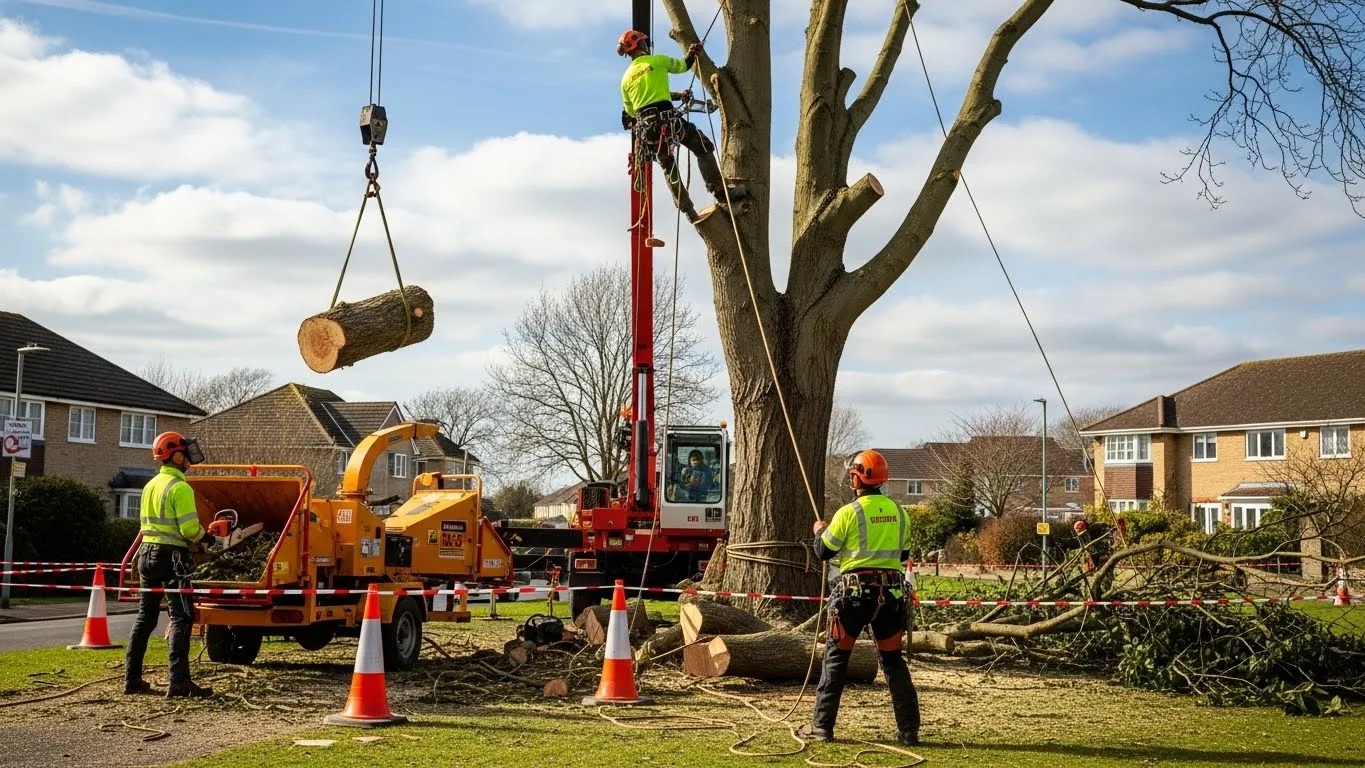
Trees near homes, garages, or septic fields require technical takedowns. Crews climb and lower sections with ropes, adding hours of precision work. This specialized process demands certified arborists and significantly increases labor costs compared to straightforward cuts.
Specialized Tools
Tight spaces may require cranes or aerial lifts. These rentals involve licensed operators and traffic control, adding $500–$1,000 or more. Though costly, specialized equipment ensures safe removal and prevents property damage in challenging North Haven locations.
Utility Line Proximity
Trees within 10–15 feet of power or cable lines pose electrocution risks. Utility companies may need to de‑energize or shield lines. This coordination adds time, complexity, and cost, making proximity to utilities a critical pricing factor. If the tree is near a public roadway, Connecticut law requires compliance, ensuring removals don’t endanger highway safety or public infrastructure.
What Is The True Value Of Stump Grinding And Haul-Away?
Understanding the full scope of a North Haven tree removal project helps prevent cost surprises. Standard quotes usually cover cutting the tree, segmenting the trunk, chipping branches, and debris haul-away. The main add-on that raises the price is stump grinding. Skipping grinding saves $300–$600, but leaves a stump for years.
Stumps pose tripping hazards and attract wood-boring insects like termites. Professional grinding removes the stump and root flares six to eight inches below grade, allowing easy reseeding or planting.
When Is The Best Time Of Year To Schedule The Work?
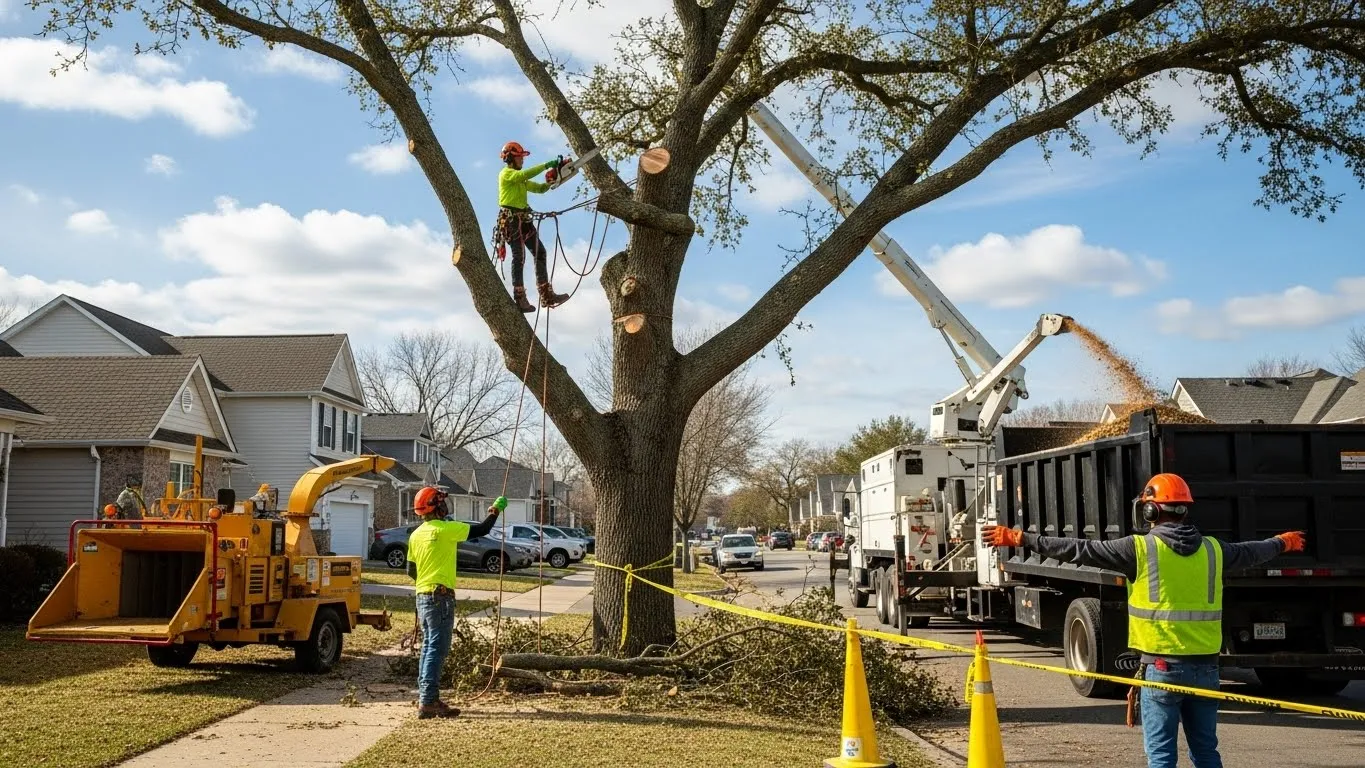
While a hazardous, dying tree should be removed immediately, regardless of the season, scheduling strategically can sometimes lead to lower prices. Tree removal companies are typically busiest in the spring and summer, following storm damage and before the start of landscaping season.
The period from late fall through winter (November to February), especially after the ground freezes in North Haven, often sees companies with lighter schedules. Scheduling during this low-demand window can give you leverage to negotiate a slightly better rate, as crews are eager to keep their equipment and personnel working consistently.
Frequently Asked Questions
It means the company has liability and Workers’ Compensation insurance, protecting you from financial responsibility if a worker is hurt or property is damaged during the job.
Generally, no permit is required for trees on private property. However, confirm with the North Haven town hall if the tree is near a public easement or roadway.
No, a dead or fallen oak is usually more expensive. The instability requires specialized, higher-risk labor and often emergency response, which increases the overall cost.