This post contains affiliate links. As an Amazon Associate, I earn from qualifying purchases, at no extra cost to you. See our disclosure policy.
Raising healthy kids means looking at the whole picture: what they eat, how they move, the environments they play in, and the habits they build early. Parents often focus on teaching nutrition inside the home, but the outdoor environment is also a powerful teacher. Gardens, yards, and small green spaces can spark curiosity, encourage hands-on learning, and give children a deeper appreciation for real food. At the same time, outdoor spaces come with their own challenges, including pests, weather, and hungry wildlife that may make caring for a garden more difficult.
Balancing nutrition education with maintaining a safe, thriving yard doesn’t have to feel overwhelming. With the right approach, families can turn everyday moments from preparing meals to pulling weeds into opportunities for growth and learning. The goal is not perfection but consistency: building small, simple habits that allow kids to feel connected to the food they eat and the world they live in. The strategies below can help create a home environment where nutrition and outdoor responsibility work hand-in-hand, encouraging children to stay curious, active, and aware of how their choices affect their bodies and surroundings.
Teaching Nutrition Through Daily Routines
Nutrition lessons don’t need to come from textbooks or complicated guidelines. Kids learn best when they can see, touch, and taste. Inviting them into daily routines choosing snacks, helping chop vegetables, or even stirring a pot builds confidence and normalizes healthy eating. Many families also weave learning into alternative educational paths, such as home-based study. These approaches work especially well because they allow kids to move at their own pace and explore topics in a more natural way.
As families explore health topics together, some parents use a structured curriculum that includes nutrition topics. With this kind of education, kids will be able to understand how their food choices affect energy, mood, and long-term well-being. Hands-on activities like preparing simple meals or planting herbs reinforce these ideas in meaningful, practical ways. When families begin connecting indoor nutrition lessons with outdoor observation, children start to see the full cycle of food from seed to harvest to plate. This understanding naturally encourages healthier choices and strengthens a child’s sense of connection to the natural world.
Turning the Yard Into a Living Classroom
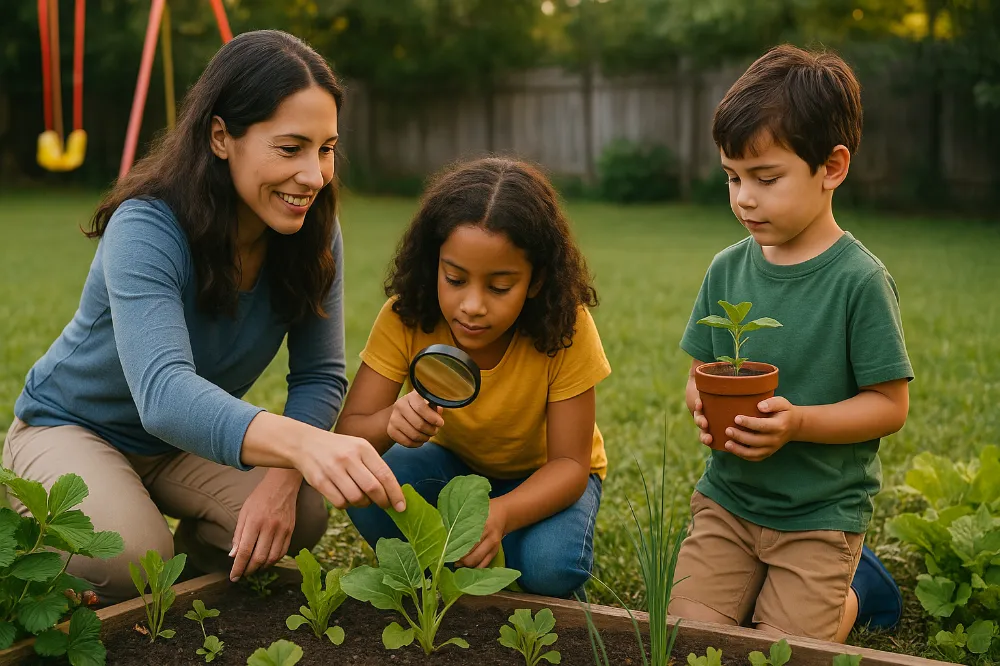
A yard, no matter how big or small, offers endless opportunities for discovery. Even a few pots on a balcony can become a mini-garden that encourages kids to take responsibility for watering, checking soil, and watching for changes each day. Children gain a sense of pride when they see plants grow, and this often translates into more interest in fruits and vegetables. Allow kids to participate in planning the garden. Ask them what they would like to grow or what foods they’ve always wondered about. Lettuce, spinach, strawberries, herbs, and cherry tomatoes are all easy options that offer quick results. Kids are far more likely to eat what they helped plant, making gardening a simple way to support healthier eating habits.
Outdoor learning also teaches patience and problem-solving. Plants may wilt, bugs might appear, or a sudden rainstorm could change the day’s plans. Rather than avoiding these challenges, involve your children in the solutions. Ask questions like, “Why do you think the leaves turned yellow?” or “What could we do to help this plant recover?” This encourages critical thinking while also strengthening their understanding of the natural world.
But while outdoor learning is rewarding, it’s essential to create a yard that remains safe and well-protected. Many families struggle with deer or other wildlife nibbling on young plants or sneaking into gardens. This can be discouraging for children who are proud of their growing vegetables. Learning how to manage these issues through wildlife-safe barriers and other simple deterrent strategies can help maintain enthusiasm while setting realistic expectations.
Encouraging Healthy Habits Through Nature Play
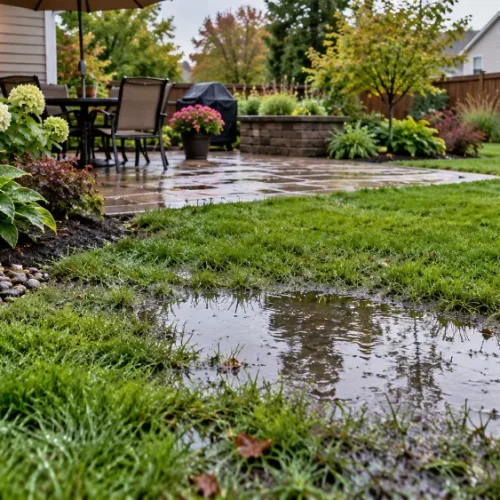
Health is more than nutrition it includes movement, outdoor time, stress management, and creativity. When children spend time outside, their bodies and minds benefit. Playing in the yard allows them to move freely, use their imagination, and experience natural elements like sunlight and fresh air. These experiences support physical development, emotional regulation, and overall well-being. Nature play doesn’t need to be elaborate. Simple activities like collecting leaves, observing insects, jumping in puddles, or arranging stones help children build sensory awareness and appreciate the world around them. When combined with conversations about healthy eating, these activities reinforce a lifestyle that encourages both curiosity and mindfulness.
Parents can help by creating small play zones that motivate kids to explore: a digging area, a simple obstacle course, or a spot for quiet reading. These spaces can exist alongside a garden, allowing kids to transition naturally between active play and gentle learning. Involving children in yard care such as watering plants or cleaning up fallen twigs also builds responsibility and ownership. Over time, kids start building habits that feel less like chores and more like routines that contribute to the home. This sense of belonging strengthens their awareness of how their choices matter, whether that’s choosing a healthy snack or taking care of a young plant.
Creating a Balanced, Kid-Friendly Home Environment
A healthy home environment is not about strict rules or perfect meals. It’s about balance balancing indoor and outdoor learning, structure and play, independence and guidance. When kids learn that caring for their bodies is connected to caring for their surroundings, they begin to understand wellness in a deeper, more meaningful way. Parents can support this by keeping nutrition conversations positive and focused on exploration rather than pressure. Instead of insisting that a child must eat a certain vegetable, try showing them how it grows, how it smells, or how it changes after being cooked. Offer choices, encourage tasting, and let children make discoveries at their own pace.
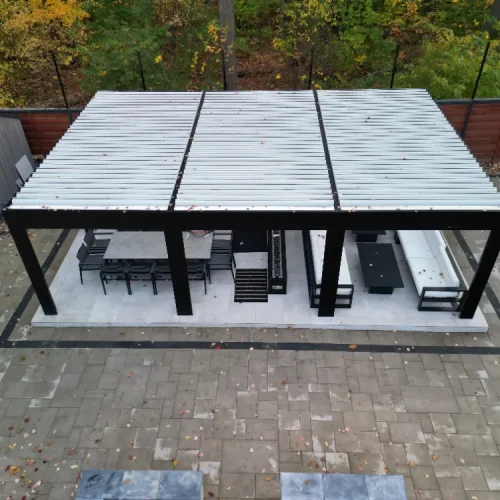
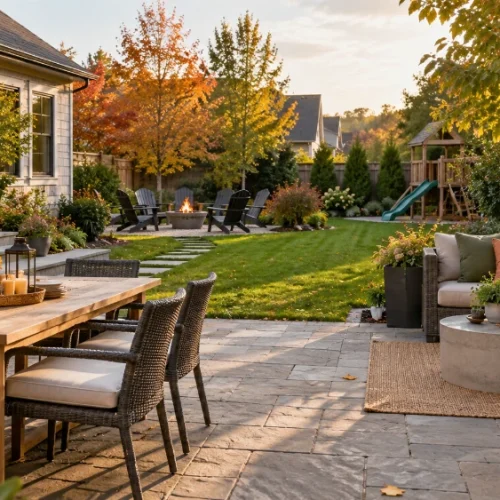
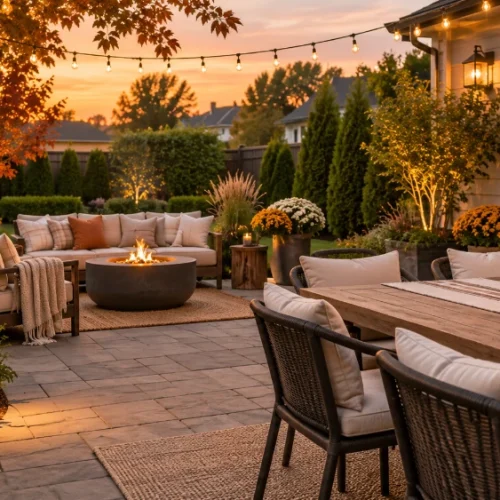
Outdoors, keep the yard inviting and accessible. Add comfortable seating, shade, or a small table where kids can draw, snack, or observe nature. A yard that feels welcoming becomes a natural extension of the home a place where children feel free to wander, wonder, and learn. Most importantly, celebrate small progress. Whether a child tries a new fruit or helps protect the garden from wildlife, these moments build confidence and strengthen healthy habits. Over time, children develop a deeper appreciation for wellness, both in their bodies and in the environment around them.
FAQs
Use daily routines like snack prep, gardening, and simple cooking tasks to make nutrition feel natural and hands-on.
Herbs, lettuce, spinach, strawberries, and cherry tomatoes grow quickly and help children stay engaged.
Kids are more likely to eat foods they helped grow because they feel ownership and curiosity about the process.
Use safe barriers, raised beds, or natural deterrents to protect young plants while maintaining a kid-friendly yard.
Yes outdoor play encourages curiosity and awareness, which makes them more open to exploring healthy foods.
Create clear play zones, maintain walkways, and avoid using harsh chemicals around areas where kids explore.
Offer small, age-appropriate tasks and turn them into routines rather than obligations.
Encourage outdoor movement, imaginative play, sunlight exposure, and quiet nature observation.
Show kids how foods grow, let them taste what they harvest, and talk about how plants become meals.
Introduce foods slowly, offer choices, and let the child explore smells, textures, and colors without pressure.