Ever walk into someone’s house in Austin and wonder how their kitchen somehow feels both vintage and brand new at the same time? The city has a way of making even small upgrades look like curated design choices, not the result of three weekends of YouTube tutorials and one very bad trip to the hardware store. In this blog, we will share how homeowners plan upgrades that are simple, smart, and surprisingly satisfying.
Where Aspirations Meet Paint Samples
People don’t wake up one day and decide to replace their countertops out of pure spontaneity. Well some do, but most of the time, these upgrades come after weeks of low-key dissatisfaction. A cracked tile here. A drawer that sticks. Lighting that makes the kitchen feel like a breakroom from 1993. Eventually, something snaps. The moment arrives. You want better. That first moment of decision is filled with optimism. You picture clean finishes, smooth corners, and better light. What you don’t picture is the trip to four different hardware stores, the measurement mistake that turns into a return, or the paint color that looks fantastic at 10 a.m. but weirdly green under artificial light. Still, simple upgrades can transform a space if you plan them around what actually improves the way you live in your home not just how it looks in a listing photo.
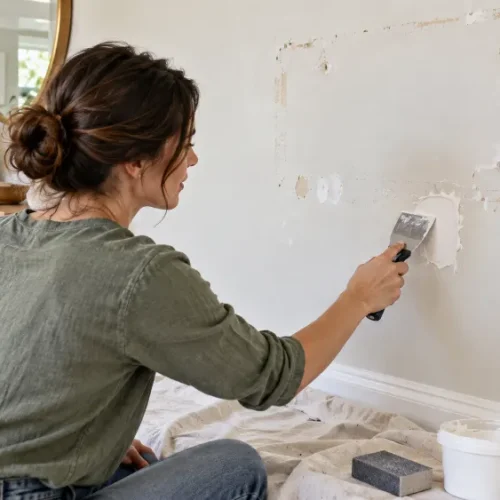
Take painting, for example. It seems easy, right? But people routinely underestimate how long it takes, how fast paint dries in Texas heat, and how quickly enthusiasm fades once the first wall is done. Consider working with a seasoned painting company Austin has several with crews that know the quirks of local homes, weather patterns, and which finishes will actually last through the extremes. This kind of help is especially useful when your “simple” upgrade project starts to feel like a second job. Doing it right doesn’t mean spending more. It means working smarter. A professional can tape cleaner lines, recommend finishes that won’t smudge every time you walk past, and complete the work in a fraction of the time you’d need to do it alone. You’ll get that fresh wall color you wanted without also painting your dog and most of your floor.
When Simple Projects Carry Big Energy
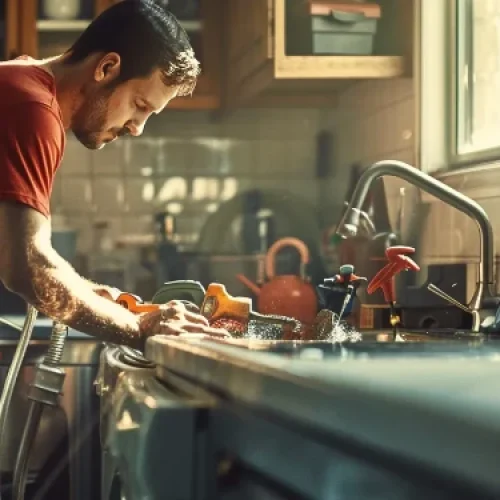
You’d be surprised how often the smallest upgrade creates the biggest change in how people use a room. Swapping out old cabinet hardware can make a tired kitchen feel new. Changing a light fixture in the entryway shifts the whole vibe. Replacing a faucet adds both form and function without demolition dust or plumbing trauma.
And in a time where people are spending more hours at home, these shifts mean more than they used to. Your living space has to work harder now. It’s not just for hosting friends twice a month. It’s your breakroom, your Zoom background, your personal gym, and your place to decompress after doom scrolling through another news cycle. This pressure has changed the way people think about upgrades. There’s a move toward practical aesthetics. It’s not just about a look it’s about making space feel more usable, more flexible, less chaotic. A mudroom bench becomes a shoe-drop zone and a staging area for your next Target return. A hallway shelf becomes both storage and statement. These upgrades don’t scream “renovation.” They whisper, “I’ve thought this through.”
Every Project Has a Quiet Middle Crisis
The plan always sounds good on paper. Then reality steps in. Midway through, you discover the wall you wanted to open up might be load-bearing. Or the floating shelf kit didn’t include the right anchors. Or the “one weekend” project has now entered its second weekend, and your tools are slowly becoming part of the living room decor.
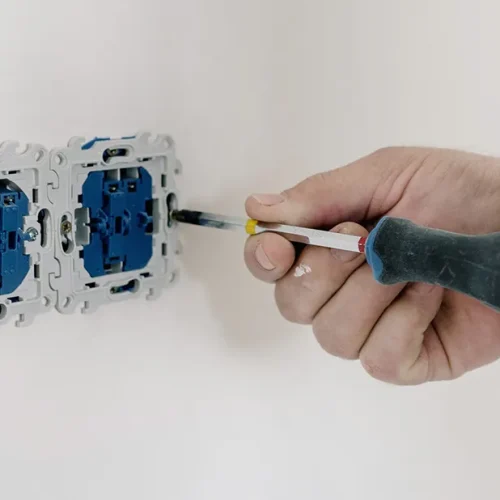
This is where planning saves you. Measure more than once. Know the limits of your budget and your own patience. Not everything needs to be DIY. Watching five videos about grout doesn’t mean you’re ready to re-tile your shower. The goal isn’t to suffer for the project. It’s to improve the space in a way that lasts, that feels intentional, and that doesn’t require a redo in six months. Sometimes it makes sense to outsource. Sometimes, it really doesn’t. But that middle stage where energy dips and doubt creeps in that’s when you either pull through or spiral. Keep the scope tight. Start with changes that can be reversed or adjusted. Swapping out light switch plates is low risk. Knocking out a wall between your kitchen and dining room isn’t.
Trends Fade, Function Stays
Right now, minimalist styles and natural materials are having a moment. Everyone’s leaning into “warm neutrals” and “soft contrast.” But trends come and go. A good upgrade feels relevant today and adaptable five years from now. Choose materials and finishes that wear well, clean easily, and age with grace.
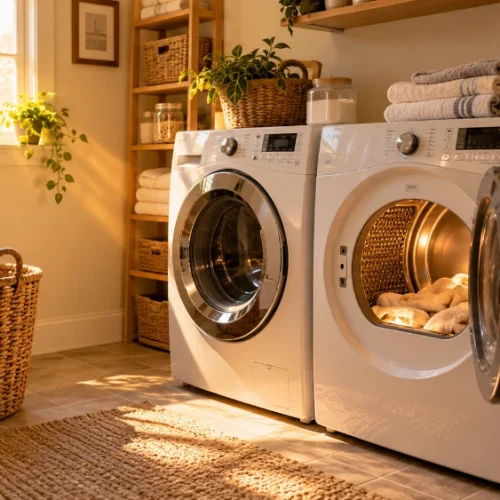
Also, don’t chase resale value on every decision. Yes, some projects will bump your property’s worth. But most people aren’t flipping their house every two years. If you’re going to live with something, prioritize comfort and durability. A quartz counter that’s easy to wipe down beats a marble slab that stresses you out every time someone spills red wine. In tight markets, people are staying put longer. That means your upgrades need to serve you first, not some hypothetical future buyer who may or may not like navy cabinets. A simple, thoughtful change that makes your morning routine smoother or your laundry area less dreadful will have far more impact than a feature wall that trends on TikTok for six months.
One Small Win Can Reset the Whole House
The beauty of simple upgrades is how they build momentum. Paint one room, and suddenly you’re noticing other walls could use freshening up. Swap out one rusted fixture and now the others look outdated. This chain reaction is part of the process. It’s how your home evolves in manageable steps instead of a single, budget-wrecking overhaul.
Start with something achievable. Something you can finish without calling for backup. The sense of completion matters. It builds confidence, gives you perspective on what to tackle next, and let’s be honest makes the place feel a little more like your own.
Home upgrades, even the small ones, say something about how you live and what matters to you. They’re a response to daily friction, to lived experience, to that one drawer that always sticks and reminds you the house still needs work. And while no single fix will make your home perfect, a series of simple, well-planned upgrades can make it feel more functional, more welcoming, and more yours. Which, at the end of the day, is the real goal.
FAQs
Begin by identifying the areas that cause daily friction and prioritize upgrades that improve function, not just appearance.
List materials, tools, and potential labor costs, then add a buffer for unexpected expenses.
Yes if the project is low-risk, reversible, and matches your skill level. Avoid complex tasks like plumbing or structural changes.
Measure carefully, research materials, and never rush decisions involving finishes or paint colors.
If the task affects safety, structure, or requires specialized tools, hiring a pro ensures durability and clean results.
Painting, new hardware, updated lighting, and faucet replacements often deliver dramatic improvements.
Many take a weekend, but timelines extend if materials run out, measurements are off, or prep is underestimated.
Opt for finishes that hold up in heat and humidity, and consider consulting local painting companies familiar with regional conditions.
Pause, reassess the scope, break it into smaller steps, or call a professional if the project is out of your skill range.
Even one completed upgrade boosts momentum, making the home feel more personalized, functional, and enjoyable.