Ever try finding a contractor during peak season in New York, only to realize everyone else on your block had the same idea and got there first? In this city, a home improvement project feels less like a task and more like a competitive sport. In this blog, we will share what every homeowner should know before starting an improvement project.
Damage Can Hide Where Style Doesn’t Reach
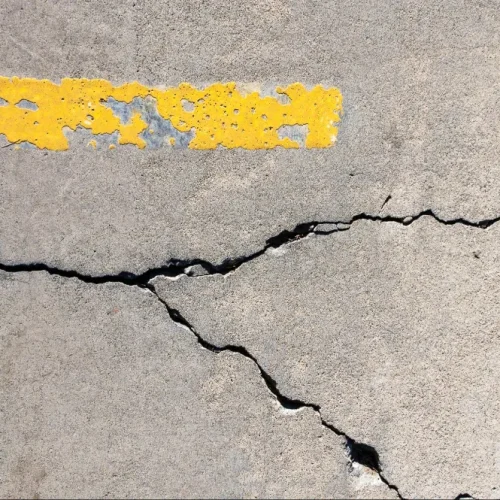
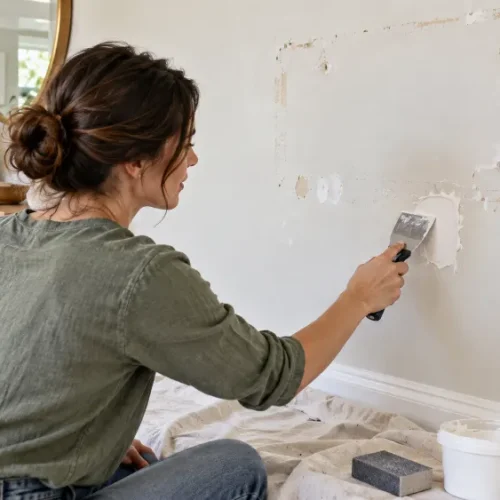
There’s nothing trendy about fixing water damage, but skipping it to chase cosmetic upgrades is the fastest way to waste your money. When you open up a ceiling, pull back insulation, or rip out flooring, what you find underneath often matters more than whatever you planned to install. Moisture, mold, rot, and structural damage aren’t Instagram-worthy, but they can shut down your timeline faster than a snowstorm in March. This is especially true in older buildings or areas hit hard by recent storms. In coastal zones and river-adjacent properties, flooding has become more frequent and less predictable. And once water finds its way in, it doesn’t always leave quietly. It sits. It soaks. It settles into places no one looks until there’s a reason to.
If you’re looking for professionals that specialize in water damage cleanup New York has companies who understand the stakes. They don’t just remove moisture they prevent further decay, track the origin, and check for long-term impact on wood, wiring, and air quality. Having them assess the situation before you close walls or finalize designs is smarter than waiting for a musty smell or a sagging beam to force your hand. When the structural stuff is handled first, the stylish upgrades actually last. Skipping this step to save money only guarantees you’ll spend twice later once to undo the damage, and again to redo what you thought was finished.
The Plans You See Aren’t the Plans You Get
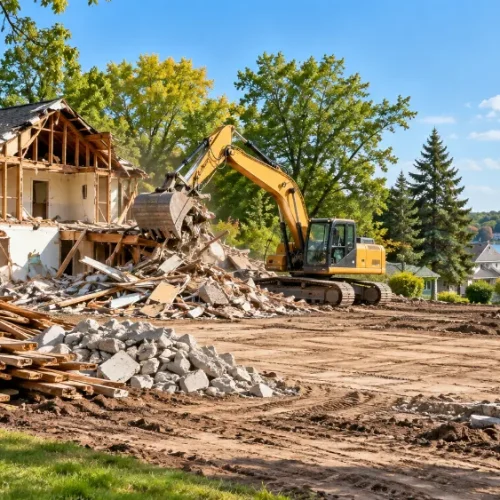
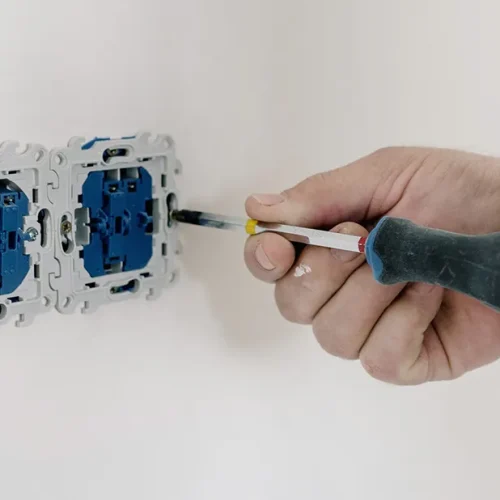
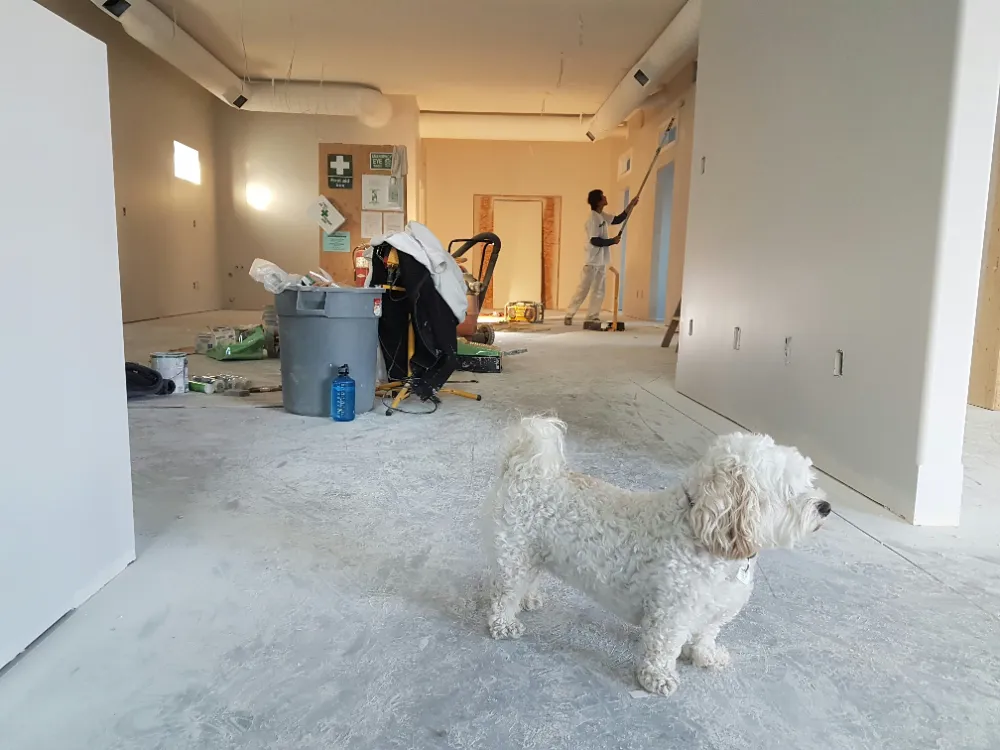
Every improvement project begins with optimism. You browse inspiration photos, sketch out a layout, and convince yourself the budget will hold. But projects don’t live on paper they live in walls, floors, foundations, and supply chains that don’t care about your timeline. Contractors, architects, and inspectors will all have their say, and what starts as a kitchen remodel often balloons into a discussion about permits, rewiring, and asbestos from the 1980s that no one warned you about. Building codes shift. Material prices spike. And sometimes, the thing you planned to improve leads you to something more urgent hiding behind drywall.
This is where flexibility matters more than vision. The most successful projects are led by homeowners who treat their plan as a framework, not a contract with the universe. They build in buffers for time, for cost, for delays that come from nowhere and linger without apology. They understand that the goal isn’t just finishing the project. It’s finishing it without losing sleep or savings over the things no one could predict. Renovation doesn’t just test your budget it tests your temperament. The goal isn’t perfection. It’s progress that makes sense in real life.
Permits Aren’t Optional and Neither Are Neighbors
In most cities, trying to sneak past permit requirements is a gamble. In New York, it’s a public affair. Renovation noise, scaffolding, dumpsters none of it stays quiet. Eventually, someone complains. And if the work wasn’t filed correctly, you’re not just dealing with fines. You could be forced to undo the progress entirely. Understanding your local building codes before you start isn’t just a bureaucratic formality it’s part of the job. That includes historic district rules, zoning limits, and whether your upgrade accidentally violates fire codes or setback requirements.
And while we’re at it, be realistic about how your project affects the people around you. Shared walls, shared sidewalks, shared frustration. Your neighbor doesn’t care that your new HVAC unit is eco-friendly if the installation blocks their fire escape for a week. A well-handled improvement project communicates early, works cleanly, and respects both legal and social boundaries. It avoids conflict by planning for impact not pretending it doesn’t exist.
Scope Creep Is Real So Write Everything Down
No matter how detailed your plan, there will be changes. You’ll discover better materials, decide to extend the footprint, or realize halfway through that if you’re already tearing up the floor, maybe you should upgrade the plumbing, too. These changes are fine. What’s not fine is trying to remember what was agreed to, when, and for how much.
Every decision should live in writing. Email, text, quote sheet whatever works, as long as it’s timestamped and clear. Changing scope without tracking cost, labor, or time turns projects into financial quicksand. You think you’re just adding a few recessed lights, but the bill says you upgraded your entire electrical panel and rescheduled inspections in the process. Documentation protects everyone. It gives you leverage if a contractor flakes, and it gives them clarity when you inevitably forget what you asked for three weeks ago. It turns chaos into sequence. Clarity keeps you in control. Guesswork doesn’t.
Function Still Beats Flash
Pinterest boards, influencer walk-throughs, magazine spreads they’re fun. But they don’t have to drive every decision. What looks amazing in a staged kitchen with zero kids and endless storage might not make sense in a 900-square-foot apartment where your laundry room shares space with the cat’s litter box. Every choice should answer a question: Does this improve how we live here? Fancy tile that chips. Open shelving in a dusty building. Touchscreen faucets you’ll never program. Features that get in your way aren’t features. They’re clutter wearing makeup.
Good home improvement isn’t just what sells. It’s what lasts, what functions, and what fits your actual life. A well-lit hallway, better insulation, durable flooring these matter every day. You use them more than the imported glass backsplash or accent wall that seemed like a good idea until it started collecting grime.
A home improvement project doesn’t have to be a leap of faith. But it should be an informed decision. One made with real information, reliable help, and enough flexibility to handle whatever you find behind the walls. The goal isn’t just to finish. It’s to live better afterward. And that only happens when you take care of what you can’t see first, plan like you’ll be interrupted, and work with people who care about the outcome as much as you do. Homeownership is already unpredictable. Your improvement project doesn’t have to be.
FAQs
Because issues like moisture, mold, or structural damage can derail your project and cost far more if ignored at the start.
Yes experts can identify the source, prevent further deterioration, and ensure the structure is safe before rebuilding.
Hidden conditions, code requirements, availability of materials, and structural surprises can all push the project in new directions.
A 10–20% contingency is common, giving you room for unexpected costs without financial stress.
Many cities require them even for moderate upgrades; skipping permits can result in fines or forced removal of completed work.
Communicate early, warn them about noise or restricted areas, and make sure your contractor keeps the site clean and compliant.
It’s when new tasks or upgrades get added mid-project, increasing cost and time if not documented carefully.
Record every change in writing emails, texts, or updated quotes to avoid confusion and protect both sides.
Trends can inspire, but functionality, durability, and daily usability should always come first.
Plan with flexibility, expect surprises, hire reliable professionals, and focus on long-term livability instead of perfection.