Expensive home repairs rarely come out of nowhere. Most start as small, fixable issues that grow quietly over time. A few simple home improvement habits can keep those problems from getting traction, especially in Austin, where hot summers, sudden storms, and day-to-day HVAC use put steady pressure on a home.
The goal is not perfection. The goal is consistency. When you build a short routine and stick with it, you protect your budget, your comfort, and your home’s long-term value.
Do a Quick Monthly “Walk-Through” Check
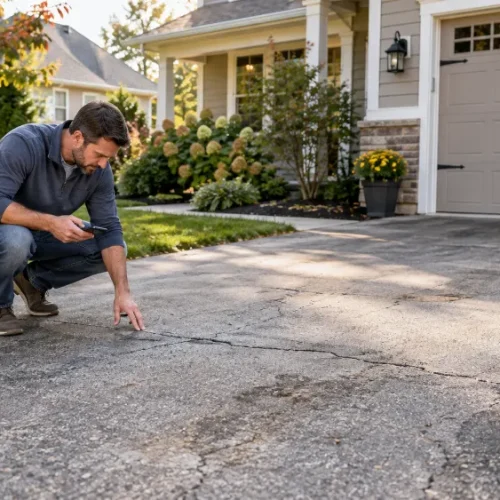
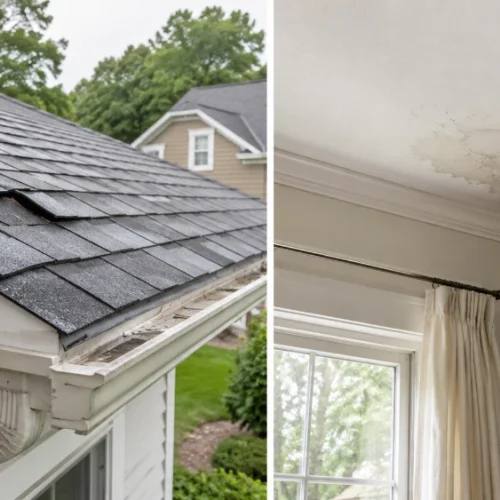
A monthly walk-through is one of the easiest ways to avoid costly repairs because it builds awareness. Small changes stand out when you look for them on purpose. Start indoors and move room to room. Look at ceilings and corners for discoloration, bubbling paint, or a faint yellow ring that hints at moisture. Check under sinks for damp cabinet floors, slow drips, or a musty smell.
Shift attention to doors and windows next. Drafts, sticking, or swelling around frames can signal gaps, humidity issues, or settling. Head outside and scan the siding and trim for cracks, peeling paint, or exposed wood. Walk the perimeter and check the soil near the foundation. Water that pools close to the house is never a good sign.
Stop Water Damage Before It Spreads
Austin weather can shift quickly, and sudden storms can expose weak spots in plumbing and drainage. Water damage becomes costly fast because moisture spreads quickly and hides behind walls, under floors, and inside cabinets. Treat slow drips and damp spots as urgent, not a later task. Inspect supply lines under sinks and behind dishwashers and washing machines for wear, cracking, or corrosion.
Check around shutoff valves for moisture and confirm they turn smoothly. Drainage is just as important gutters and downspouts should direct water away from your home to prevent pooling near walls. If problems persist or damage seems extensive, professional help may be needed. If you’re looking for water damage restoration Austin has several local companies that can respond quickly, assess the damage, and help restore your property safely.
Change Air Filters and Keep Your HVAC Breathing Easy
HVAC strain is one of the most common paths to expensive repairs in a warm climate. Dirty filters restrict airflow, which forces the system to work harder and longer. Fresh filters support consistent airflow, improve comfort, and reduce wear on key components.
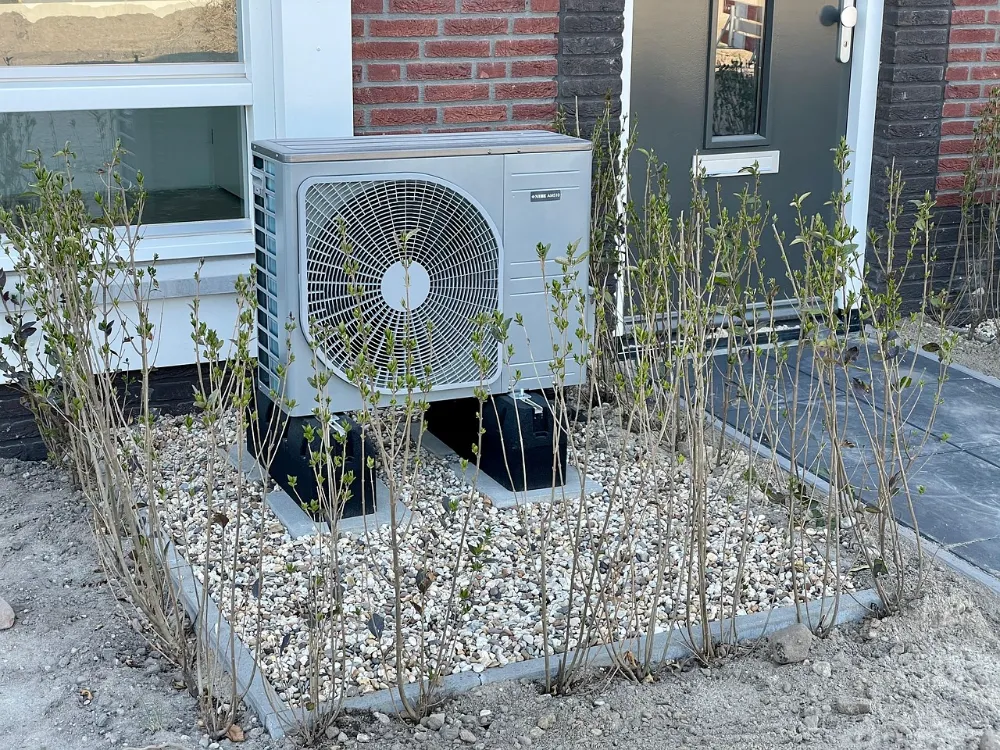
Put filter changes on a simple schedule and stick to it. Homes with pets, construction nearby, or higher dust levels usually need more frequent replacements. Vents also deserve attention. Furniture and rugs that block registers can create uneven pressure, which affects performance and comfort. Outdoor condenser units need space and cleanliness, too.
Clean Gutters and Inspect the Roofline Before Problems Spread
Gutters and roof edges handle water control for the whole structure, so neglect here gets expensive fast. Clogged gutters overflow, soak fascia boards, and push water into places it should never reach. A simple cleaning routine, especially after storms, keeps drainage predictable.
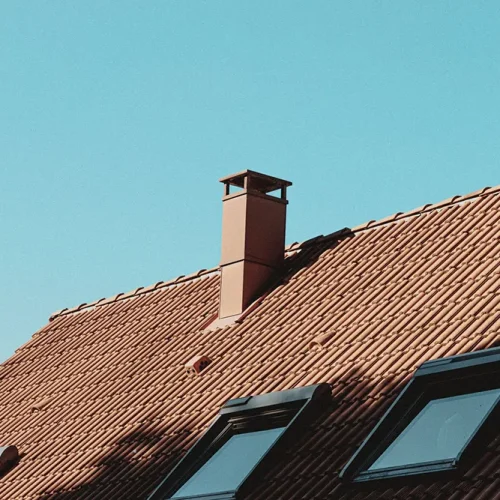
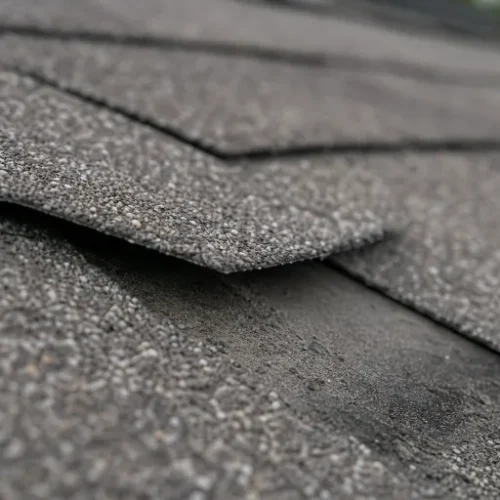
Look for sagging gutter sections, loose brackets, and corners that leak during rain. Downspouts should extend water away from the home. A quick roofline scan also helps. Missing or lifted shingles, damaged flashing, and piles of debris can lead to slow leaks that show up later as ceiling stains or soft drywall.
Seal Gaps and Maintain Caulk and Grout
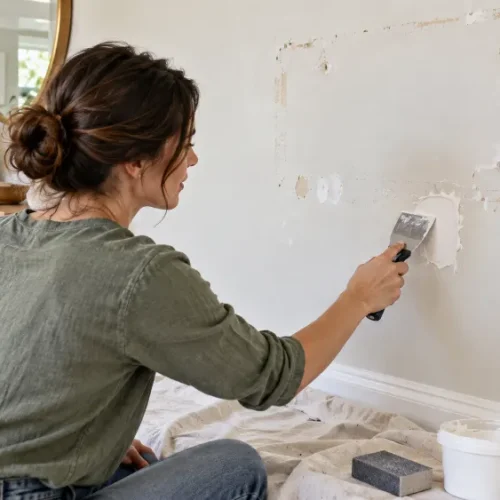
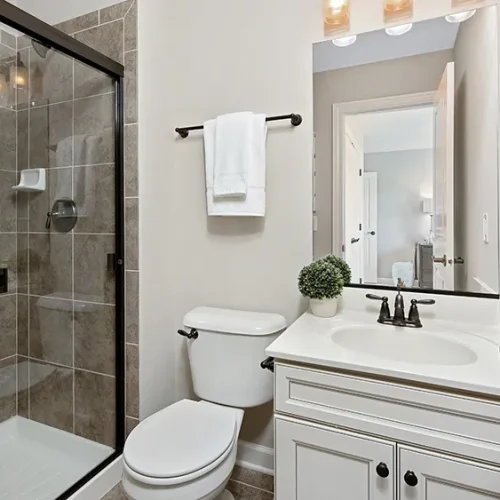
Caulk and grout look small, yet they protect some of the most vulnerable areas in a home. Bathrooms, kitchens, and window frames handle daily moisture, so cracked seals become gateways for hidden damage. Focus on shower corners, tub edges, sink backsplashes, and any spot where water regularly collects.
Old caulk should come out before new caulk goes in, since messy layering fails quickly. Grout lines that look crumbly or porous need refreshing to keep water from seeping behind tile. Bathroom ventilation plays a role as well. Run the exhaust fan during showers and keep it running long enough to clear the humidity.
Monitor Foundation-Friendly Watering and Soil Movement
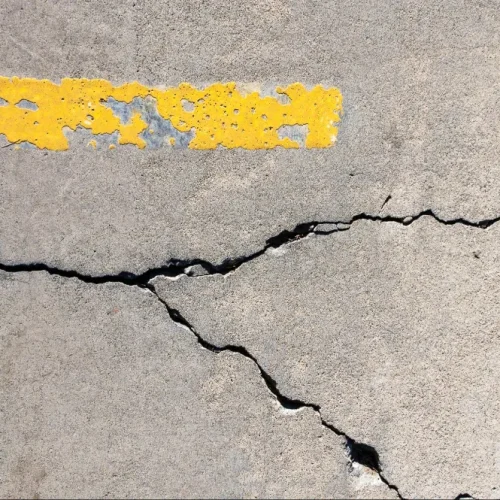
Foundation problems feel intimidating, yet the habits that help are surprisingly straightforward. Soil expands and contracts as moisture levels change, and that movement can stress a home over time. Keep watering consistent during dry stretches, especially around the perimeter of the home.
A slow, even approach supports stability. Watch where water lands, since puddling right next to the house can create a different set of issues. Downspouts should carry runoff away, and landscaping should encourage water to flow outward rather than back toward the slab.
Treat Wood, Paint, and Exterior Surfaces Like a Protective Layer
Exterior surfaces do more than look nice. Paint, sealant, and intact trim act as a barrier that keeps moisture and pests out. Once wood becomes exposed, it absorbs water quickly, then swells, softens, and breaks down. Repairs get pricey when rot spreads behind trim and siding.
Walk the exterior a few times a year and take peeling paint seriously. Touch-ups prevent water from reaching bare wood and save you from bigger sections needing replacement later. Trim corners, window edges, and areas near hose spigots deserve extra attention, since water often collects there.
Stay Ahead of Small Plumbing and Appliance Issues
Appliances and fixtures often give subtle warnings before they fail. A good habit is to treat small leaks, odd noises, and performance changes as signals worth following. Washing machine hoses, dishwasher connections, and refrigerator water lines are common trouble spots. A quick inspection can catch cracks, loose fittings, or corrosion before a major leak happens.
Dryer vent maintenance also belongs on the prevention list. Lint buildup reduces performance and increases fire risk, so vent cleaning is a smart routine, not an optional chore. Water heaters deserve basic care as well. Sediment buildup can reduce efficiency and shorten the life of the unit, so periodic draining or a professional flush can help. FAQsA well-maintained home stays affordable because problems get handled early, before they spread into walls, systems, and structural components. These habits work best as a simple routine you can repeat without thinking too hard about it: a quick monthly check, steady water control, basic HVAC upkeep, and regular exterior maintenance.
Keep notes, fix small issues promptly, and bring in qualified professionals when a problem looks bigger than expected. Over time, those small choices add up to fewer surprises, lower repair costs, and a home that feels easier to live in.
FAQs
A monthly walk-through is enough to spot early signs of leaks, cracks, drafts, and other issues before they grow.
Look for discoloration, musty smells, bubbling paint, or dampness under sinks and around plumbing fixtures.
Most homes need a new filter every 1–3 months, but homes with pets, dust, or allergies may need more frequent changes.
Clogged gutters cause water overflow that damages fascia, siding, and foundations, making simple cleaning extremely cost-saving.
Maintain steady soil moisture, avoid puddling near the slab, and direct downspouts away from the home.
Replace it whenever it cracks, pulls away, or becomes porous especially in bathrooms, kitchens, and around windows.
Change filters regularly, keep vents clear, and ensure outdoor condenser units have room to breathe.
Touch up peeling paint, seal exposed wood, check trim, and clear debris from roof edges to keep moisture and pests out.
Even slow drips can cause hidden rot, mold, and structural damage if they spread into walls or flooring unnoticed.
Any time a leak spreads, structural elements are affected, or the issue worsens quickly early expert help prevents bigger costs.