Packing for college is chaotic. You’re trying to decide if you really need that mini waffle maker, pulling half your closet into a suitcase, and attempting to feel like an organized adult even though you’re already overwhelmed. But amid all of that, one category almost always gets ignored until it becomes a full-blown crisis: documents. The extremely important, not-at-all-exciting papers that can either make your semester smooth or send you spiraling into administrative chaos. I learned this the hard way when I walked into the campus health center sick, exhausted, and completely unprepared my insurance card was sitting comfortably at home. Never again. So here’s a personal, honest guide to every document that truly matters and why you’ll want it on campus from day one.
Government-Issued Identification
Your government ID feels like the one thing no one should forget, yet people forget it all the time usually during move-in week, when everything is hectic and you’re running on zero sleep. Whether it’s a driver’s license, state ID, or passport, you’ll need something official to identify yourself. Colleges ask for ID constantly: picking up packages, verifying identity at testing centers, opening bank accounts, and even attending certain campus events. International students, especially, need to keep passports and visa paperwork secure at all times. Make copies, keep a digital backup, and give your ID a designated home so you don’t misplace it between dorm snacks and textbooks.
Your Social Security Number and Card
You don’t need to carry your Social Security card around campus—honestly, never do that—but you do need the number memorized or stored securely. Every campus job application will ask for it, financial aid offices may verify it during reviews, and certain off-campus housing applications require it too. The actual card should stay locked away in something fireproof or tamper-resistant. Knowing your number sounds simple, but when you’re standing in front of a new employer with paperwork in hand, you’ll be grateful you didn’t have to call home in a panic.

Health and Insurance Records
There is nothing quite like sitting in an urgent care waiting room and realizing you cannot answer basic questions about your health insurance. Bring your insurance card, immunization records, allergy information, and any documentation related to ongoing conditions. Colleges often need proof of vaccinations before you move into your dorm, and some even require it for class registration. If you want to understand why immunization documentation is so important, the Centers for Disease Control and Prevention (CDC) explains it clearly through resources like this official page. Keep everything together in a folder and store a digital version on your phone. When you’re sick and foggy, having everything ready will feel like a gift from your past self.
Financial Aid Papers
Even after you arrive, financial aid remains an ongoing adventure. Something always needs to be clarified, corrected, or verified. Keep copies of your FAFSA submissions, loan agreements, scholarship letters, and any correspondence from your school’s financial aid office. If a billing issue pops up and trust me, it will happen eventually having your own records makes the conversation ten times easier. Understanding your award details also helps you track changes each year, especially if you’re relying on renewable aid. Keep it all stored together so you never scramble when deadlines approach.
Banking and Payment Info
If you plan to open a local bank account or start working shortly after arriving, bring your banking documents: account numbers, routing numbers, and debit card information. You’ll also need banking details for direct deposit if you’re working on campus. Many students forget this during job onboarding and end up waiting an extra pay cycle to get their first paycheck. And while you’re thinking about it, make sure your bank knows you’re moving so your card doesn’t get flagged the first time you buy overpriced campus coffee.
Housing and Move-In Documents
Dorm living may feel casual, but your housing contract is legally binding. Bring everything related to your room assignment, including the contract, move-in guide, and any communication from your housing office. On move-in day, take photos of your room from top to bottom scuffs on the wall, broken blinds, mysterious carpet stains all of it. These photos protect you later during move-out inspections. When your housing office claims “new damage,” you’ll have proof that the dent in the desk was definitely not your doing. Keep your contract somewhere accessible so you can reference rules about guests, prohibited items, and maintenance requests whenever needed.
Academic Records
You don’t need to bring your entire high school past with you, but you should bring anything that affects your college academic life. Your final transcript, AP or IB score documentation, placement test results, and transfer credit evaluations all belong in your folder. Advisors often ask about past coursework during class scheduling sessions, and having the documents handy helps you avoid accidentally retaking something you already earned credit for. If you require disability-related accommodations, bring every official letter colleges will not reissue them without proper documentation. Staying organized here saves a lot of time and confusion.
Car Documentation
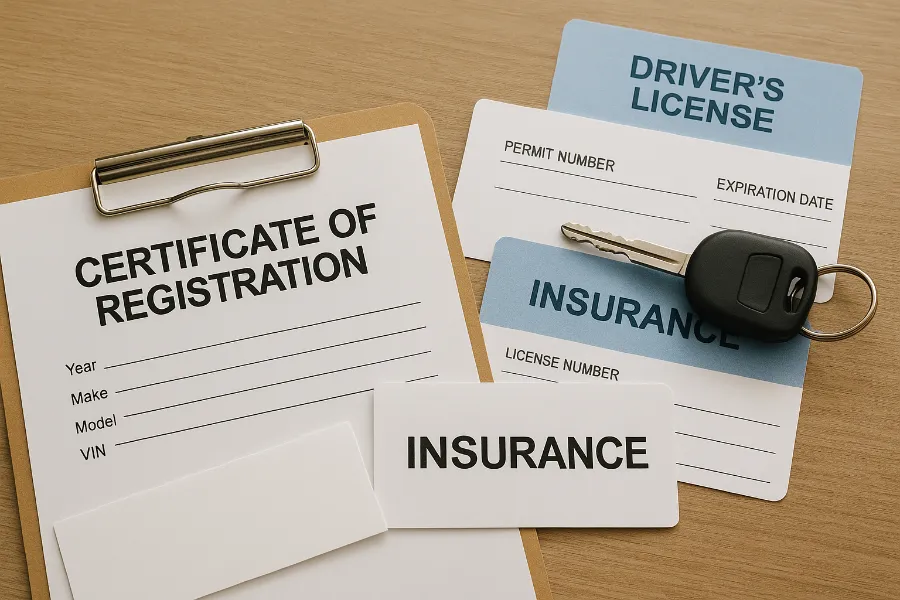
If you’re bringing a car with you, congratulations—you now own a mobile responsibility. Bring your registration, proof of insurance, parking permit documentation, and a copy of your driver’s license. College parking offices are notoriously strict, and having your documents ready prevents unnecessary tickets or towing drama. It also helps during any disputes. Store everything in your glove compartment and keep digital copies somewhere secure. A dead battery or minor accident becomes much easier to handle when you’re not digging through piles of clothes in your dorm trying to find your insurance card.
Technology and Device Information
You don’t need to pack user manuals, but you should bring serial numbers, warranty information, and any protection plan details for your laptop and phone. Laptops somehow always break during midterm week, and repair centers need that info before they’ll help you. Also bring your two-factor authentication backup codes; campus Wi-Fi has a habit of disconnecting you at the worst possible times. When you can’t log into your own email due to a missing verification code, frustration hits fast.
Employment Documents
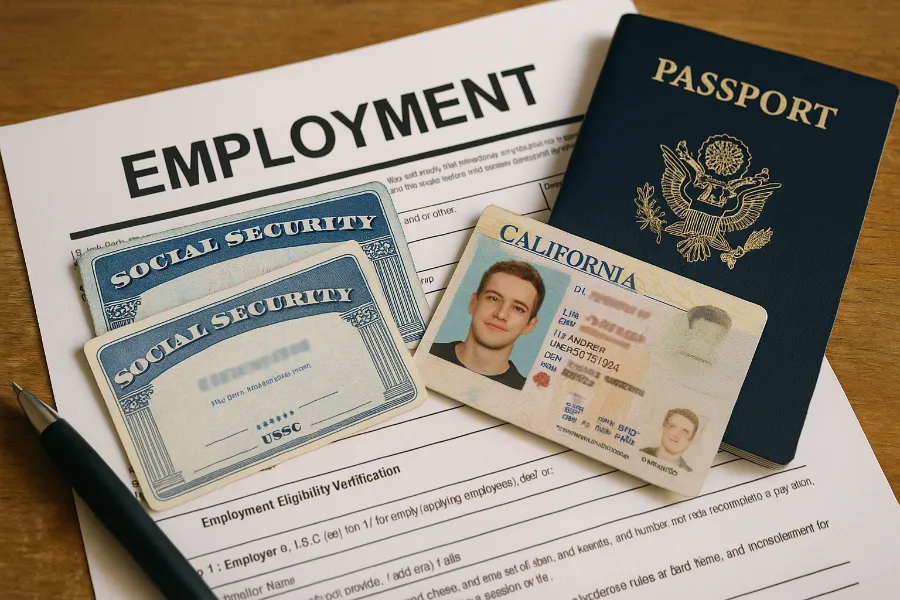
Campus jobs are great for building experience and boosting your budget, but you’ll need to bring the right documents before you’re allowed to start. Identification and your Social Security number are the big ones. Some jobs may ask for enrollment verification or other employment-related forms. The faster you provide these, the sooner you get hired and the sooner you get paid.
Personal Records You Might Overlook
Some documents aren’t used often but become priceless when you need them. A copy of your birth certificate, for example, can resolve a surprising number of identity questions. Legal paperwork, medical directives, or residency documents should also come with you if they apply. These aren’t everyday items, but dorm life is unpredictable, and having these documents accessible makes emergencies far easier to navigate.
How to Store Everything Without Losing Your Mind
Dorm rooms naturally lean toward organized chaos. To keep your documents safe, use a fireproof pouch or sturdy folder and never let it wander outside your room. Back up every document digitally in a secure location, and let one trusted person know where you keep everything in case of emergencies. Think of it as creating a “life file” something that follows you through college and adulthood.
Why These Documents Really Matter
It’s easy to downplay paperwork as something you’ll deal with “when the time comes,” but college pushes you into adulthood faster than you expect. These documents support your ability to get medical care, secure jobs, travel, manage financial aid, resolve disputes, and handle emergencies. They allow you to operate independently and confidently. And honestly, when your friends are panicking because they lost a form or missed a deadline, you’ll feel incredibly prepared knowing your documents are exactly where you left them.
Final Thoughts
Essential documents aren’t glamorous, but they’re the backbone of adulting especially in college. Pack them intentionally, store them securely, and treat them like the quiet little guardians of your sanity. Years from now, when you’re helping someone else pack for school, you’ll probably find yourself passing down this exact advice. And maybe, just maybe, you’ll smile thinking about how prepared you were.
FAQs
Bring your ID, insurance card, academic records, financial aid papers, and essential personal documents.
No, but you should know the number and keep the card stored safely if you bring it.
A copy is helpful for identity verification, but keep it stored in a secure place.
Most schools require them for enrollment, campus housing, and public health compliance.
Yes, paper or digital copies help resolve billing or aid issues quickly.
Yes, if applicable. They’re useful for identity verification and administrative needs.
No, only bring car documents if you plan to bring or register a vehicle.
Keep digital copies of device serial numbers, warranty details, and backup login codes.
Yes, some colleges require it for advising or confirming credit transfers.
How should I store all my important documents in my dorm?