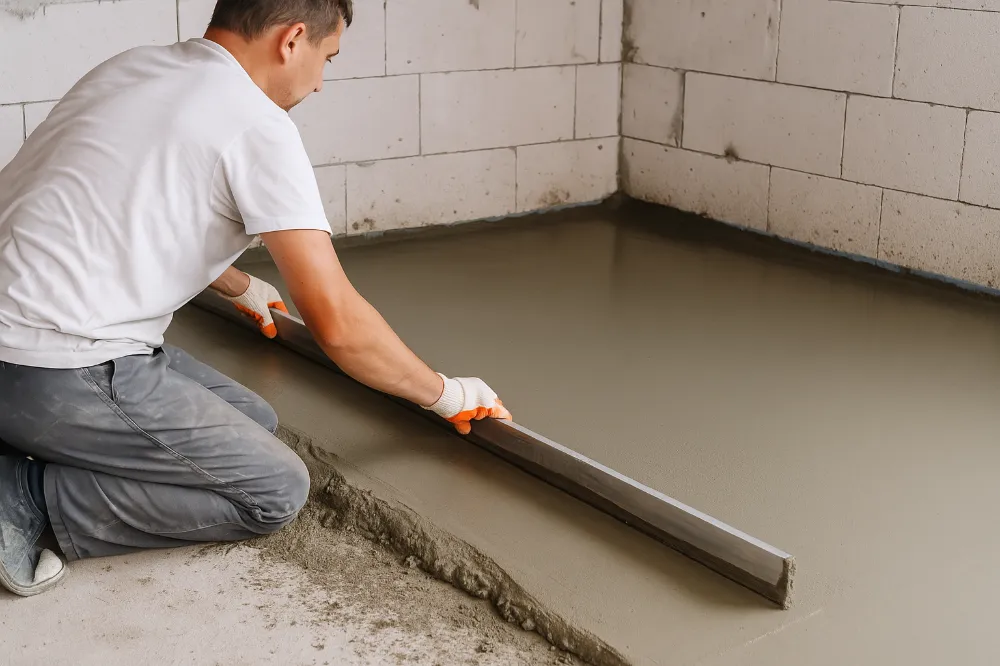
Renovation projects are exciting opportunities to refresh a space, improve functionality and enhance the overall aesthetic of a property. Whether it involves updating a home, transforming a commercial property or creating a bespoke interior, achieving a flawless finish is one of the most important goals. While careful planning, design and quality materials are all essential, the techniques and processes used during the finishing stages often determine the true quality of the completed project. A smooth, even surface and expertly executed details are what give any renovation that professional, polished look.
One of the key elements in achieving a flawless finish is proper preparation of floors, walls and surfaces before applying the final layers of flooring, paint or coverings. In many cases, the foundation for success begins with floor preparation. Using professional services such as floor screeding in Essex ensures that surfaces are level, durable and ready to receive the final finish. Screeding not only provides a smooth base but also contributes to the longevity of the flooring material applied on top. Many homeowners and contractors find that investing in proper floor preparation saves time and avoids issues such as uneven surfaces, cracks or poor adhesion later in the project.
A flawless renovation finish is not just about appearance. It also affects the performance and lifespan of the property. Uneven or poorly prepared surfaces can cause tiles to crack, carpets to bulge or paint to peel. Attention to detail in the early stages ensures that the work performed in later stages is effective and long lasting.
The Importance of Surface Preparation
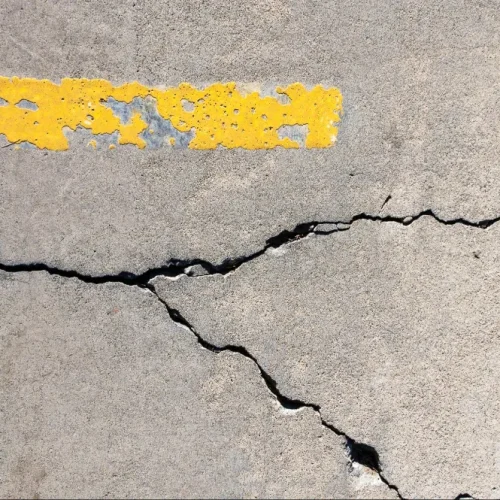
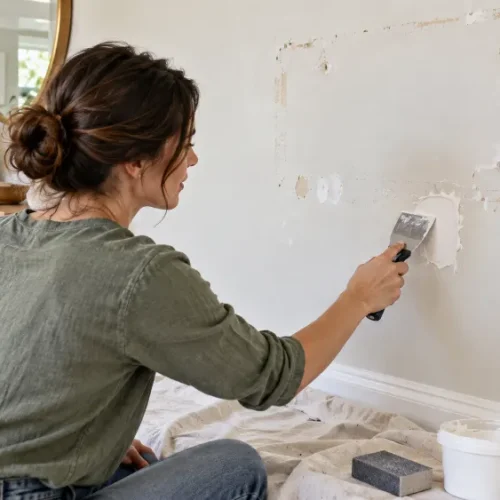
Before any finishing work begins, it is vital to prepare surfaces correctly. This stage forms the foundation of the entire renovation and directly impacts the quality of the result. Proper preparation includes removing debris, filling gaps or cracks, levelling uneven areas and ensuring that surfaces are dry and clean. Without this step, even the highest quality materials can fail to deliver a professional outcome.
Key Benefits of Proper Surface Preparation
- Ensures a level and stable base for flooring, tiles or coverings
- Prevents cracks, bumps and uneven areas from appearing over time
- Improves adhesion of finishes, reducing maintenance needs
- Enhances the overall appearance and professionalism of the project
In addition to these benefits, correct preparation also contributes to safety. Uneven floors or improperly finished surfaces can pose trip hazards or lead to long term wear and tear on furnishings and fittings.
Floor Screeding: The Foundation of a Perfect Finish
Floor screeding is a technique used to create a smooth, level base on which the final floor covering is applied. It is particularly important in both residential and commercial renovations, where precise measurements and durability are essential.
Why Screeding Matters
Screeding serves several purposes:
- Provides a flat and even surface for tiles, carpets, wood or vinyl
- Helps to improve the structural integrity of the floor
- Ensures that final finishes are applied smoothly and evenly
- Reduces the likelihood of cracks or uneven settling over time
Using high quality materials and professional application techniques ensures that the screed is consistent in thickness and free from imperfections. This forms the backbone of a high quality renovation project.
Choosing the Right Screed Mix
Selecting the correct screed mix is crucial for achieving a flawless finish. There are different types of screed, each designed for specific applications:
1. Standard Cement Screed
This is the most common type, suitable for most residential floors. It provides a strong and durable base for a wide range of finishes.
2. Fast Drying Screed
Ideal for projects with tight timelines, this screed dries quickly while maintaining strength, allowing subsequent work to begin sooner.
3. Polymer Modified Screed
Enhanced with polymers, this screed offers increased flexibility and adhesion, making it suitable for high traffic areas or challenging substrates.
4. Self Levelling Screed
Self levelling screeds are designed to flow easily and settle into a perfectly flat surface, reducing manual labor and achieving a smooth finish with minimal effort.
Each mix has advantages depending on the type of renovation and the floor covering to be applied. Consulting with experts ensures the right choice for the specific project.
Techniques for Achieving a Flawless Finish
Even with the right materials, achieving perfection requires skilled techniques and attention to detail. Some key steps include:
Surface Cleaning and Priming
Before applying screed, the substrate must be clean, dry and free from dust or debris. Priming the surface helps improve adhesion and reduces the risk of cracking.
Accurate Leveling
Using laser levels, straight edges or guides ensures the screed is applied evenly across the entire surface. This step is vital for large areas or spaces where precise measurements are required.
Correct Mixing and Application
Screed must be mixed in the correct proportions and applied carefully. Professional contractors ensure consistent thickness and smooth spreading to avoid imperfections.
Proper Curing and Drying
Allowing the screed to cure fully is essential. Rushing this stage can lead to cracking or uneven surfaces. Environmental factors such as temperature and humidity must be monitored to achieve optimal results.
Additional Tips for a Professional Finish
- Plan the workflow carefully: Ensure that all preparatory work is complete before applying screed or finishes
- Use quality tools: Smooth trowels, mixers and levels improve accuracy and reduce imperfections
- Consider underfloor heating: If installing underfloor heating, ensure the screed type is compatible and that installation guidelines are followed
- Work with experienced professionals: Skilled contractors provide consistency and expertise that significantly improves results
Benefits of a Flawless Finish
A renovation with a perfectly finished floor and surfaces provides long term advantages:
- Enhanced aesthetics: Smooth, even surfaces elevate the look of the entire property
- Durability: Well prepared floors and surfaces last longer and withstand daily wear
- Efficiency: Proper preparation reduces the need for repairs and maintenance
- Value: High quality finishes increase property value and appeal to potential buyers
Investing time and attention into achieving a flawless finish ensures that the renovation is both beautiful and functional for years to come.
Conclusion
Achieving a flawless finish in any renovation project is about more than just appearance. It requires careful planning, skilled techniques and high quality materials. Floor preparation, particularly floor screeding, is a key component that forms the foundation of a successful project. By creating a smooth, level base and applying finishes with precision, homeowners and contractors ensure that every aspect of the renovation performs well and looks professional.
For those undertaking projects in Essex, using floor screeding in Essex provides the expertise and quality materials needed to achieve perfect results. Proper preparation not only enhances the final look but also improves durability, reduces maintenance and increases the value of the property. With attention to detail and professional support, it is possible to transform any renovation into a space that is both practical and visually impressive.
FAQs
Surface preparation ensures that finishes adhere properly, last longer, and look smooth. Skipping this step often leads to cracks, peeling or uneven surfaces.
Floor screeding creates a flat, durable base for flooring. It ensures tiles, carpets or wood flooring sit evenly and maintain their quality over time.
A level base prevents bumps, dips and misalignments, resulting in a clean, professional finish for any flooring material.
Fast-drying screed is ideal because it cures quickly while still offering strength and stability, allowing work to continue sooner.
Yes. Self-levelling screed flows into an even layer automatically, making it perfect for correcting dips and imperfections with minimal labor.
Drying time varies by screed type, thickness and room conditions. Standard screed may take weeks, while fast-drying options can be ready in days.
Yes. Professionals ensure correct mixing, application and curing, significantly reducing the risk of cracking or uneven results.
Absolutely. Many screed types especially polymer-modified and self-levelling are compatible, but they must be applied following specific installation guidelines.
Improper preparation can cause flooring to crack, lift, bulge or fail prematurely, resulting in costly repairs.
Yes. Smooth, high-quality surfaces enhance visual appeal, improve durability and contribute to a more valuable, market-ready property.