Many homeowners eventually reach a point where they feel their living space is no longer enough. Growing families, new hobbies, the need for a home office or simply the desire for a more comfortable lifestyle often lead people to look for ways to increase the amount of usable space in their homes. Building an extension is one option, but it can be expensive and disruptive. Planning permissions can delay progress, outdoor space may be limited and the costs often exceed initial expectations. Fortunately there is a smarter and more efficient solution for many properties. Transforming the unused space above your head can provide the additional room you need without altering the exterior footprint of your home.
For this reason, many households turn to experienced loft conversion specialists who understand how to make the most of the existing structure. The loft is often one of the most underused areas in a property, yet it holds immense potential. With the right design and planning approach, this space can be converted into an extra bedroom, an office, a playroom, a studio or even a peaceful retreat away from the rest of the home. Converting the loft is one of the most cost effective ways to maximize space while adding value and comfort.
The loft is typically an area filled with stored items, old furniture or unused belongings. It is a place many people visit only once or twice a year. The opportunity to transform this space into something genuinely useful is appealing because it avoids the need for structural changes to the ground floor or garden. A well designed conversion enhances both the functionality and the appearance of a property. Homeowners also enjoy the benefit of achieving more space with far less disruption compared to exterior building work.
Why Loft Conversions Are an Effective Space Increasing Solution
Loft conversions offer several significant advantages that make them a preferred choice for many homeowners. They provide a practical and stylish way to improve a property from within rather than expanding outward.
1. They Make Use of Existing Structure
Since the loft already exists, the project focuses on adapting what is already there. This reduces the amount of construction required and often eliminates complicated planning processes. Many conversions fall under permitted development, making the procedure quicker and easier.
2. They Preserve Garden Space
Outdoor areas are valuable, especially in urban regions. By converting the loft rather than building an extension, homeowners avoid sacrificing their garden, terrace or driveway. This maintains the overall balance and value of the property.
3. They Enhance Property Value
A well executed loft conversion can significantly increase the value of a home. Additional rooms, especially bedrooms with en suite facilities, are highly desirable features. Buyers tend to appreciate a property that offers more living space without reducing the size of the garden.
Design Options That Transform the Loft
Every loft has unique characteristics which influence how it can be used. Creative planning helps overcome challenges related to height, structure and natural light. There are many design choices that can completely reshape the space.
Maximising Natural Light
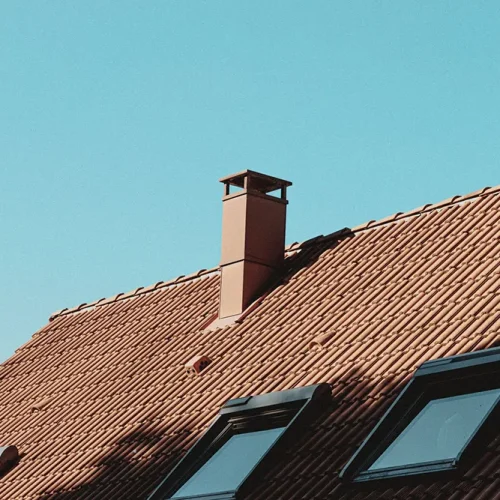
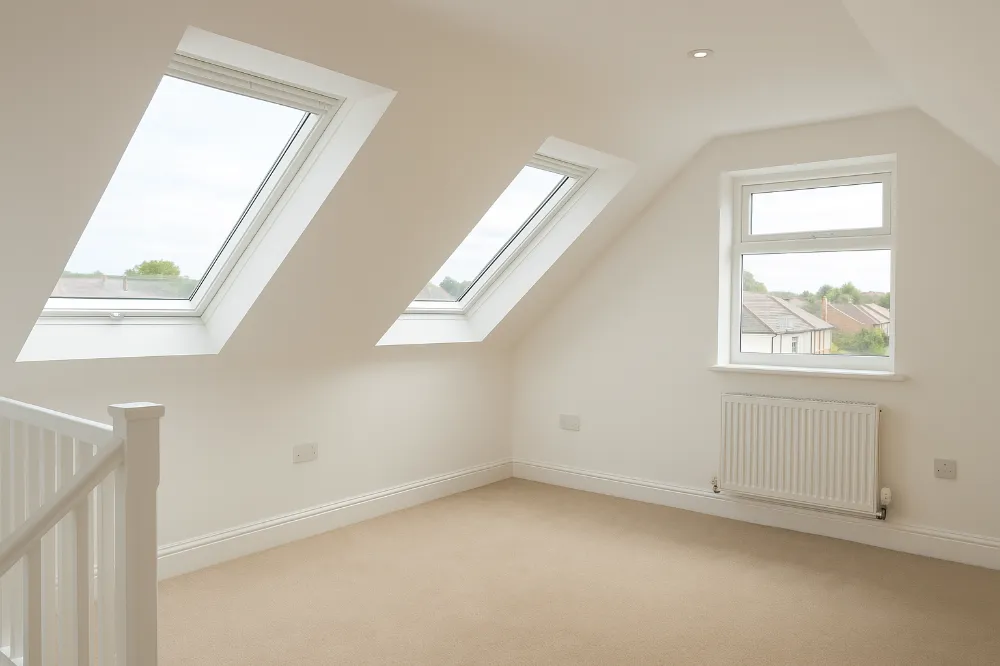
Adding skylight windows or creating dormer structures allows natural light to flood the area. Good lighting makes the space feel open and inviting. It also reduces the need for artificial lighting during the day.
Creating Comfortable Temperature Control
Proper insulation is essential for making the loft a practical living space throughout the year. High quality insulation ensures warmth during colder months and prevents excessive heat in summer. Combined with modern ventilation systems, it creates a comfortable environment.
Smart Storage Integration
The shape of a loft often includes sloped ceilings and unusual corners. These areas are perfect for built in storage that blends seamlessly with the design. This helps maintain a clean and organised look.
Adaptable Room Purposes
The loft can become almost anything. Popular options include
• an additional bedroom
• a home office
• a cinema room
• a playroom
• a guest suite
• a hobby or craft space
• a private reading nook or relaxation area
The flexibility of loft design gives homeowners plenty of opportunities to tailor the space to their lifestyle.
Understanding the Conversion Process
A successful loft conversion requires careful planning and an understanding of the building requirements. The process typically includes several key stages.
Initial Assessment
A professional assessment identifies whether the existing structure can support a conversion. Head height, roof shape, insulation and access points are evaluated to determine suitability.
Design and Planning
Once feasibility is confirmed, detailed plans are created. At this stage, homeowners choose layout, windows, staircase placement and room features. Many projects do not require full planning permission, although building regulations must always be followed.
Structural Work
Reinforcement of the floor, installation of dormers, fitting of windows and construction of safe access are part of the structural phase. This stage provides the essential framework for the new room.
Interior Work and Final Details
Electrical installations, heating, plastering, flooring and decoration are completed last. These finishing touches transform the loft from a construction zone into a functional and comfortable living space.
Common Practical Benefits of Loft Conversions
A loft conversion is more than just a home improvement project. It offers long term advantages that improve the way people live.
Better Organisation and Less Clutter
When the loft becomes a usable room, belongings can be stored more efficiently or relocated to new built in options. This helps free up space in other parts of the home.
Improved Home Comfort
Extra rooms provide quiet areas away from busy family spaces. Whether used for work, relaxation or sleep, the conversion enhances daily comfort.
Aesthetic Appeal
Modern loft designs add a stylish element to the property. Clean lines, skylights and contemporary layouts give the home a fresh and appealing character.
Financial Advantages of Converting the Loft
Apart from adding living space, a loft conversion also offers notable financial benefits.
Increased Market Value
Properties with loft conversions often stand out in the market. Buyers appreciate the additional room and the smart use of space.
Lower Costs Compared to Extensions
A conversion is usually cheaper than a full extension because it uses the existing structure. It also takes less time to complete.
Energy Efficiency Improvements
With high quality insulation and updated heating systems, the property becomes more energy efficient. This can reduce long term utility expenses.
Conclusion
Creating more space in your home without extending the property is entirely possible with a well planned loft conversion. By transforming an underused area into a practical and visually appealing room, homeowners gain significant benefits in comfort, functionality and property value. The process preserves precious outdoor space, maintains the structural footprint and opens new opportunities for modern living. With creative planning and professional guidance, the loft can become one of the most impressive and useful rooms in the house.
FAQs
A loft conversion is the process of transforming the unused attic space into a functional room such as a bedroom, office or playroom.
Many loft conversions fall under permitted development, but some designs especially dormers may require approval depending on local regulations.
Most projects take between 6–10 weeks depending on complexity, design features, and structural adjustments.
Popular types include roof light conversions, dormer conversions, hip-to-gable conversions and mansard conversions.
Generally, a minimum of 2.2 meters of head height is recommended to create a comfortable and usable space.
Yes. A well-designed loft conversion can significantly boost property value, especially when it adds an extra bedroom.
In most cases, yes. Homeowners commonly create bedrooms, offices, guest suites, studios or hobby rooms.
Absolutely. Proper insulation ensures the space stays warm in winter, cool in summer and energy efficient all year.
Loft conversions are less disruptive than extensions since most work happens above existing living areas.
Yes. Structural reinforcement is typically required to support the new room and meet building regulation standards.