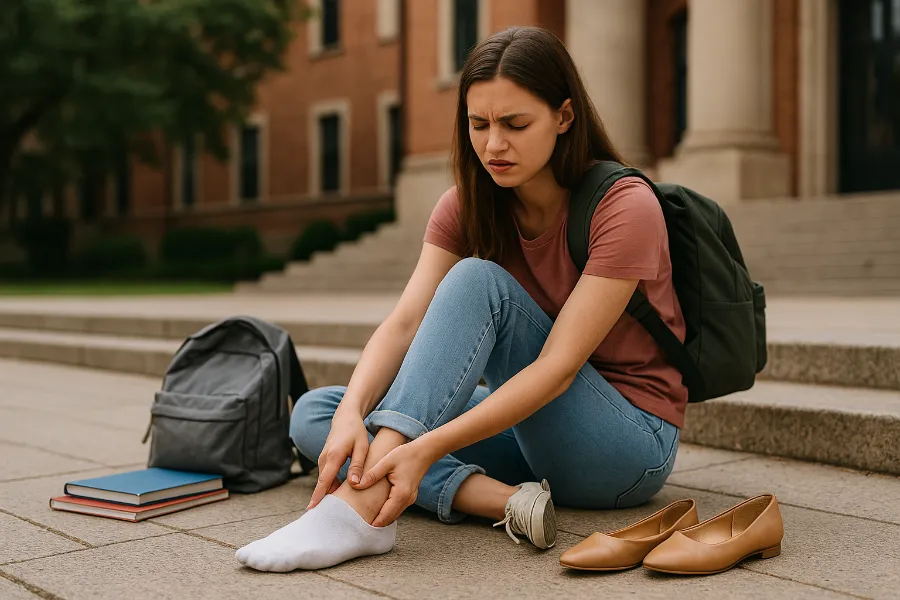
If there’s one thing college teaches you besides time management and how to survive on ramen, it’s that you walk constantly. I learned this the hard way during my freshman year when I bought shoes because they “looked cute” and didn’t think anything about support or long-distance comfort. Within a week, my feet felt like I had waged war against them. That’s when I realized that comfortable walking shoes aren’t just a nice-to-have for college students they’re basically your whole lifestyle.
You move from dorm to lecture halls, from lecture halls to labs, from labs to the dining hall, and from the dining hall right back across campus for group projects or club meetings. Campus life is a full-body workout. And if your shoes don’t help you along the way, you feel it everywhere in your feet, your knees, your back, and eventually, in your mood. This is why a good pair of walking shoes is essential.
Why Walking Shoes Matter More in College Than You Think
Walking is such a huge part of daily campus life that it should almost be included in the syllabus. Some campuses easily push you to 10,000 steps before the afternoon. Between rushing from class to class and heading back to your dorm multiple times a day, your feet are constantly working. When you’re spending that much time on your feet, wearing the wrong shoes doesn’t just cause discomfort — it affects your stamina, posture, and even concentration.
When your shoes fail you, everything feels harder. You move slowly, you avoid optional activities, and you lose motivation to explore. But with the right footwear, your day flows more smoothly. The difference is surprisingly dramatic.
What Actually Makes a Shoe Comfortable for Students
Brands love using buzzwords like “lightweight,” “memory foam,” and “premium cushioning,” but the real test is how the shoe performs under the daily demands of student life.
Cushioning is one of the biggest factors. You want cushioning that stands firm and doesn’t collapse after a week of use. Arch support is another game-changer. Even if you don’t have foot issues, the repetitive impact of walking on hard surfaces like campus pavement eventually takes a toll. Arch support distributes pressure and keeps your feet aligned.
Breathability helps prevent sweat, friction, and odor all contributors to blister formation. And a roomy toe box ensures your toes aren’t cramped while walking quickly across campus. Traction is something many students overlook until a rainy day arrives and the sidewalks turn into slip zones. A durable outsole with real grip can save you from an embarrassing fall. All these factors work together to create a shoe that actually supports you.
Campus Walking Is Its Own Sport, and Your Shoes Need to Keep Up
College walking isn’t the same as taking a casual stroll. It’s a series of speed changes, abrupt stops, stair climbing, dodging crowds, and sometimes sprinting because you misread the time. I’ve tried shoes that were fine for errands but absolutely terrible during a full campus day.
Think of the moments your shoes must survive: the frantic morning dash when you overslept, the hour you spend standing in a long dining hall line, the uphill walk with a backpack full of textbooks, or the late-night “quick snack run” that always turns into a much longer outing. Comfortable shoes make all of these experiences easier and far less tiring.
The Types of Shoes That Work Best for College Students
After observing what students actually wear and what holds up, certain types consistently perform well. Running shoes tend to be the most popular because they are built for motion and impact absorption. They breathe well, they cushion well, and they transition easily from long walks to occasional gym sessions.
Walking shoes are underrated but incredibly functional. They’re made specifically for long-term comfort and stability. Lifestyle sneakers are ideal if you want something that looks stylish with daily outfits but also provides comfort. Slip-on sneakers make early classes tolerable because you can leave the dorm in seconds without bending down to tie anything. Cross-training shoes appeal to students who balance classes with gym workouts. They offer lateral support and durability. And lightweight hiking-inspired sneakers work well on campuses with slopes, brick paths, uneven sidewalks, or rainy weather. Each category has strengths depending on your lifestyle.
The Features Students Often Overlook (and Regret Later)
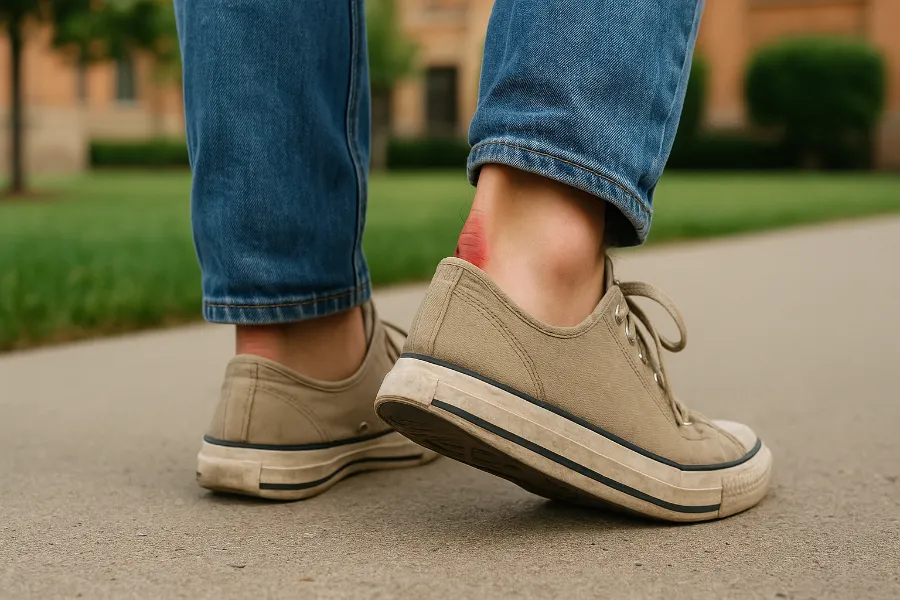
Most discomfort comes from small details that seem unimportant at first. Heel padding is one of them. Without enough padding, your heel slips and rubs, leading to painful blisters. Midsole thickness also matters more than people expect. Thin soles look sleek but provide almost zero protection from impact, which leads to fatigue.
Insoles often determine whether a shoe feels supportive or flimsy. Many students don’t realize how much a quality insole improves comfort until they try one. Flexibility should be focused in the forefoot rather than the entire shoe bending like soft fabric. And the biggest overlooked element? Fit. A shoe that “almost fits” is a problem waiting to happen. Your toes need room, your heel needs security, and your midfoot needs support.
Choosing Shoes Based on Your Lifestyle, Not Just the Trend
Comfort depends heavily on how you use the shoe. If you walk long distances daily, you want cushioning, breathability, and stable support. If you’re someone who stands for long hours maybe due to labs or a campus job you’ll appreciate firmer arch support and consistent shock absorption.
If style matters to you, lifestyle sneakers with good insoles or cushioned retro styles offer both comfort and aesthetics. Campuses with hills or unpredictable weather require shoes with traction and stability. And if you’re on a tight budget, you can absolutely still get comfort just focus on cushioning, fit, and arch support. Even inexpensive shoes can perform well with the right insole upgrade. For those curious about safe walking habits and foot health, the U.S. Centers for Disease Control and Prevention provides helpful guidance on physical activity and walking safety.
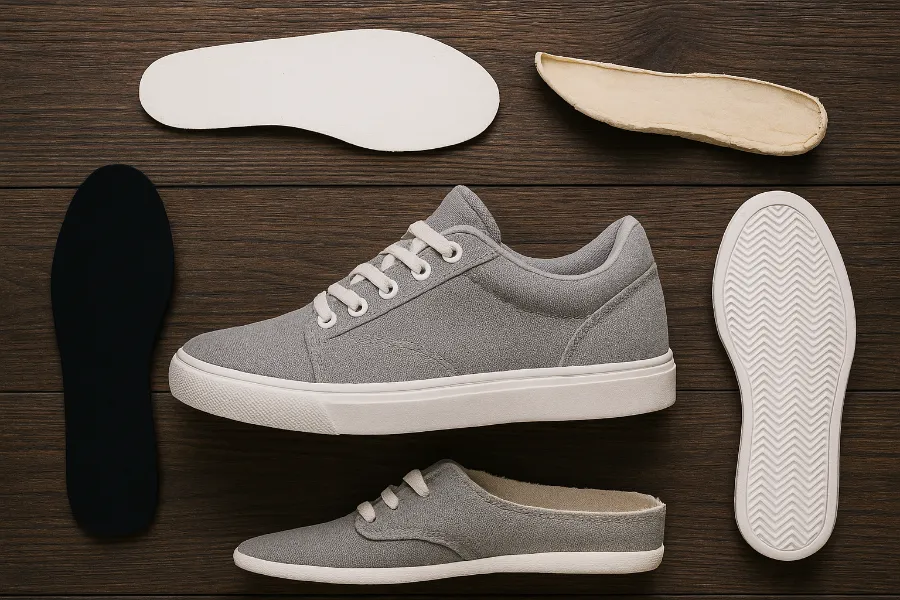
What Happens When You Choose the Wrong Shoes
I’ve been through semesters where my shoes felt like medieval torture devices. The discomfort creeps into everything. You start altering your walking pattern to avoid pain, and before long, your knees or lower back begin complaining too. Blisters become a recurring nightmare, especially when you’re stuck walking all day with no chance to rest.
And the shoes themselves wear out quickly. Cheap soles flatten in weeks, and once the cushioning compresses, every step becomes unpleasant. Bad shoes don’t just make walking difficult they slowly drain your energy and enthusiasm for daily life on campus.
How Many Pairs You Actually Need
Students don’t need a massive shoe collection. You need a practical rotation. One dependable everyday walking pair, one backup pair to rotate in when the primary one needs a break or gets soaked, and one activity-specific pair for the gym or sports. Some students function perfectly with two pairs total. Others prefer three. Rotation reduces wear and keeps your shoes performing better for longer.
How to Keep Your Shoes Comfortable All Semester
Even great shoes won’t last if they’re neglected. Cleaning them regularly preserves the materials. Airing them out keeps them fresh and prevents moisture buildup inside the shoe. Replacing insoles every few months restores comfort. Rotating shoes allows the cushioning to recover. And wearing the right shoes for the right activities prevents unnecessary breakdown. Avoid running or heavy training in shoes not designed for it. Lifestyle sneakers flatten quickly when used for high-impact activities.
When to Know It’s Time to Replace Your Shoes
Shoes give you signs when they’re ready to retire. Flattened soles, worn grip, loss of heel padding, and new aches all point to a shoe that’s done its job. Most students replace their walking shoes somewhere between every semester to once a year depending on walking habits.
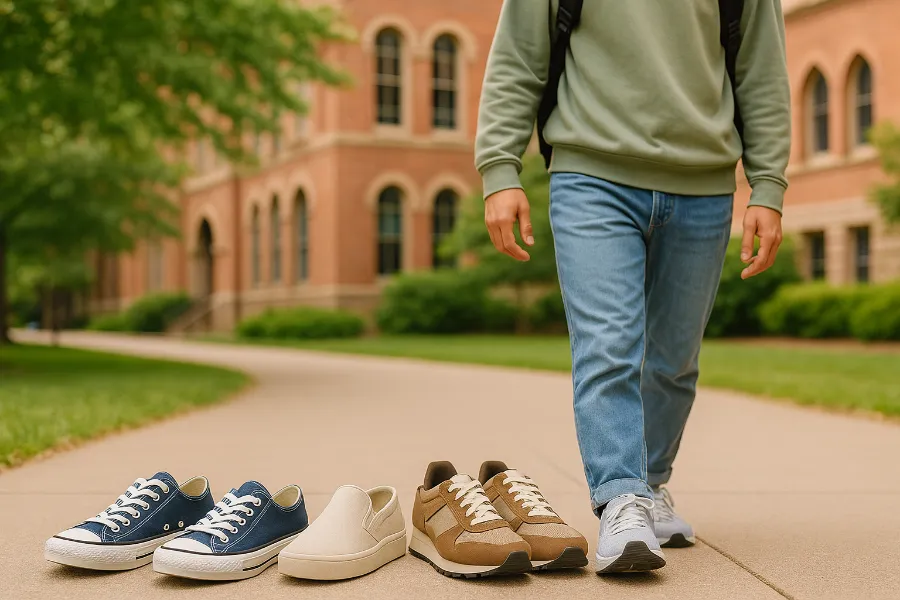
The Final Word: Comfort Makes College Life So Much Easier
Comfortable walking shoes for college students aren’t about trends or fancy branding. They’re about a smoother, more enjoyable daily routine. When your shoes work with you instead of against you, your entire day feels lighter. Whether you’re navigating rainy sidewalks, sprinting to class, or running late-night errands, the right shoes make it all manageable. College is challenging enough. Your shoes shouldn’t add to the struggle. Invest in pairs that help you move freely, stay energized, and actually enjoy the daily journey across campus.
FAQs
Good cushioning, arch support, a roomy toe box, and breathable materials make long campus walks more comfortable.
Yes. Running shoes offer excellent cushioning and support, making them ideal for long walks between classes.
Your foot should feel lifted and stable, not collapsing inward. If your legs or feet feel tired quickly, you may need more support.
You shouldn’t need to size up unless your toes hit the front. Aim for a snug heel and about a thumb’s width of space at the toes.
Most students replace their shoes every 6–12 months depending on use and walking distance.
Yes, as long as they have proper insoles and heel structure. They’re convenient for quick class transitions.
Absolutely. Quality insoles improve arch support and cushioning, especially in budget or lifestyle sneakers.
Flat, unsupportive sneakers with thin soles or heavy fashion shoes can cause fatigue and foot pain.
Shoes with good traction, supportive midsoles, and slightly rugged outsoles work best on hills or brick paths.
Wear them for short periods first and gradually increase usage. This helps the materials mold to your feet.