A home inspection is one of the most crucial steps in the buying process, giving potential homeowners a clear picture of the property’s condition before they make a major investment. While inspectors are thorough, even the most experienced professionals can miss areas that are difficult to access or easy to underestimate.
Some parts of the home are often glossed over simply because they appear fine at first glance or are hidden behind walls, floors, or ceilings. These overlooked areas can later cause expensive repairs and safety issues if not properly checked. Understanding where these blind spots tend to occur helps homeowners and buyers alike ensure a more complete inspection and a safer, longer-lasting property.
The Roof: More Than Meets the Eye
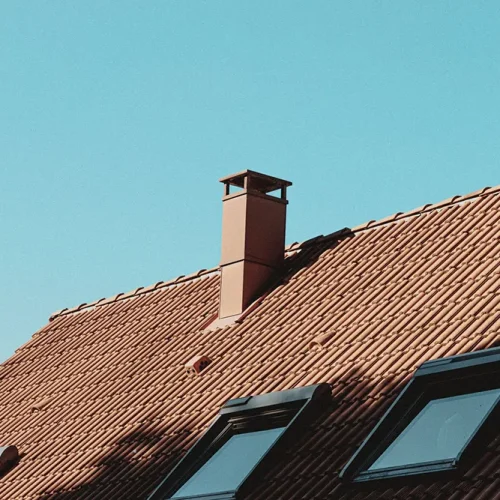
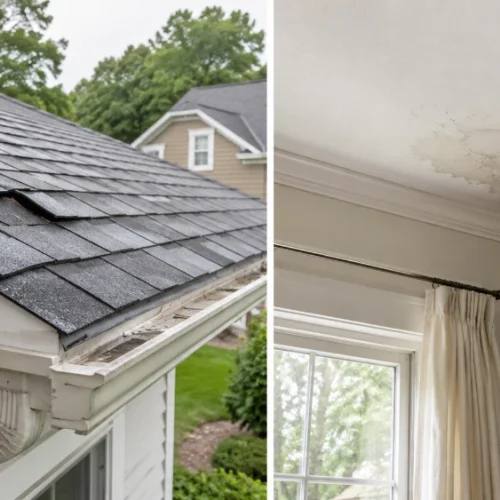
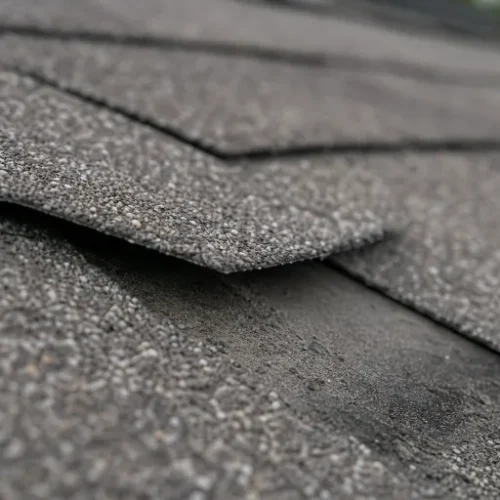
The roof is one of the most important parts of any home, yet it is frequently underexamined during inspections. Many inspectors assess the general condition of shingles or tiles but overlook subtle signs of damage that can lead to major problems later on. Elements such as the flashing, gutters, and vents are particularly critical.
When flashing begins to loosen or corrode, water can easily find its way into the home’s structure, leading to rot, mold, and interior damage. Timely roof flashing repair helps extend the life of the roofing system and prevents costly structural problems. Inspectors should also look closely at the attic for signs of water stains, damp insulation, or light seeping through the roof boards. These are indicators of hidden leaks that might not yet be visible from outside. Since the roof protects the entire structure, even small oversights can result in costly repairs down the road.
Attic and Insulation Issues
Attics are commonly neglected during home inspections because they are difficult to access and often poorly lit. However, this space can reveal a lot about a home’s overall condition. Poor insulation, pest infestations, and signs of moisture buildup are typical issues that go unnoticed. If insulation is uneven or deteriorated, it can lead to higher energy costs and temperature imbalances throughout the house. Moisture in the attic may indicate roof leaks or inadequate ventilation, which can lead to mold growth or structural damage. A careful inspection of the attic ensures that ventilation is adequate, insulation is consistent, and no signs of water intrusion are present.
Plumbing Hidden Behind Walls
Plumbing systems are another area that inspectors may only partially assess. While they test faucets, toilets, and visible pipes, the lines hidden behind walls and under floors often remain unchecked. Minor leaks or slow drips in concealed areas can lead to water damage and mold growth before they are even detected.
Inspectors should pay attention to signs such as musty odors, damp spots on walls, or discolored ceilings, as these may signal underlying plumbing problems. Checking the water pressure and examining accessible pipes for corrosion or mineral buildup also helps catch issues early. Homeowners benefit from requesting a more detailed plumbing inspection that includes moisture detection tools to ensure no hidden leaks are missed.
Electrical Wiring and Outlets
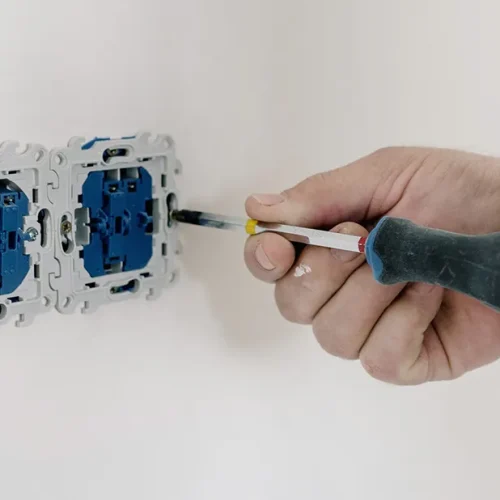
The electrical system is vital for safety, yet it often receives less scrutiny than it deserves. Inspectors usually confirm that switches and outlets function, but they might not check whether the wiring behind the walls meets safety standards. Outdated or improperly installed wiring can pose serious fire hazards. Inspectors should ensure that the electrical panel is properly labeled and that breakers are functioning correctly. They should also look for any evidence of amateur repairs or exposed wiring in the attic, basement, or crawl space. Flickering lights or warm outlets are warning signs of potential issues that warrant a closer look.
Basement and Crawl Spaces
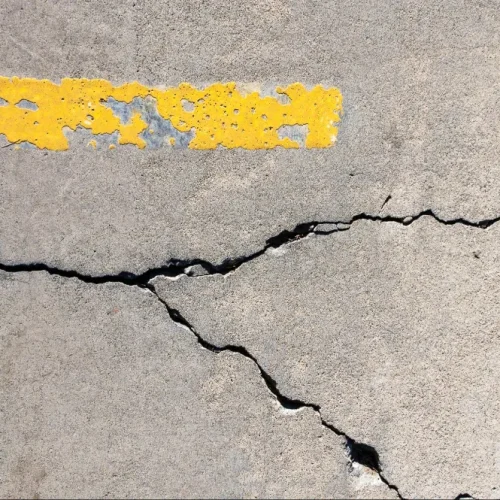
Basements and crawl spaces are easy to overlook because they are often damp, dark, and used primarily for storage. However, these areas are among the most telling when it comes to identifying foundation or moisture problems. Inspectors should check for cracks in the foundation, pooling water, or signs of past flooding. Crawl spaces, in particular, may harbor mold, pests, or insulation problems. Inadequate vapor barriers or poor ventilation can cause long-term damage to the wooden structure of the home. A proper inspection of these spaces ensures that moisture is controlled and that the foundation remains stable and secure.
Ventilation and Air Ducts
Air ducts and ventilation systems are crucial for maintaining indoor air quality, yet they are frequently overlooked. Dust, debris, and mold can accumulate in ducts over time, leading to poor airflow and respiratory issues for the occupants. Additionally, leaks in ductwork can reduce the efficiency of the heating and cooling systems, driving up energy costs.
Inspectors should ensure that vents are clear, filters are accessible, and ducts are properly sealed. Signs of dust around vents or uneven heating in different rooms might indicate a problem.
Windows, Doors, and Weather Seals
Windows and doors might seem straightforward, but they are often inspected too quickly. Drafts, loose seals, or small cracks in window frames can lead to energy loss and water intrusion. Inspectors should check that windows open and close properly, that weather stripping is intact, and that there are no gaps around door frames. Condensation between double-pane windows or signs of rot around the frames may indicate hidden issues. Properly sealed openings not only enhance comfort but also reduce the likelihood of moisture damage and mold growth.
Hidden Moisture and Mold
Even small amounts of hidden moisture can cause long-term problems. Areas behind appliances, under sinks, or around windows can harbor mold growth that may go unnoticed. Mold not only damages materials but also affects indoor air quality.
Inspectors should use moisture meters or infrared cameras to identify damp areas not visible to the naked eye. Regularly checking for musty odors or discoloration helps detect potential mold problems early. Taking preventive steps such as proper ventilation and regular cleaning keeps the home safe and comfortable. Home inspections are invaluable, but they are only as effective as their thoroughness. While inspectors cover the major systems, these overlooked areas often hold the key to a property’s long-term stability and safety.
FAQs
Because some issues are hidden behind walls, in tight spaces, or appear fine at first glance, making them easy to miss without deeper checks.
Inspectors assess basic roof conditions, but flashing, vents, and subtle leak indicators can be overlooked if not examined closely.
Attics reveal insulation quality, ventilation issues, and possible moisture damage that may not be visible elsewhere in the home.
Moisture meters, musty odors, and wall discoloration can indicate leaks behind walls even when visible plumbing looks fine.
Yes inspectors often test basic functionality, but outdated wiring or unsafe DIY repairs may remain hidden inside walls or attics.
They’re dark, cramped, and rarely used, but they often show early signs of foundation issues, pests, or water damage.
Absolutely clogged or leaking ducts reduce air quality and HVAC efficiency but are often skipped in quick inspections.
Drafts, failed seals, rot, and small cracks can lead to energy loss or moisture intrusion if not carefully inspected.
Tools like infrared cameras and moisture meters help uncover mold in walls, under sinks, or behind appliances.
Yes buyers can ask for specialized evaluations, such as roofing, plumbing, HVAC, or mold inspections, for more thorough results.