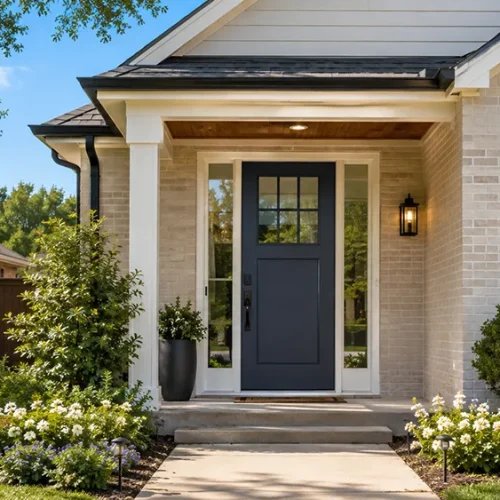
Seattle’s housing market challenges anyone hoping to buy a home. Prices remain high, mortgage rates fluctuate, and available homes often disappear fast. The mix of economic uncertainty and strong demand keeps buyers alert and cautious about each decision.
They face a market that tests patience, budgets, and timing at every step. Each factor, like cost, supply, rates, and competition, shapes how buyers plan their next move. Understanding these challenges helps them prepare for what lies ahead and approach Seattle’s real estate market with clear expectations.
High home prices are limiting affordability
Home prices in Seattle remain among the highest in the country. Buyers face steep competition for limited listings, and many find that even modest homes cost far more than expected. A realtor in Seattle notes that this price pressure often forces buyers to adjust budgets or expand their search beyond city limits. Rising mortgage rates have also made monthly payments harder to manage. Many buyers who qualified for loans two years ago now face higher costs for the same property. As a result, some delay purchases or shift toward smaller homes.
Local agents report that inventory still isn’t keeping up with demand, and rising tech employment along with steady population growth continue to push prices upward. In high-demand areas like Bellevue and Kirkland, affordability has become a real challenge,even for well-qualified buyers. In a market this competitive, preparation, timing, and strong professional guidance often determine who succeeds. It’s also smart for buyers to plan ahead with essentials like standard home insurance, ensuring their investment is protected the moment they secure a property.
Rising mortgage interest rates
Higher mortgage interest rates have made it harder for many Seattle buyers to qualify for loans or stay within budget. Rates have climbed from the historically low levels of a few years ago, which has increased monthly payments and reduced the number of affordable homes. As a result, buyers now face tighter financial limits. Many must lower their price range or delay purchases until rates ease. Even small rate changes can raise costs by hundreds of dollars each month, which affects both first-time buyers and those upgrading to larger homes.
In addition, higher rates have slowed market activity. Some homeowners hesitate to sell because they would lose their lower existing rates. This creates fewer listings and more competition for available homes, adding pressure to an already expensive market. Overall, rising interest rates continue to shape Seattle’s housing market by reducing affordability and limiting buyer choices.
Limited inventory and housing supply
Buyers in Seattle face one of the tightest housing markets in the country. The number of available homes remains low compared to the demand from both local and out-of-area buyers. This shortage continues to push prices higher and limits the choices for those trying to enter the market.
Several factors contribute to the limited supply. Many homeowners stay in their properties longer, which reduces turnover. New construction also struggles to keep pace with population growth and demand. As a result, listings often attract multiple offers soon after they appear. Higher interest rates add another layer of pressure. Some potential sellers hesitate to move because they do not want to lose their lower mortgage rates. This slows the flow of new listings into the market. Therefore, buyers must act quickly and make competitive offers to secure a home in Seattle’s current housing environment.
Economic uncertainty including layoffs and government shutdowns
Economic uncertainty creates hesitation among Seattle homebuyers. Layoffs in major industries reduce confidence and limit the number of qualified buyers. People may delay purchases until they feel secure about their income and job stability. A government shutdown adds another layer of concern. It can pause federal loan approvals, delay mortgage processing, and slow economic data that lenders use to assess risk. As a result, transactions may stall, and buyers face longer wait times.
Local housing demand often softens during these periods. Buyers worry about future interest rates or possible income loss. Sellers may need to adjust prices or offer incentives to keep deals moving. Although the economy often recovers after such disruptions, uncertainty can leave a short-term mark. People tend to act cautiously, and that affects how quickly Seattle’s real estate market regains momentum.
Increased competition among buyers
Seattle’s real estate market remains one of the most competitive in the country. Limited housing supply and steady demand from new residents keep pressure on prices. Many buyers face bidding wars, which often push final sale prices well above the list price. High mortgage rates also affect competition. Some buyers leave the market, but others with stronger finances stay and compete for fewer homes. As a result, well-priced listings often receive multiple offers within days.
Investors and remote workers add another layer of demand. They pursue properties in desirable neighborhoods, which reduces options for first-time buyers. Therefore, buyers must act quickly, secure pre-approval, and make strong offers to stand out. Local experts note that competition may ease slightly if more homes enter the market. However, Seattle’s strong job market and limited land for new development suggest that tight conditions will likely continue through the near future.
Conclusion
Seattle’s real estate market presents both promise and pressure for buyers. High prices, limited inventory, and economic uncertainty continue to shape decisions. Buyers must weigh their financial readiness against market shifts that can change quickly.
Mortgage rates have eased slightly, yet affordability remains tight. Many buyers hesitate, uncertain about future job stability and government actions that affect confidence. To move forward, buyers benefit from clear goals, realistic budgets, and expert guidance. Careful preparation and patience help them find opportunities even in a competitive market.
FAQs
Seattle has strong job growth, high demand, and limited land for new development, all of which keep home prices elevated.
Higher rates increase monthly payments and reduce buyers’ purchasing power, limiting the homes they can afford.
Yes. Many homeowners hold onto low-rate mortgages, and new construction can’t keep pace with demand, leading to tight supply.
In desirable neighborhoods, yes. Homes often receive multiple offers within days due to limited options.
Layoffs and market instability make buyers more cautious and can temporarily slow down sales or delay loan approvals.
Often they are, since investors and repeat buyers typically have stronger financing and move faster in competitive situations.
Yes. They can delay federal loan processing, appraisals, and risk assessments, slowing transactions.
Absolutely. Nearby cities and suburbs often offer more affordable prices and more inventory.
Most experts predict only modest adjustments, as demand remains high and land for development is limited.
Strong pre-approval, fast decision-making, flexible terms, and working with an experienced local agent make a big difference.