When you live with other people, productivity becomes a completely different challenge. Everything you do every new habit, every goal, every attempt to sit down and focus has to coexist with someone else’s noise, routines, moods, and schedules. Shared living can feel chaotic, unpredictable, and sometimes like it’s working against you. But the truth is, with the right mindset and a few practical habits, you can build a productive rhythm that works even in the busiest environment. This isn’t about controlling the chaos it’s about finding your flow inside it.
Redefining Productivity in Shared Environments
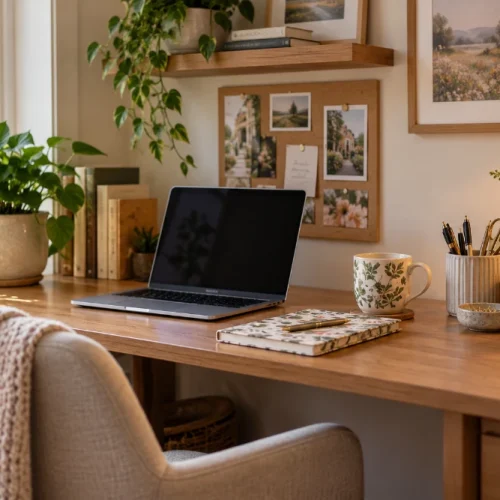
One of the first lessons you learn in shared living is that “ideal conditions” almost never exist. Forget the productivity books that start with “set up a dedicated workspace” shared living doesn’t always give you that luxury. Your workspace may be the kitchen table at 7 a.m., the corner of the couch in the afternoon, or a lap desk on your bed at night. Productivity becomes less about having perfect surroundings and more about creating mental consistency. When you shift to a mindset of adaptability, suddenly productivity feels attainable again. Instead of fighting the environment, you start shaping small, workable pockets within it, and those pockets of focus add up.
Understand Your Rhythms Before You Shape Your Space
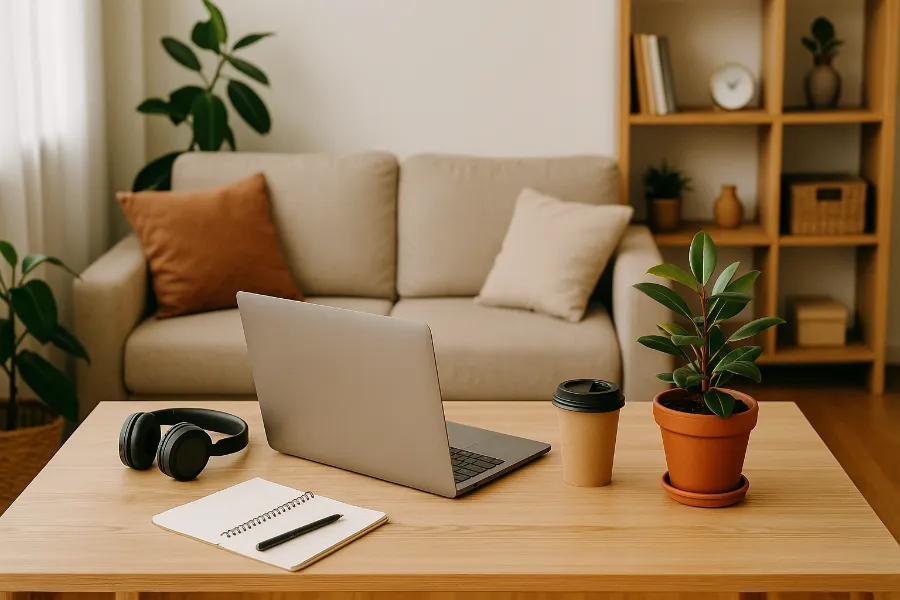
Everyone has natural patterns throughout the day, influenced by their circadian rhythm, the internal clock that regulates sleep, alertness, and energy levels. You can read more about circadian rhythms here. The trick is to figure out your natural rhythm and pair it with the rhythm of your household. Maybe your brain works best in the morning. Maybe it wakes up at night. Maybe you get hit with mid-afternoon productivity bursts. Once you identify your high-energy windows, observe your shared space. When is it loud? When is it still? When are people cooking, talking, or relaxing? By matching your personal peaks with your environment’s calmest periods, you create an effortless synergy. You’re no longer swimming upstream. You’re using the natural quiet to support your best work.
Create Zones—Even the Smallest Ones Count
In shared spaces, “zone” doesn’t mean private room it means a physical cue your brain associates with work. The zone might be tiny, temporary, or portable, but what matters is consistency. You could have a foldable tray you pull out when it’s time to focus. You could claim one corner of the couch. You could work from your bed with a pillow behind your back and a lamp on. Your brain learns these cues faster than you think. After a while, simply sitting in your designated spot tells your mind it’s time to get things done. The zone becomes less about where you are and more about how you prepare yourself mentally. That’s the magic of habit-building: your brain doesn’t need perfection it just needs repetition.
Build a Portable ‘Grab-and-Go’ Productivity Kit
When your living situation doesn’t allow you to leave your setup in one place, portability becomes essential. Having a grab-and-go kit means you’re always ready to work wherever the quiet is. It removes friction. It saves time. And it protects your focus from being derailed by the constant hunt for missing items. This kit can be simple: your laptop, chargers, notebook, pens, headphones, snacks, and maybe a small extension cord. Keep everything in one tote bag or basket. When it’s time to move whether from the living room to your bedroom or from your apartment to a café you grab the kit and go. No hesitation. No lost momentum.
Learn to Outsmart Noise Instead of Fighting It
One of the hardest parts of shared living is the unpredictable noise the TV humming, the kitchen clatter, roommates talking, doors opening and closing, impromptu singing, and the occasional blender running at 10 p.m. Trying to work in silence is almost impossible, so the trick is to create your own sound environment. Noise-canceling headphones are a lifesaver, but you can also use brown noise, lo-fi beats, rain sounds, or instrumental playlists. Silence when you do find it can be great, but in shared spaces, consistent background noise actually helps your brain stay focused. It creates a buffer, softening the sharper, random sounds that would normally break your concentration.
Use Time as Your Main Shield

If the space around you is unpredictable, the best way to protect your productivity is to structure your time more intentionally. Time-blocking lets you carve out specific windows for deep work. Pomodoro cycles help you stay focused in short, manageable bursts. Even designating “focus sprints” can help you protect your attention. You don’t need eight uninterrupted hours. In shared spaces, it’s rare. What you need are pockets 30 minutes here, an hour there, 20-minute bursts that add up. Once you start seeing productivity through the lens of small, intentional windows instead of long stretches, everything becomes easier. It’s no longer about controlling the room it’s about owning your time.
Have the Conversation Before You Need It
Most problems in shared living come from unspoken expectations. People don’t know when you’re working, when you need quiet, or when certain areas feel off-limits to you. Instead of waiting until frustration builds, have a proactive, friendly conversation with your housemates or roommates. Lay out your general schedule. Ask about theirs. Set healthy, realistic boundaries together. It doesn’t need to be formal or dramatic. A simple chat can prevent misunderstandings that might otherwise turn into resentment. Most people are more than willing to work around your needs especially when you’re equally respectful of theirs.
Use Small Rituals to Ground Yourself
Productivity rituals don’t have to be elaborate. They just need to signal your brain that it’s time to shift gears. This could be making a cup of tea, lighting a candle, doing a quick desk wipe-down, stretching for a minute, or opening your notebook. In environments you can’t fully control, rituals create psychological consistency. They give your mind a sense of stability even when the space itself is constantly changing. A small ritual is sometimes all it takes to flip your brain from “home mode” into “work mode.”
Manage Visual Clutter Before It Drains You
Clutter is sneaky. It distracts your eyes, crowds your mind, and increases your cognitive load, the mental effort required to process your surroundings and tasks. The U.S. National Library of Medicine provides more information about cognitive load here. In shared living, clutter multiplies quickly because everyone uses the same areas. But you can control your immediate space, even if you can’t control the whole home. Keep your personal items grouped together. Use a basket for your essentials. Set a rule for yourself like “put away everything after I’m done working.” You don’t need a spotless home you just need your own little section to feel calm enough to focus.
Harness the Power of Good Lighting

Lighting does more than brighten a room it affects your mood, your energy, and your ability to stay engaged. Harsh overhead lights can cause eye strain. Dim yellow bulbs may make you sleepy. Bright, focused lighting wakes up your brain. A small desk lamp, a warm-toned bulb, or even a clip-on reading light can transform your workspace instantly. Lighting becomes even more important in shared spaces because you don’t always get to choose where you work. But you can always choose how the light hits your environment.
Set Boundaries You Can Actually Stick To
Boundaries don’t have to be heavy-handed. They just need to be clear. For example, if you put on your headphones, that could mean “I’m in focus mode.” If the door is closed, maybe that’s your quiet time. If you’re studying at the table, you could set a gentle expectation that interruptions wait unless it’s urgent. The goal isn’t to create rules for everyone else it’s to define a system that keeps you from losing your productivity to constant interruptions. And when everyone understands those boundaries, shared living becomes much more manageable.
Know When to Leave the House
Sometimes the environment just won’t cooperate. Someone’s hosting friends. Someone else is cooking something loud. The TV’s on. The dishwasher is running. The entire place feels too “busy” to think. That’s your sign to step outside. There’s no shame in needing a café, a library, a coworking space, or a quiet corner of the outdoors. In fact, leaving your home can sometimes give you a productivity boost that no amount of rearranging at home could achieve. A change of scenery resets your brain, refreshes your focus, and often helps you get more done in less time.
Do a Simple Nightly Reset to Reduce Morning Friction
Shared living means the space constantly shifts during the day people move things around, the couch gets rearranged, the table gets cluttered, energy levels fluctuate. A quick nightly reset helps you reclaim order before the next day. This doesn’t need to be a full cleaning session. Just gather your work tools, charge your devices, lay out your essentials, and tidy your personal space. The goal is to remove friction. When tomorrow arrives, your brain encounters fewer obstacles and slips right into the flow.
Use Visual Barriers to Create Privacy
Privacy in shared living is often psychological rather than physical. If you can’t get a room to yourself, you can still create visual boundaries that make the space feel more contained. Curtains, folding screens, tall plants, rearranged furniture, or even a blanket draped strategically can make a huge difference.
When your eyes see fewer distractions, your brain experiences fewer interruptions. Even temporary visual boundaries can bring a surprising sense of calm and focus.
Schedule Intentional Social Time
It’s ironic, but the more social your environment is, the harder it becomes to work unless you plan your social time intentionally. If you regularly connect with your roommates, you’re less likely to start chatting during your focus hours. Shared meals, movie nights, or designated hangout times satisfy the need for connection while protecting your productivity windows.
This helps everyone understand when it’s time to unwind together and when it’s time to give each other space.
Give Yourself and Others Grace
Shared living is messy by nature. People will be noisy at the wrong times. You will get distracted. Someone will accidentally interrupt you. You’ll lose momentum. It’s simply part of the experience.
Instead of expecting perfection, give yourself grace. Productivity isn’t about flawless execution it’s about showing up with the tools you have and doing your best in the environment you’re in. And give the same grace to your roommates. Everyone is learning how to coexist, adapt, and respect one another.
The Real Truth: Productivity Is a Skill You Can Carry Anywhere
If shared living teaches you anything, it’s resourcefulness. You learn to create focus where there shouldn’t be any. You learn to adapt instead of relying on perfect conditions. You learn how to set boundaries, communicate, and design your own rhythm. These skills stay with you long after you leave a shared space. They help you in future homes, workplaces, relationships, and environments. Productivity stops being something fragile and becomes something flexible, intentional, and deeply personal. Shared living might complicate your routine, but it also strengthens the habits that matter most. And once you master productivity in a chaotic space, you can handle anything.
FAQs
Use noise-canceling headphones, brown noise, or music without lyrics to create a consistent sound environment that blocks unpredictable noise.
Designate a small, consistent zone a corner, tray desk, or couch spot that signals to your brain it’s time to work.
Keep your personal items contained in baskets or bins and maintain a quick daily reset so your work area stays visually calm.
Set gentle but clear boundaries, like a headphone rule or designated quiet hours, and communicate them early.
Use portable tools like a lap desk, foldable table, or bed tray to create temporary but effective work surfaces.
Relocate temporarily to a café, library, coworking space, or outdoor area to reset your focus.
Plan intentional social moments so casual conversations don’t spill into your work windows.
Use small lamps or warm-toned bulbs to create focus-friendly lighting that keeps your energy steady without harsh glare.
Observe when the house is naturally quiet and match your work sessions to those calmer periods.
Simple rituals like making tea, opening your notebook, or stretching signal your brain that it’s time to focus even in unpredictable spaces.