There’s something almost universal about the way homeowners treat small repairs—we underestimate them. A tiny crack in the siding looks harmless. A bit of loose trim feels cosmetic. An almost-imperceptible fracture in the foundation doesn’t trigger panic. These issues don’t drip, flood, or collapse, so they quietly fall to the bottom of the to-do list. But what no one tells you early on is that these “mini nuisances” often initiate the deterioration cycle, a slow but relentless process that turns inexpensive repairs into catastrophic and financially draining projects. Even something as simple as calling a local gutter cleaner serving Lacey can prevent thousands in moisture-related damage.
This guide walks you through how small exterior problems evolve into major household failures, why moisture infiltration is the biggest silent destroyer, and how delays create a domino effect that affects structural integrity, home value, and long-term comfort.
The Psychology Behind “I’ll Fix It Later”
Most of us don’t wake up thinking, “Today I’m going to ignore my home maintenance.” It happens subtly. Modern life is congested—work, kids, schedules, unexpected obligations. So when you notice a siding crack, you tell yourself it’s trivial. When the trim wiggles, you think it can wait. When a door begins sticking, you chalk it up to humidity.
There’s also the mental barrier of anticipatory anxiety: the fear that looking closer will reveal something worse. Ironically, avoiding repairs due to fear of cost is exactly what makes the final repair astronomically more expensive. The small stuff is predictable and affordable. The delayed stuff is where the real financial hemorrhaging begins.
Quick Reference: Small Problems That Become Big Ones
| Issue Ignored | Early Cost | Late Cost | What Usually Happens |
| Cracked siding | $5–$20 | $2,000–$6,000 | Water intrusion + wall cavity rot |
| Loose trim | $10–$50 | $1,500–$4,000 | Pest entry + moisture damage |
| Clogged gutters | $0–$200 | $3,000–$12,000 | Foundation settling + fascia rot |
| Minor roof defects | $0–$150 | $4,000–$15,000 | Attic mold + interior leaks |
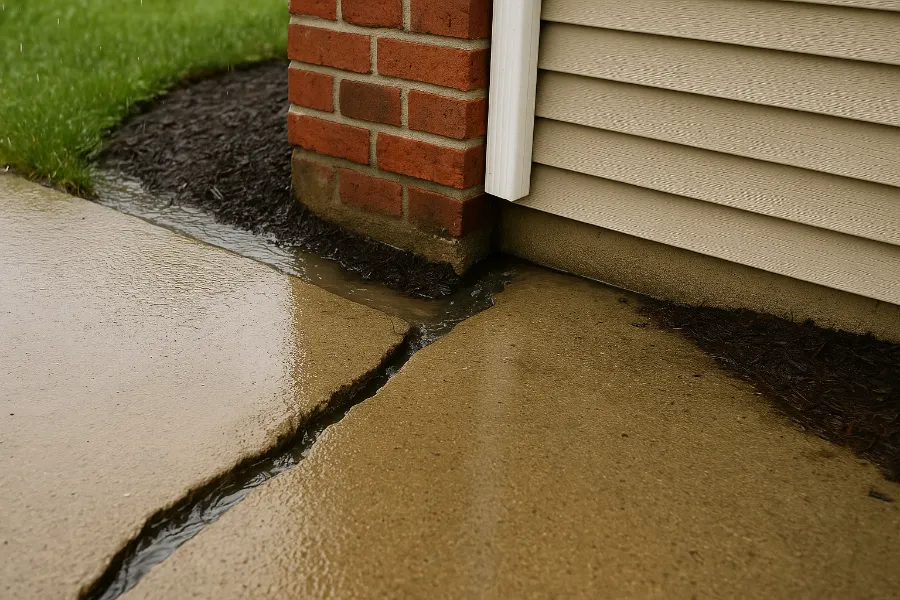
| Driveway cracks | $0–$30 | $2,000–$8,000 | Drainage issues + slab sinking |
Tiny Cracks in Siding: The Safe-Looking Problem That Isn’t Safe at All
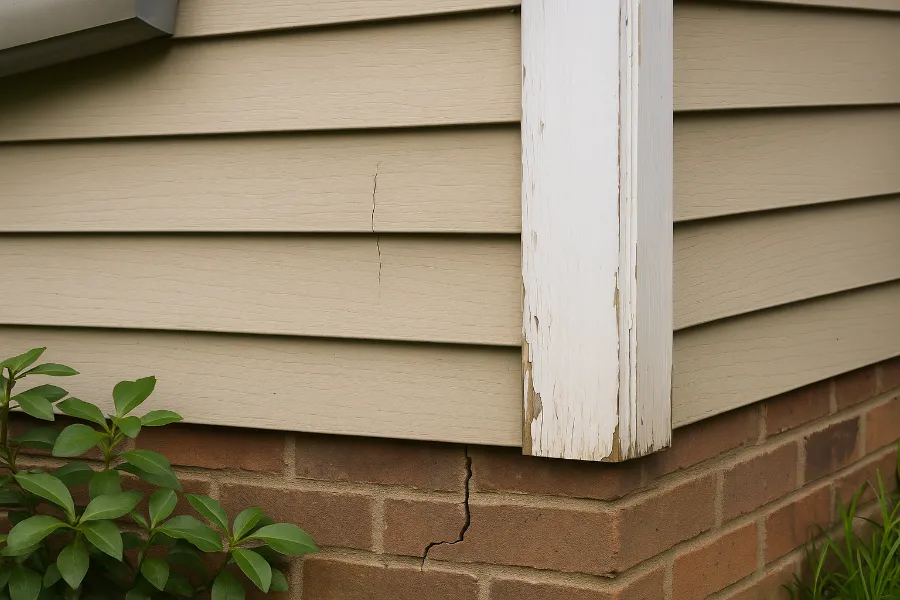
A small siding crack seems benign, but it’s essentially a micro-entry point for water intrusion. When rain is driven by wind, the water slips behind the siding and sits there undisturbed, unventilated, and unobserved. Over time, this moisture causes delamination of sheathing, insulation degradation, and the early stages of mold colonization.
Common Results of Ignoring Siding Cracks:
- Wall swelling and rot
- Pest infiltration
- Degraded insulation
- Mold spores spreading inside walls
What starts as a crack the width of a fingernail escalates into a structural moisture problem that undermines the building envelope. A $5 tube of exterior caulk would have prevented it. Delaying it can lead to a $5,000 repair.
Loose Trim: A Cosmetic Flaw That Conceals Serious Consequences
Loose trim looks purely aesthetic, but it’s actually a structural seal. Its job is to prevent water and pests from accessing vulnerable entry points. Capillary action can pull moisture into wood fibers even from a tiny separation.
Once pests find softened wood, they create more openings, allowing more moisture. What could’ve been a 10-minute fix becomes structural replacement and pest eradication.
Early Foundation Settling: The Biggest “Small Problem” Homeowners Ignore
Foundation settling is one of the most misunderstood early warnings in a home. Tiny cracks or uneven floors are often dismissed as “normal aging,” but early settling usually signals deeper issues such as hydrostatic pressure, erosion, or soil density changes.
As movement continues, plumbing lines can rupture, soil can destabilize, and structural displacement becomes costlier and harder to reverse.
Water Intrusion: The Quietest and Most Expensive Enemy
Water doesn’t need drama to destroy a home—it just needs time. Moisture is the universal enemy of structural materials, causing rot, rust, mold, and expansion damage.
Examples of How Moisture Causes Chain Reactions:
- Rot weakens structural beams
- Mold spreads through air systems
- Rust corrodes fasteners and brackets
- Swelling wood misaligns windows and doors
By the time stains or odors appear, damage underneath is already significant.
How Neglected Gutters Make Everything Worse
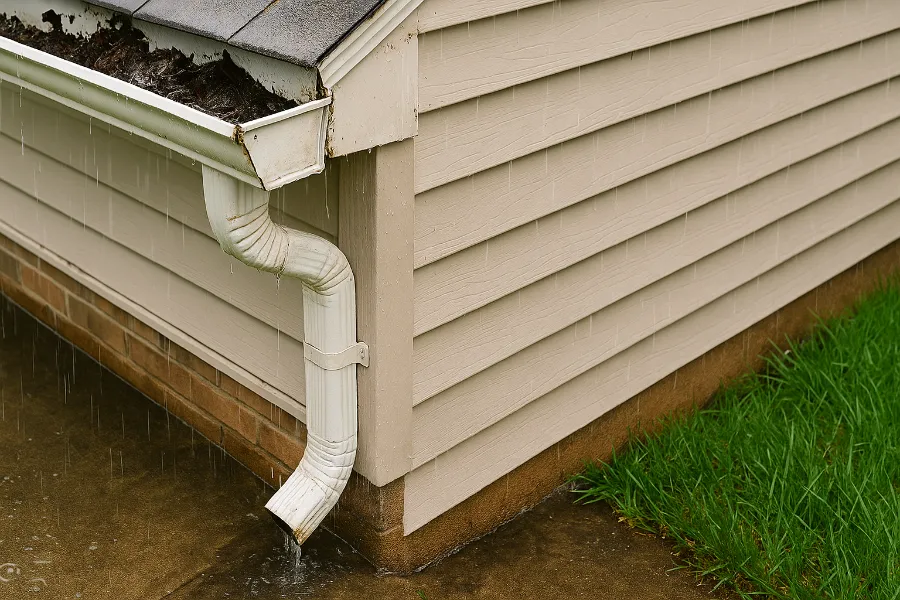
Gutters control water flow around the home. When they clog, water spills onto siding, trim, and the foundation—dramatically speeding up deterioration.
Consequences of clogged gutters:
- Overflow saturates siding and foundation
- Soil erosion leads to settling
- Fascia boards rot
- Attic moisture levels rise
Neglecting gutter maintenance doesn’t just cause gutter problems—it multiplies every other issue on this list.
Roofing Issues: Small Defects, Massive Costs
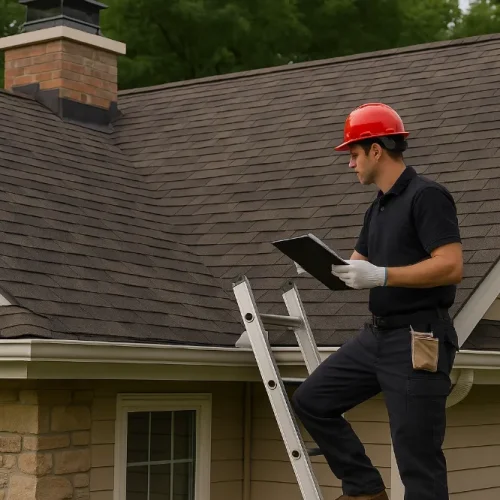
A lifted shingle or damaged flashing is all it takes for water to slip under the roofing system. It spreads horizontally, soaking decking and insulation before homeowners notice anything wrong.
Early repair: inexpensive.
Late repair: thousands or a full replacement.
Caulking and Sealant Failures: The $6 Protector You Shouldn’t Ignore
When caulk cracks or shrinks, pin-sized gaps can let moisture into frames and wall cavities. Most window-related water damage starts with failed caulking—one of the cheapest fixes in home maintenance.
Driveway Cracks: The Beginning of Drainage Problems You Didn’t Expect
Small cracks in concrete allow water to erode the base layer beneath the slab. This leads to sinking or unevenness, which then redirects water toward the house, increasing foundation stress.
HVAC Issues That Morph Into Moisture Problems
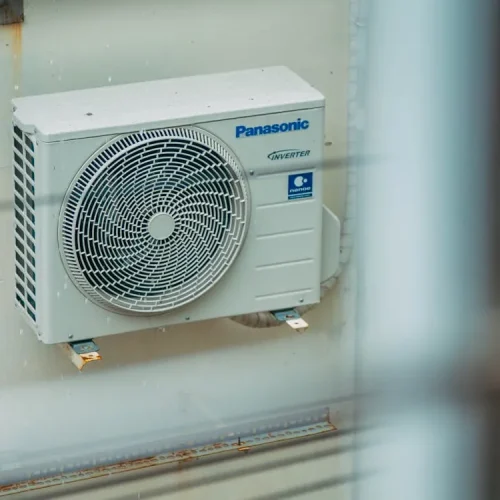
HVAC issues often go unnoticed until secondary symptoms appear. Condensate line backups, uninsulated refrigerant lines, and minor leaks all result in moisture accumulation that damages framing and insulation.
Why Fixing Small Problems Quickly Changes Everything
Homes rarely fail in a day—they fail gradually. Small problems merge, multiply, and worsen. Fixing early saves money, stability, and stress.
Benefits of addressing small repairs immediately:
- Protects structural integrity
- Prevents moisture intrusion
- Maintains home value
- Improves energy efficiency
- Stops pest problems before they begin
A Simple Routine for Staying Ahead of Future Repairs
| Season | What to Inspect | Why It Matters |
| Spring | Siding, caulk, gutters | Winter moisture damage appears now |
| Summer | Roof, trim, HVAC lines | Heat reveals expansion-related failures |
| Fall | Gutters, roof edges, concrete | Prepares the home for rain and cold |
| Winter | Attic moisture, drafts | Prevents hidden mold and heat loss |
This 4-times-per-year walk-around can prevent almost all major exterior failures.
Final Thoughts: The Small Repairs Are the Cheapest Repairs You’ll Ever Make
Your house always whispers before it screams. The whispers show up as hairline cracks, sticking doors, peeling caulk, or clogged gutters. Catching them early is not just smart maintenance—it’s a financial strategy.
A few minutes today can save thousands tomorrow.
FAQs
Because minor issues often allow moisture, pests, or structural stress to spread, turning a simple fix into major damage over time.
Cracked siding, loose trim, missing caulk, clogged gutters, and early foundation cracks should be addressed immediately.
Yes. Small cracks widen with soil movement, moisture pressure, and seasonal expansion, eventually requiring costly structural repairs.
Small gaps allow water infiltration, which causes rot, mold, wood swelling, and deterioration of the building envelope.
Absolutely. They cause overflow that saturates siding, trim, and soil, increasing rot, erosion, and foundation settling.
Loose trim creates entry points for moisture and pests, leading to rot, infestations, and expensive exterior repairs.
A lifted shingle or damaged flashing lets water slip under the roof system, causing attic mold, insulation damage, and leaks.
A brief seasonal inspection about four times a year is enough to find early problems before they worsen.
Sticking doors, hairline cracks, uneven floors, and gaps around windows often indicate early structural movement.
Yes. Professionals can address issues accurately the first time, preventing mistakes and future costly damage.