This post contains affiliate links. As an Amazon Associate, I earn from qualifying purchases, at no extra cost to you. See our disclosure policy.
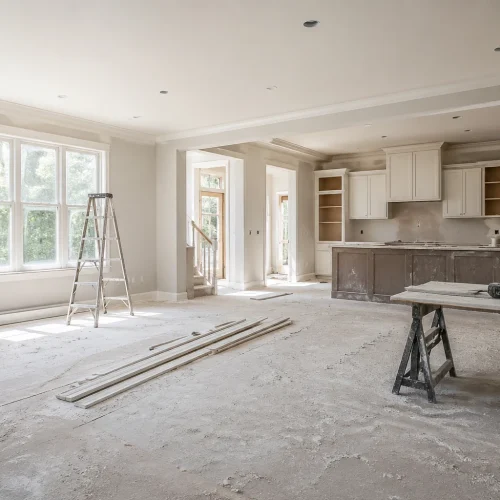
In today’s fast-paced business world, companies must continuously adapt to remain competitive. While investing in new technology and improving internal processes are common strategies, the physical workspace is often overlooked. Yet, the condition and design of an office can significantly influence how employees think, work, and collaborate. This is why many businesses consider office renovations a strategic investment rather than a cosmetic upgrade.
A Modern Layout Enhances Workflow
The layout of an office plays a central role in daily productivity. Older spaces with inflexible cubicles or cramped areas can hinder communication and collaboration. Renovations offer the opportunity to create layouts that reflect modern work habits. Open-plan designs, for example, encourage teamwork and creativity, while dedicated quiet rooms support deep focus and concentration.
Companies seeking flexible new environments often explore a Sliema office to let, as modern commercial buildings in the area typically provide adaptable layouts suited to hybrid and collaborative work models. Renovations enable businesses to replicate these advantages within their own premises or upgrade to a space that already offers them.
Lighting and Acoustics Shape Employee Focus
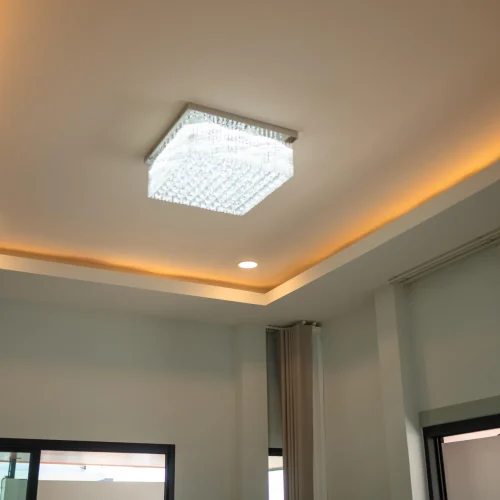
Lighting conditions strongly influence how employees feel and perform. Harsh or dim lighting can contribute to fatigue, headaches, and reduced productivity. Renovating with natural light in mind – such as by adding larger windows, skylights, or adjustable LED fixtures – creates a more comfortable and energizing workspace.
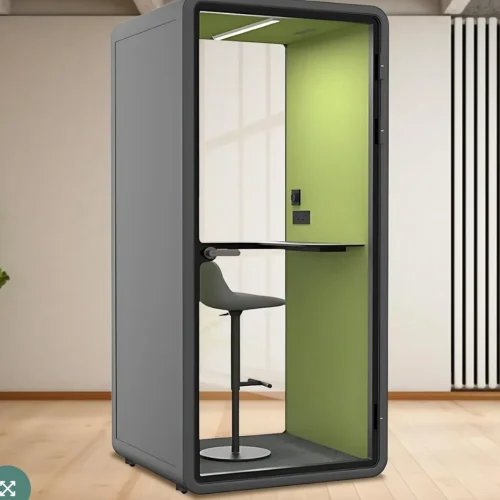
Acoustics are equally important. Excessive noise, especially in open offices, can disrupt concentration. Adding acoustic panels, insulation, or designated quiet zones helps maintain a balance between collaboration and focused work. Renovations that address both lighting and acoustics often see measurable improvements in employee comfort and engagement.
Ergonomics Reduce Fatigue and Increase Productivity
Office renovations also provide the ideal opportunity to upgrade furniture, layout, and equipment. Ergonomic chairs, adjustable desks, and properly spaced workstations help reduce strain and discomfort. When employees feel physically supported, they can work more efficiently and with fewer interruptions.
Additional improvements – such as efficient storage solutions, better cable management, and streamlined traffic flow – create a cleaner and more organized workspace. This contributes to a more productive atmosphere and reduces wasted time spent navigating cluttered or inefficient layouts.
Modern Technology Integration Enhances Operations
Renovations often involve updating the technological infrastructure of an office. High-speed connectivity, improved conference rooms, smart booking systems, and integrated digital tools can dramatically enhance how teams communicate and coordinate. For companies operating with hybrid work models, seamless tech integration ensures that both in-office and remote staff remain connected.
These upgrades also reduce downtime caused by outdated equipment or unreliable meeting setups, ultimately contributing to more efficient day-to-day operations.
A Refreshed Environment Boosts Morale
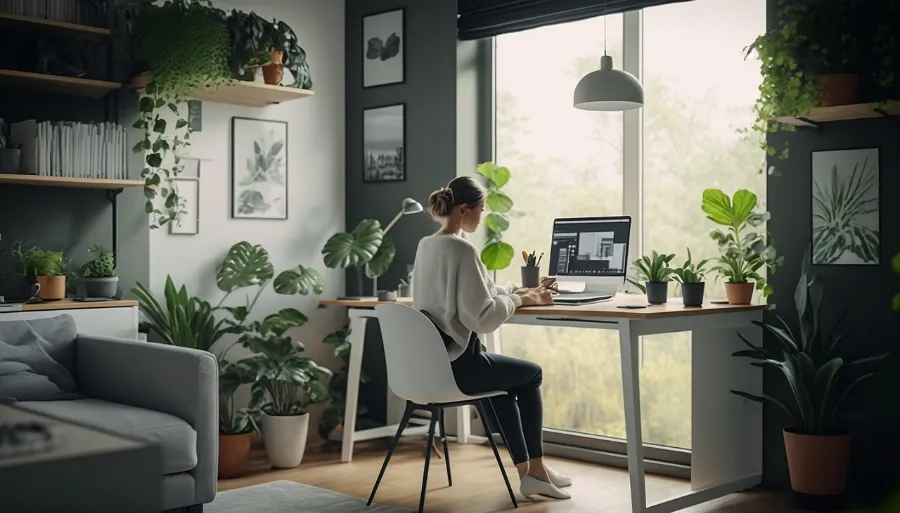
Employees spend a large portion of their lives in the workplace, and the condition of their environment influences their mindset. A renovated office with fresh colors, natural elements, comfortable breakout areas, and updated décor creates an inviting atmosphere that boosts morale. Happier employees tend to be more motivated, collaborative, and productive.
Even small changes – like adding greenery, improving common areas, or updating flooring—can have a significant impact on how people feel about their work environment.
Optimizing Space Reduces Inefficiencies
Renovating also encourages companies to reassess how their space is used. Some discover underutilized areas that can be repurposed, while others find opportunities to reorganize in ways that support smoother operations. Efficient use of space not only improves workflow but can also reduce operational costs over time.
Summary
Office renovations can significantly enhance workplace efficiency by improving layout, lighting, acoustics, ergonomics, and overall comfort. A well-designed environment helps employees stay focused, collaborate more easily, and feel more motivated throughout the day. Upgrading the workspace also creates opportunities to integrate better technology and make smarter use of available space. For companies that want the benefits of a modern office without undergoing a renovation, renting a serviced office offers an immediate, hassle-free alternative. You can read more in “Why serviced offices are the best choice for start-ups”.
FAQs
Renovations modernize the workspace, making it more comfortable, functional, and aligned with how employees work today.
A smart layout improves movement, communication, and collaboration, helping employees work more efficiently.
Proper lighting boosts focus, reduces eye strain, and creates a more energizing environment.
Good acoustics minimize distractions, especially in open-plan offices, helping employees stay focused.
Ergonomic furniture reduces physical discomfort and fatigue, allowing employees to work longer and more comfortably.
Yes—modern tech reduces downtime, improves communication, and supports hybrid work models.
A refreshed, visually appealing environment boosts motivation and overall job satisfaction.
Renovations highlight underused areas and create opportunities for better space allocation and workflow organization.
Absolutely—simple updates like greenery, new lighting, or better storage can meaningfully enhance the workspace.
Renting a serviced or modern flexible office provides the benefits of an upgraded space without long-term renovation work.