Wallpaper can transform a room in ways paint never will, yet many homeowners walk into the process with assumptions that slow things down, inflate costs or complicate the installation. Professionals see the same misunderstandings over and over again. Knowing a few insider truths can save you time, money and frustration and help you get the most from any wallpaper services you choose. Here’s what installers wish every homeowner understood before scheduling a project.
Why Hiring a Wallpaper Installer Isn’t as Simple as It Seems
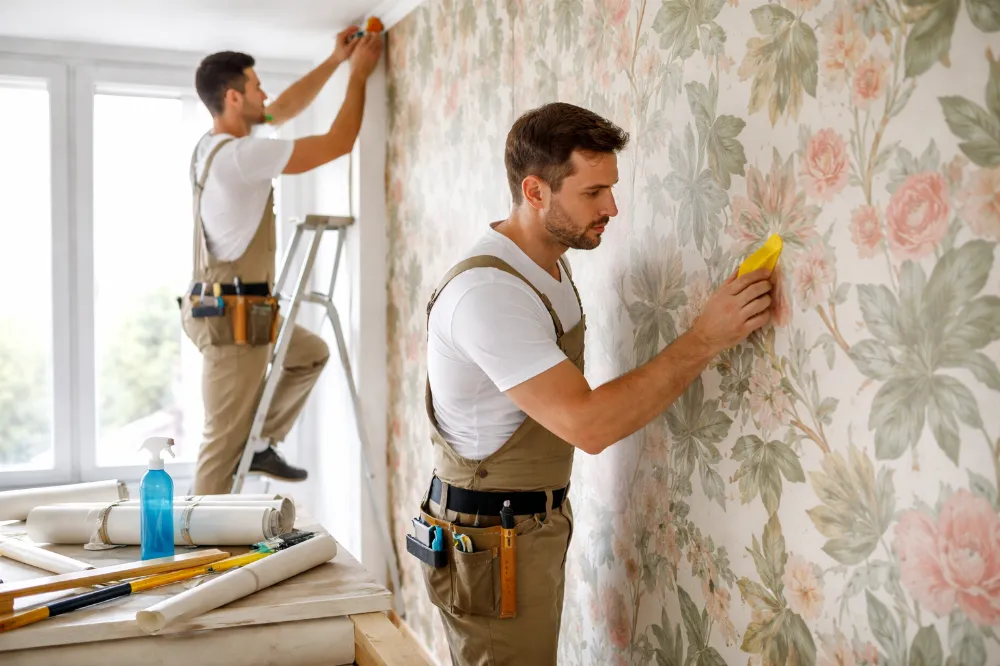
At first glance, hiring a wallpaper installer feels straightforward: choose a date, hand over the wallpaper and wait for the transformation. But professional wallpapering involves far more planning than most people expect. Installers must understand the wall condition, room layout, pattern type and material before committing to a job. A space that seems “easy” to a homeowner might actually involve uneven corners, unpredictable lighting or previous wallpaper removal that affects the entire process.
That’s why most installers ask detailed questions up front. They’re not being difficult they’re preventing problems you can’t see yet. Proper preparation makes the difference between flawless results and a project full of preventable frustrations.
The Most Common Misunderstandings Homeowners Have About Wallpapering
Before diving into the seven key things installers want you to know, it’s helpful to understand where most confusion begins. These misunderstandings shape expectations and often surprise first-time clients.
- “Wallpaper hides everything.” In reality, wallpaper highlights imperfections if the wall isn’t properly prepared.
- “All wallpapers install the same way.” Vinyl, grasscloth, non-woven, peel-and-stick and murals each require different techniques.
- “It’s a quick job.” High-quality installation takes time, especially for patterned designs that require perfect alignment.
These misconceptions lead to unrealistic timelines and unexpected costs. When homeowners understand the nuances involved, communication becomes easier and results become more predictable. It also helps them appreciate how much precision goes into every installation, even when the final result looks effortless. Wallpapering is a craft and like any craft, it looks simple only when performed by someone who has mastered it.
7 Things Professionals Want You to Know Before You Schedule
Here are the insights wallpaper installers wish every homeowner knew before booking a project. Each one comes from years of experience and thousands of installations.
- Wall prep is everything. Uneven texture, gloss paint, dust and old adhesive all affect the final look.
- Measurements must be exact. Even a one-inch error can cause you to run out of material.
- Patterns require extra wallpaper. Large repeats and complex designs need more rolls than you expect.
- Not all rooms are beginner-friendly. Stairwells, bathrooms and angled ceilings require advanced skills.
- Cheap wallpaper creates expensive problems. Low-quality material tears easily, stretches and doesn’t align well.
- Installation takes time. Perfect seams, straight lines and clean trimming can’t be rushed.
- Communication matters. Clear details, photos and expectations make every project smoother.
These insights aren’t meant to overwhelm homeowners but to set realistic expectations. When you understand what goes into a professional install, you can plan more effectively and avoid common pitfalls. The result? Cleaner seams, better pattern alignment and a final look that lasts for years not months. Installers aren’t simply hanging wallpaper; they’re problem-solvers, planners and detail-oriented craftsmen.
By approaching your project with these seven points in mind, you make the installer’s job easier and ensure your own satisfaction. Collaboration, clarity and preparation are the hidden ingredients behind every flawless wallpapered room.
How to Prepare Your Home for a Smooth Installation
Most homeowners don’t realize how much their preparation impacts the final outcome. A well-prepped room allows installers to work efficiently and reduces the chance of delays. It also helps prevent damage to furniture and flooring. Small steps taken before installation day can make a big difference.
- Clear the walls and move furniture away from the workspace.
- Ensure outlets and switch plates are accessible.
- Provide good lighting so installers can see alignment clearly.
Even minor details like making sure pets are secured or removing fragile items from nearby shelves contribute to a smoother experience. Installers work best in controlled, uncluttered environments where they can focus on precision rather than maneuvering around obstacles. Think of it as setting the stage for craftsmanship. When the room is ready, the installation feels like a streamlined process rather than a hectic one.
What to Ask (and What to Avoid) When Choosing the Right Installer
Finding the right installer isn’t just about price. Ask about experience with your specific wallpaper type, timelines, prep requirements and guarantees. A good professional will answer clearly and set accurate expectations. Avoid vague quotes or anyone who downplays the importance of proper prep those shortcuts will cost you later.
Choosing the right installer means choosing long-term results. The right professional won’t just apply your wallpaper; they’ll ensure the installation enhances your home and withstands daily wear. When conversations are open and expectations aligned, the outcome is always stronger and far more beautiful.
FAQs
Yes. Wallpaper amplifies imperfections, so proper wall prep is critical for a clean, professional finish.
Not always. Some peel-and-stick materials are harder to reposition and less forgiving than traditional wallpaper.
Installers usually recommend extra rolls to account for pattern repeats, trimming, and potential mistakes.
In most cases, no. Old wallpaper and heavy texture should be removed or skim-coated for best results.
It depends on room size, wall condition, and pattern complexity, but quality installations are rarely rushed.
Yes, but only with the right material and proper ventilation to prevent peeling or moisture damage.
Photos help assess wall condition, obstacles, and layout so pricing and timelines are accurate.
Often, yes. Low-quality wallpaper can tear, stretch, or misalign, increasing labor time and cost.
Ideally, yes. Clear space allows installers to work efficiently and reduces the risk of damage.
Underestimating prep and complexity, which leads to unrealistic expectations on cost and timing.