As temperatures drop, your home’s plumbing system becomes more vulnerable to damage. Frozen pipes, hidden leaks, and water heater failures are some of the most common—and costly—issues homeowners face during winter. Taking a few preventative steps before cold weather arrives can help protect your home and avoid emergency repairs. Here are seven essential plumbing maintenance tasks every homeowner should complete before winter sets in.
1. Insulate Exposed Pipes
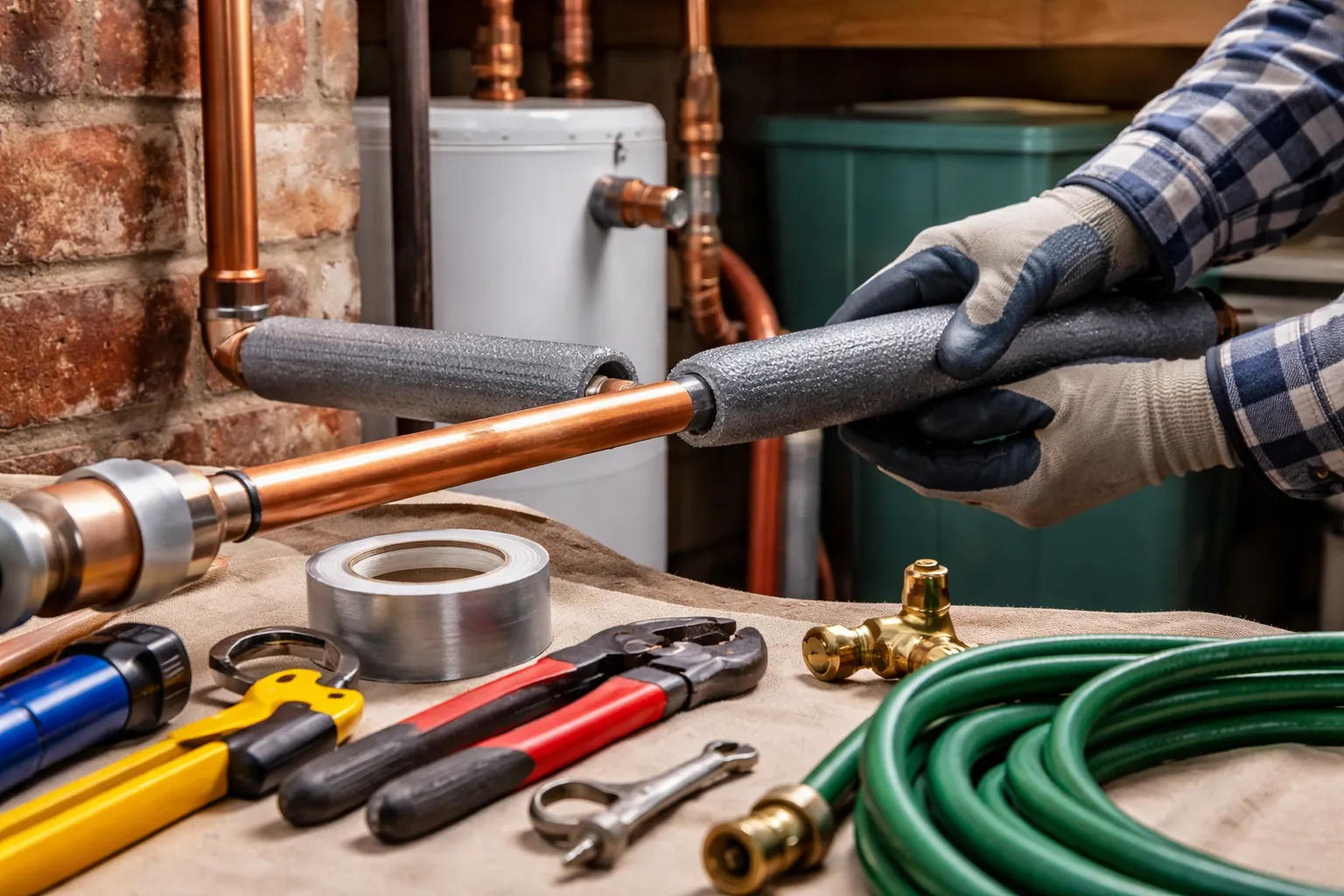
Pipes located in basements, crawl spaces, garages, and exterior walls are especially prone to freezing. Adding pipe insulation or foam sleeves helps maintain consistent temperatures and reduces the risk of burst pipes during extreme cold.
2. Disconnect and Drain Outdoor Hoses
Leaving garden hoses connected during winter can cause water to freeze and expand inside your pipes. Disconnect hoses, drain them completely, and shut off exterior water valves if possible to prevent damage to outdoor plumbing lines.
3. Check for Leaks and Drips
Even small leaks can worsen during freezing temperatures. Inspect faucets, under-sink pipes, and exposed plumbing for drips or corrosion. Addressing minor issues now can prevent major water damage later.
4. Flush and Test Your Water Heater
Cold weather increases demand on your water heater. Flushing the tank removes sediment buildup, improves efficiency, and extends the unit’s lifespan. It’s also a good idea to check the temperature setting and ensure the pressure relief valve is functioning properly.
5. Clean Drains and Clear Slow Lines
Slow or clogged drains can become more problematic in winter when plumbing systems work harder. Clean drains using safe methods and avoid chemical cleaners that can damage pipes. Keeping drains clear helps prevent backups and pressure issues.
6. Test Your Sump Pump
If your home has a sump pump, make sure it’s working correctly before winter storms arrive. Pour water into the pit to confirm it activates and drains properly. A failing sump pump can lead to basement flooding during snow melts and heavy rains.
7. Schedule a Professional Plumbing Inspection
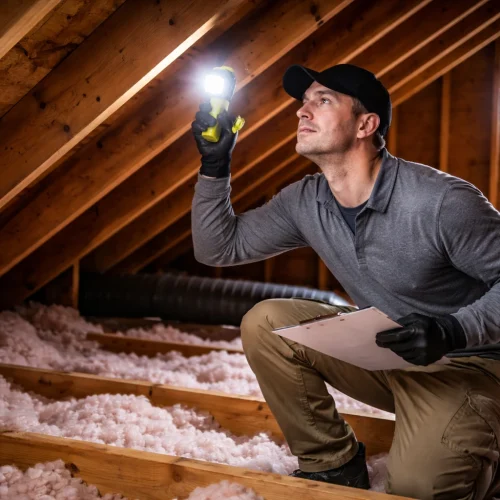
A professional inspection can uncover hidden vulnerabilities you might miss. Experienced plumbers can identify aging pipes, weak joints, or insulation gaps and address them before cold weather causes serious damage.
FAQs
Cold temperatures can cause water inside pipes to freeze and expand, increasing the risk of bursts, leaks, and system failures.
Pipes in unheated areas like basements, crawl spaces, garages, and exterior walls are the most vulnerable.
No—foam pipe insulation is affordable, widely available, and easy for most homeowners to install themselves.
Water can freeze inside the hose and pipes, leading to cracked fixtures or burst plumbing lines.
Freezing temperatures can worsen existing leaks, causing pipe expansion and unexpected water damage.
Flushing once a year is recommended to remove sediment and keep the unit running efficiently during colder months.
Frequent use can damage pipes, so mechanical or enzyme-based cleaning methods are safer alternatives.
Melting snow and heavy rain can overwhelm a faulty sump pump, leading to basement flooding.
Many tasks are DIY-friendly, but some issues are best identified and fixed by a licensed plumber.
Early fall is ideal, giving you time to fix any issues before freezing temperatures arrive.