Winter has a quiet way of exposing the weak spots in a home. Months of freezing temperatures, snow, and constant freeze–thaw cycles slowly take a toll. By the time spring arrives, the damage starts to show. You might notice cracked sidewalks, clogged gutters, roof issues, or even water stains in the attic. Spring is the perfect time for a reset. It’s when homeowners take a fresh look at their property. Small issues get fixed before they turn into bigger problems. A simple check now can save you from costly repairs later.
The good news is that spring maintenance doesn’t have to be complicated. You don’t need major tools or big renovations. It’s mostly about checking the areas that worked hardest during winter and giving them the attention they need. By handling a few key tasks early in the season, you can protect your home and keep everything running smoothly. Let’s go through seven essential maintenance tasks every homeowner should focus on this spring.
Clean and Inspect Gutters and Downspouts
After a long winter, gutters rarely remain clear. Leaves, small branches, and debris carried by melting snow often settle inside the channels, preventing water from flowing properly. When gutters clog, rainwater spills over the edges and can eventually seep into roofing materials or pool around the foundation. Start by removing any visible debris from the gutter system. Once the channels are clear, run water through them with a garden hose to confirm that everything drains smoothly. This simple step helps identify hidden blockages or slow drainage points.
Downspouts also deserve a quick inspection. Ideally, they should direct water several feet away from the house so it doesn’t accumulate near the foundation. If water pools close to the home, adding a simple extension can redirect the flow and reduce the risk of moisture damage. While gutter cleaning may not feel like an exciting weekend project, it remains one of the most effective ways to prevent water-related problems inside and outside the home.
Conduct a Roof and Chimney Inspection
The roof absorbs the full force of winter weather. Snow accumulation, ice dams, and wind-driven storms can loosen shingles and wear down flashing around chimneys, vents, and skylights. Spring is the ideal time to take a careful look at these areas. Missing shingles, curling edges, or exposed flashing can often be spotted from the ground with a pair of binoculars. Inside the attic, water stains, damp insulation, or discolored wood may indicate that moisture found its way through the roof during winter storms.
Catching these issues early makes repairs much simpler. A loose shingle or small flashing gap can often be corrected quickly, while ignoring it may eventually lead to leaks, drywall damage, or mold growth. A brief seasonal inspection provides reassurance that the roof is still performing the way it should.
Perform HVAC System Maintenance
As winter heating winds down and warmer temperatures approach, spring offers a convenient window to prepare the home’s HVAC system for the upcoming cooling season.
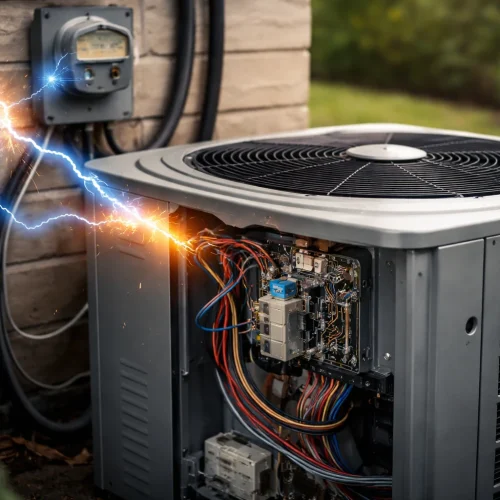
One of the easiest steps is replacing the air filter. A clean filter improves airflow, supports better indoor air quality, and allows the system to operate more efficiently. When filters become clogged, the system must work harder to maintain comfortable temperatures. Outdoor HVAC units also benefit from a quick inspection. Leaves, dirt, and debris often collect around the unit during winter months. Clearing this buildup ensures that air circulates properly and prevents unnecessary strain on the equipment. If you haven’t scheduled professional servicing recently, spring is also a practical time for a system checkup before summer demand increases.
Inspect Foundation and Paved Surfaces
Concrete and masonry surfaces face a particular challenge during winter. When water seeps into tiny cracks and then freezes, it expands and gradually widens those openings. Over time, this freeze thaw cycle can cause visible cracks in foundations, driveways, patios, and walkways. A slow walk around the home usually reveals the areas that need attention. Look for new cracks, uneven settling, or small gaps forming along the base of exterior walls.
Small cracks may not look serious, but they shouldn’t be ignored. If you notice cracks or minor surface damage, it’s best to get them inspected early. What seems small can sometimes point to deeper structural issues. You can reach out to local professionals for a proper assessment. Many contractors, like Urban Contractors NYC, offer free estimates and often don’t charge anything for the initial inspection. It’s a simple way to understand the problem and take action before it turns into a costly repair. Brickwork around the home, including exterior walls, should also be checked for surface flaking or fractures. Addressing these small issues now often prevents larger repair projects later.
Seal Gaps Around Windows and Doors
Doors and windows experience constant exposure to changing temperatures throughout the winter. As materials expand and contract, caulking and weatherstripping can weaken or pull away from their original position. Spring is a good time to inspect these areas for small gaps or drafts. Even minor openings allow conditioned air to escape, which can make cooling systems work harder once summer arrives.
Applying fresh caulking around window frames and replacing worn weatherstripping around doors helps maintain indoor comfort while improving energy efficiency. It’s a simple task that requires minimal materials but can have a noticeable effect on both comfort and utility costs. A home that feels properly sealed also maintains more consistent indoor temperatures during seasonal transitions.
Clean Dryer Vents and Inspect Major Appliances
This maintenance task often stays out of sight until something goes wrong. Over time, lint collects inside dryer vents beyond the lint trap itself. During winter months, when laundry loads tend to increase, this buildup can grow faster than expected. If lint accumulates inside the vent duct, airflow becomes restricted. This not only reduces dryer efficiency but can also create a potential fire hazard.
Disconnecting the vent hose and vacuuming the duct from both ends removes trapped lint and improves ventilation. While working in the laundry area, it’s also worth checking the hoses behind the washing machine and dryer for signs of wear, cracks, or small leaks. Regular inspection of these appliances helps prevent unexpected breakdowns and keeps them operating safely.
Inspect Wooden Decks and Patios
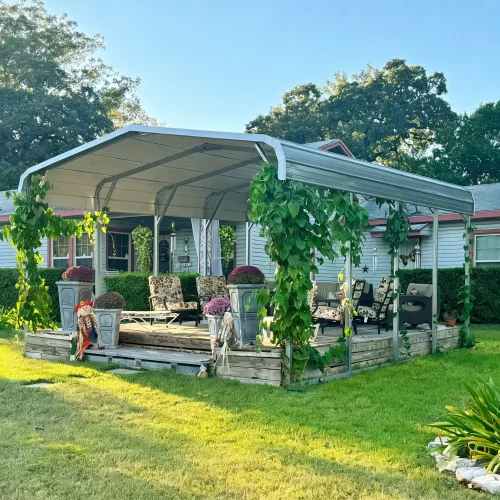
Outdoor living areas endure months of snow, ice, and moisture, which can gradually affect their structure and appearance. Wood decks may develop loose boards, rusted fasteners, or areas where moisture has begun to weaken the material. Walking across the deck and gently pressing on boards helps identify areas that feel unstable. Tightening screws or nails and replacing damaged boards keeps the structure secure.
Wood surfaces may also benefit from resealing if they appear faded or dry after winter exposure. A protective sealant helps guard against moisture while preserving the deck’s appearance. Wooden patios and walkways should also be examined for loose planks, splintering, or signs of rot. Addressing these issues early helps maintain both safety and appearance while preventing more extensive repairs later
Conclusion
Spring maintenance often feels like a fresh start for a home. After months of winter weather, small inspections and simple repairs can restore confidence that everything is functioning properly again. Cleaning gutters, checking the roof, sealing windows, and inspecting outdoor structures may seem like modest tasks individually. Together, however, they form a preventative routine that protects the home from long-term damage.
By addressing these areas early in the season, you can create a space that remains comfortable, efficient, and structurally sound throughout the warmer months ahead. Sometimes the most effective way to care for a home isn’t through major renovations but through small, thoughtful maintenance done at exactly the right time.
FAQs
Spring allows you to assess and fix damage caused by winter before it worsens or leads to costly repairs.
Gutters should be cleaned at least twice a year once in spring and again in fall.
Look for missing shingles, leaks, water stains in the attic, or visible sagging.
Poor airflow, unusual noises, or uneven temperatures are signs it may need attention.
Small cracks can grow over time, so it’s best to inspect and repair them early.
Sealing gaps around windows and doors helps reduce energy loss and lowers cooling costs.
It improves efficiency and reduces the risk of fire caused by lint buildup.
Check for loose boards, clean the surface, and apply sealant if needed.
For complex issues like roofing or foundation concerns, professional inspections are recommended.
Neglecting maintenance can lead to bigger repairs, higher costs, and potential safety risks.